This trend is not merely a fad but a reflection of deeper changes in how people approach their daily consumption habits. For importers, distributors, and F&B businesses, understanding this shift is crucial for staying competitive. One product that exemplifies this movement is the prebiotic soda in a 330ml short can, which combines nostalgic flavor with modern functional ingredients.
This article provides an in-depth analysis of the prebiotic soda market, consumer behavior driving demand, and practical strategies for businesses looking to enter or expand in this space. We will also explore how products like the orange cream flavor prebiotic soda fit into the broader landscape of carbonated beverages and what makes them a viable option for OEM and private label partnerships.
Key Takeaways
- Prebiotic soda is one of the fastest-growing segments in the carbonated beverage market, driven by consumer demand for better-for-you options.
- The 330ml short can format is ideal for single-serve consumption and retail placement, offering convenience and portability.
- Importers and distributors can benefit from sourcing functional carbonated beverages directly from Vietnam, where manufacturers offer competitive pricing and flexible OEM services.
- Understanding shelf life, packaging options, and certification requirements is essential for successful market entry.
- The orange cream flavor profile appeals to a wide demographic, making it a strong candidate for both retail and Horeca channels.
The Rise of Prebiotic Soda in the Beverage Market
The carbonated soft drink market has long been dominated by traditional sodas high in sugar and artificial ingredients. However, over the past five years, a new wave of beverages has emerged, positioning themselves as alternatives that align with modern wellness trends. Prebiotic soda is at the forefront of this movement, offering a unique combination of carbonation, flavor, and functional ingredients like fiber and prebiotics.
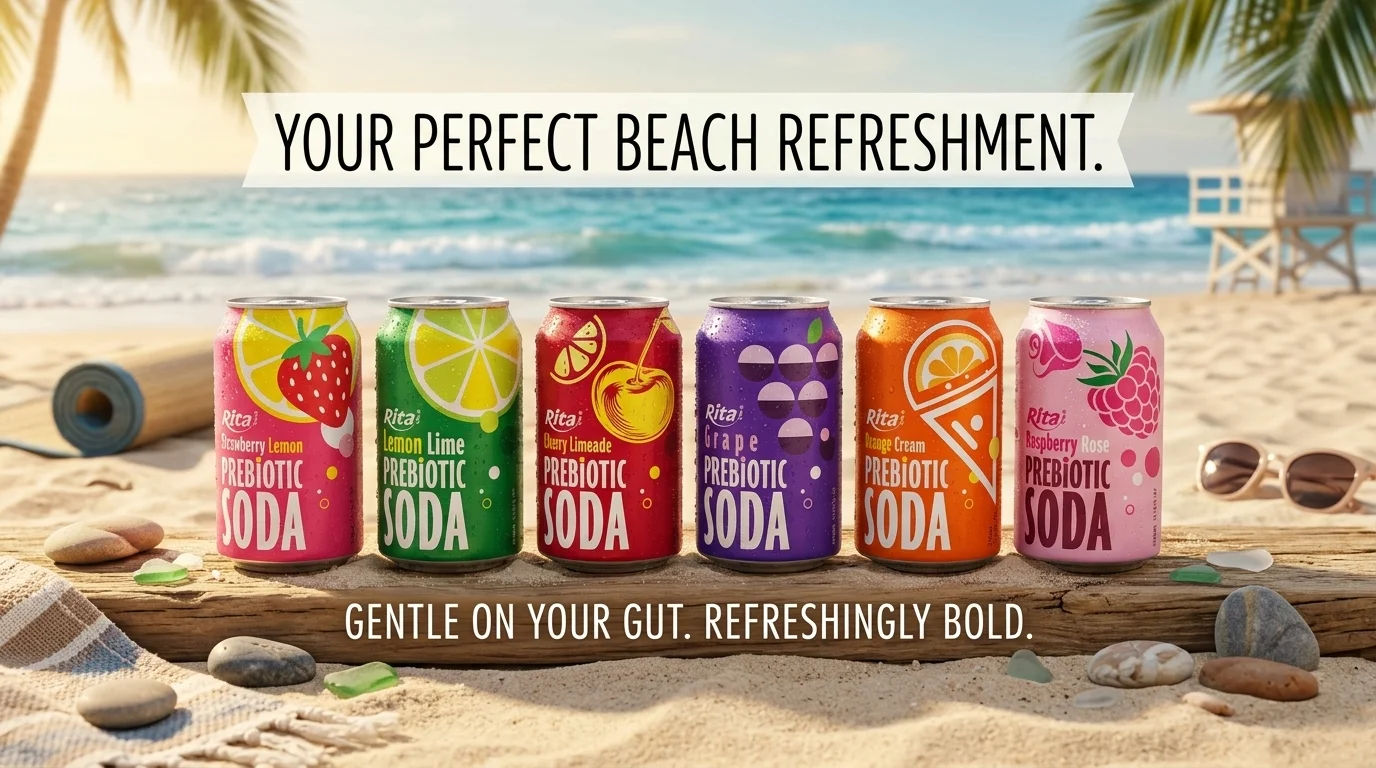
According to industry reports, the global prebiotic soda market is expected to grow at a compound annual growth rate (CAGR) of over 12% through 2030. This growth is fueled by increasing awareness of digestive health, the rise of low-sugar diets, and a general shift toward more transparent ingredient labels. For businesses, this represents a significant opportunity to capture market share in a category that is still relatively underserved compared to traditional sodas.
Consumer Behavior Driving Demand
Today's consumers are more informed and selective than ever before. They read labels, research ingredients, and seek products that fit their lifestyle without compromising on taste. This is particularly true for younger demographics such as Millennials and Gen Z, who are driving the demand for innovative beverages. They are willing to pay a premium for products that offer functional benefits, but they also expect great flavor and enjoyable sensory experiences.
The orange cream flavor profile is a prime example of this balance. It evokes nostalgia while offering a modern twist, making it appealing to a broad audience. For distributors and retailers, stocking products with familiar yet elevated flavors can reduce the risk of new product introductions and accelerate consumer adoption.
Why the 330ml Short Can Format Matters
Packaging plays a critical role in the success of any beverage product. The 330ml short can has become a popular choice for many brands due to its versatility and consumer appeal. This format is particularly well-suited for single-serve occasions, such as lunch breaks, on-the-go consumption, or as a refreshing drink at restaurants and cafes.
From a logistical perspective, aluminum cans offer several advantages. They are lightweight, stackable, and have a long shelf life—typically up to 24 months when stored properly. This makes them ideal for export and long-distance shipping. Additionally, aluminum is infinitely recyclable, aligning with growing consumer expectations around sustainability.
Shelf Life and Storage Considerations
One of the key factors importers and distributors evaluate is product shelf life. The prebiotic soda in a 330ml can typically offers a shelf life of 24 months, which is standard for carbonated beverages in aluminum packaging. This extended shelf life reduces the risk of inventory spoilage and allows for more flexible supply chain management. It is important to store the product in a cool, dry place away from direct sunlight to maintain its quality over time.
Packaging Options for Private Label and OEM
For businesses looking to launch their own brand of prebiotic soda, packaging customization is a key consideration. Manufacturers like RITA offer a range of packaging options, including aluminum cans in sizes from 200ml to 500ml, as well as PET and glass bottles. The 330ml can is particularly popular because it provides a standard serving size that fits most vending machines and retail shelves.
When sourcing soda in 330ml aluminum cans, importers can request custom designs, labeling, and even formulation adjustments. This flexibility allows brands to differentiate themselves in a crowded market while maintaining cost efficiency.
Market Opportunities for Importers and Distributors
Vietnam has emerged as a major hub for beverage manufacturing, offering competitive pricing and high-quality production standards. Companies like RITA, with over 20 production lines and a capacity of 1,200 containers per month, are well-positioned to serve global demand. For importers and distributors, sourcing prebiotic soda from Vietnam can provide a cost advantage without compromising on quality.
The minimum order quantity (MOQ) for such products is typically around 200 cartons per order, which is manageable for mid-sized distributors. Payment terms are usually L/C or T/T, and delivery time is approximately 20–25 days after order confirmation. With supply ability reaching 600 twenty-foot containers per month, even large-scale orders can be fulfilled efficiently.
Certifications and Quality Assurance
When entering new markets, compliance with local regulations is non-negotiable. Reputable manufacturers hold certifications such as ISO, HACCP, FDA, HALAL, and USDA Organic, among others. These certifications ensure that the product meets international food safety and quality standards. For importers, working with a certified supplier reduces the risk of regulatory hurdles and builds trust with end consumers.
Retail and Distribution Strategies for Prebiotic Soda
Successfully bringing a prebiotic soda to market requires a well-planned retail and distribution strategy. The product's positioning should emphasize its unique attributes—such as being a carbonated beverage with prebiotic fiber—while avoiding any health claims that could trigger regulatory scrutiny. Instead, focus on the product's flavor profile, convenience, and alignment with modern consumer preferences.
Horeca Applications
The Horeca (Hotel, Restaurant, Cafe) sector presents a significant opportunity for prebiotic soda. Many establishments are looking to diversify their beverage menus with options that appeal to health-conscious patrons. The 330ml can is ideal for single-serve service, and the orange cream flavor pairs well with a variety of cuisines, from casual dining to upscale restaurants.
For distributors, building relationships with Horeca buyers can lead to repeat orders and brand loyalty. Offering product samples and customized packaging for specific chains can also help secure long-term contracts.
E-commerce and Direct-to-Consumer Channels
Online retail has become a vital channel for beverage sales, especially for niche products like prebiotic soda. Brands can leverage e-commerce platforms to reach consumers directly, bypassing traditional retail intermediaries. The lightweight nature of aluminum cans makes shipping cost-effective, and the long shelf life ensures that products remain fresh during transit.
For businesses exploring this channel, investing in strong product photography, detailed descriptions, and customer reviews can drive conversions. Additionally, subscription models or bundle offers can encourage repeat purchases and build a loyal customer base.
Export Opportunities and Global Market Trends
The demand for prebiotic soda is not limited to any single region. North America remains the largest market, but Europe and Asia-Pacific are experiencing rapid growth. In markets like Japan and South Korea, functional beverages have long been popular, and prebiotic soda is a natural extension of this trend. Similarly, in the Middle East and Africa, rising disposable incomes and a growing interest in wellness are creating new opportunities for imported beverages.
Vietnam's strategic location in Southeast Asia, coupled with its strong manufacturing base, makes it an ideal sourcing destination for exporters. Ports like Cat Lai Port in Ho Chi Minh City provide efficient logistics for shipping to global markets. With a delivery time of just 20–25 days, businesses can maintain lean inventory levels and respond quickly to market changes.
Challenges and Considerations
While the opportunities are substantial, there are also challenges to consider. Regulatory requirements vary by country, and importers must ensure that their products comply with local labeling and ingredient standards. For example, in the European Union, prebiotic claims are regulated, and products must meet specific criteria to use such terminology. Working with experienced suppliers who understand these nuances can help mitigate risks.
Another consideration is competition. As the prebiotic soda category grows, more brands are entering the space. Differentiation through flavor innovation, packaging design, and brand storytelling will be key to standing out. The orange cream flavor, with its unique taste profile, offers a distinctive option that can capture consumer attention.
Conclusion
The prebiotic soda market is poised for continued growth, driven by evolving consumer preferences and a global shift toward more mindful consumption. For importers, distributors, and F&B businesses, this category presents a compelling opportunity to diversify their product portfolios and capture new revenue streams. Products like the orange cream flavor prebiotic soda in a 330ml short can exemplify the intersection of taste, convenience, and modern functionality.
By partnering with reliable manufacturers in Vietnam, businesses can access cost-effective production, flexible OEM services, and high-quality certifications. Whether targeting retail, Horeca, or e-commerce channels, a well-executed strategy can position brands for long-term success in this dynamic market.
For more beverage options, explore our milk series product catalog and chia and basil seed beverages for additional private label opportunities.
Frequently Asked Questions
1. What is the shelf life of prebiotic soda in a 330ml can and how should it be stored?
The typical shelf life of this prebiotic soda is 24 months from the production date when stored in a cool, dry place away from direct sunlight. Proper storage ensures the product maintains its flavor and carbonation quality.
2. Can the orange cream flavor prebiotic soda be customized for private label or OEM orders?
Yes, this product is available for OEM and ODM partnerships. Importers can customize the formulation, packaging design, and branding to suit their target market. The manufacturer offers free sample and free design services to support customization.
3. What is the minimum order quantity for importing this prebiotic soda?
The minimum order quantity is 200 cartons per order. This makes it accessible for mid-sized distributors while still allowing for cost-effective production. MOQ flexibility may be available for larger or repeat orders.
4. What certifications does the manufacturer hold for this product?
The manufacturer holds multiple international certifications including ISO, HACCP, FDA, HALAL, USDA Organic, and others. These certifications ensure compliance with global food safety and quality standards.
5. How long does delivery take and what are the payment terms?
Delivery time is 20–25 days after order confirmation. Payment terms are typically L/C or T/T. The product is shipped from Cat Lai Port in Ho Chi Minh City, Vietnam.