The global beverage landscape is undergoing a significant transformation. As consumers increasingly seek refreshment without compromise, the demand for clean, crisp, and versatile drinks has never been higher. In this context, sparkling soda water import market trends are emerging as a critical area of opportunity for distributors and wholesalers worldwide.
For importers looking to diversify their portfolios in 2026, understanding the nuances of sourcing, quality standards, and consumer preferences is essential. This article provides a comprehensive guide for businesses evaluating the potential of sparkling soda water import market trends, with a specific focus on sourcing from Vietnam, a rapidly growing hub for beverage manufacturing.
Key Takeaways
- The global shift towards non-alcoholic and functional refreshment is driving strong demand for premium sparkling soda water.
- Vietnam has emerged as a competitive sourcing destination for sparkling soda water import market trends, offering high quality and flexible OEM solutions.
- Importers should prioritize suppliers with certifications like ISO, HACCP, and FDA to ensure compliance in key markets like the USA and Europe.
- Packaging innovation, particularly in aluminum cans, is a key differentiator for brands targeting modern, health-conscious consumers.
- Understanding regional flavor preferences and regulatory requirements is crucial for successful market entry in 2026.
The Evolving Global Demand for Carbonated Refreshment
The beverage industry is not fragmenting; it is sharpening. According to recent reports, the global non-alcoholic beverage market is projected to reach significant milestones by 2035, driven by increased digital engagement and eco-friendly initiatives. This growth is particularly pronounced in the carbonated soft drink segment, where consumer trends are reshaping product offerings.
In 2026, the carbonated soft drink market analysis highlights a clear shift towards functionality and flavor innovation. Consumers are no longer satisfied with generic sodas; they demand drinks that offer a clean label, natural ingredients, and a refreshing experience without excessive sugar or artificial additives. This is precisely where sparkling soda water fits perfectly.
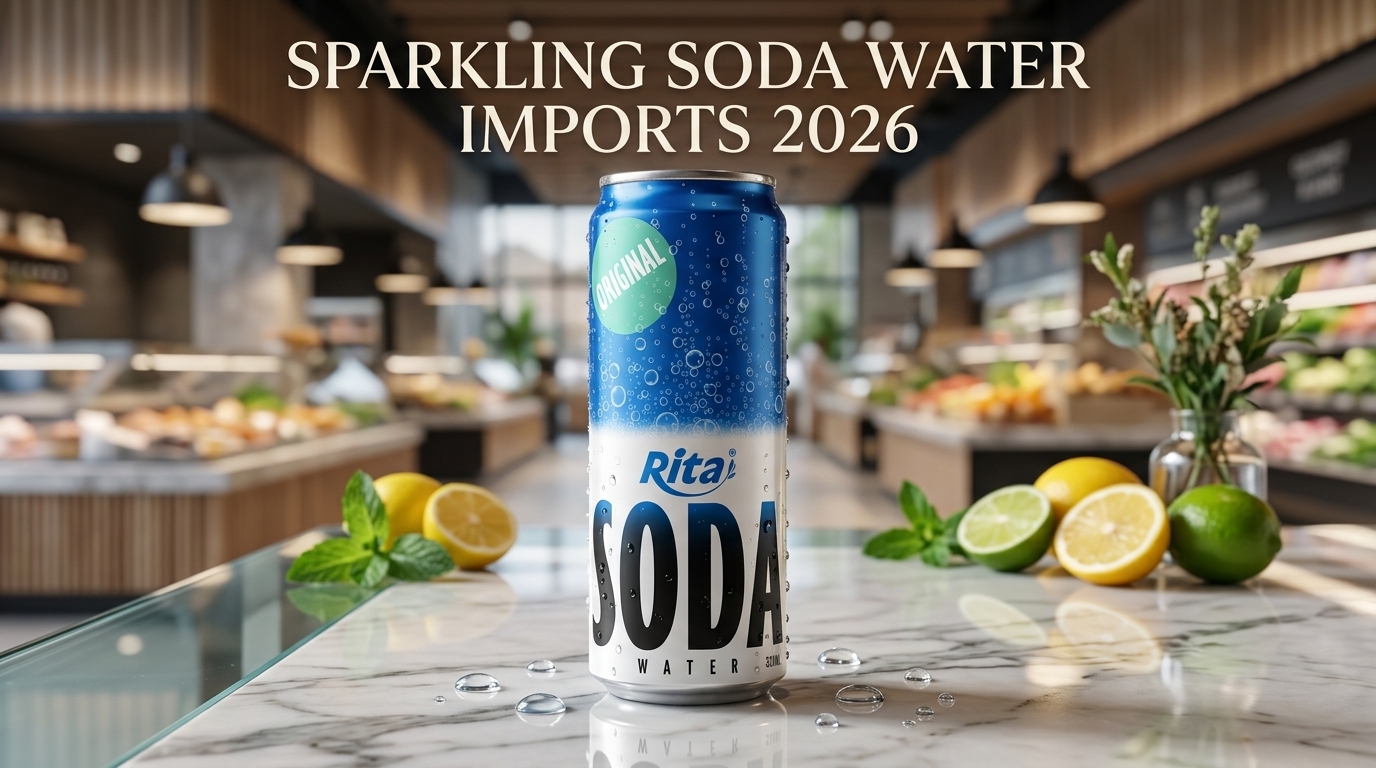
For importers, this represents a lucrative opportunity. The rise of sober curiosity and the 'no-lo' movement has created a new category of sophisticated, adult-oriented refreshments. Sparkling soda water, with its crisp profile and versatility as a mixer or standalone drink, is well-positioned to capture this growing market share. Products like Rita Sparkling Soda Water Drink 320ml Can exemplify this trend, offering a clean, original flavor in a convenient, modern package.
Why Vietnam Is Becoming a Key Sourcing Hub
Vietnam has rapidly evolved from a manufacturing base for textiles and electronics to a powerhouse in food and beverage production. The country's strategic location, competitive labor costs, and improving infrastructure make it an attractive destination for international buyers. For those exploring carbonated soft drink market analysis, Vietnam offers distinct advantages.
Vietnamese manufacturers, such as RITA Food & Drink Co., Ltd., have invested heavily in modern production lines and stringent quality control systems. With a supply ability of up to 600 twenty-foot containers per month for a single product line, they can easily meet the demands of large-scale importers. This capacity, combined with flexible MOQs, allows both established brands and new entrants to test and scale their products efficiently.
Furthermore, the presence of international certifications like ISO, HACCP, FDA, and HALAL ensures that products meet the rigorous standards of markets like the USA, Europe, and the Middle East. This compliance reduces the risk for importers and streamlines the customs clearance process. The ability to offer OEM and private label solutions is another significant advantage, allowing buyers to create unique brand identities without the overhead of owning a factory.
Understanding Packaging and Product Specifications
Packaging plays a pivotal role in the success of a beverage product. In the sparkling water category, the choice of container can influence shelf appeal, product shelf life, and consumer perception. The 320ml aluminum can is a popular format for several reasons.
Aluminum cans are lightweight, infinitely recyclable, and provide excellent protection against light and oxygen, preserving the product's carbonation and freshness for up to 24 months. This is a critical factor for importers managing long supply chains. The sleek, modern design of a can like the Rita Sparkling Soda Water Drink 320ml Can communicates a premium, refreshing experience.
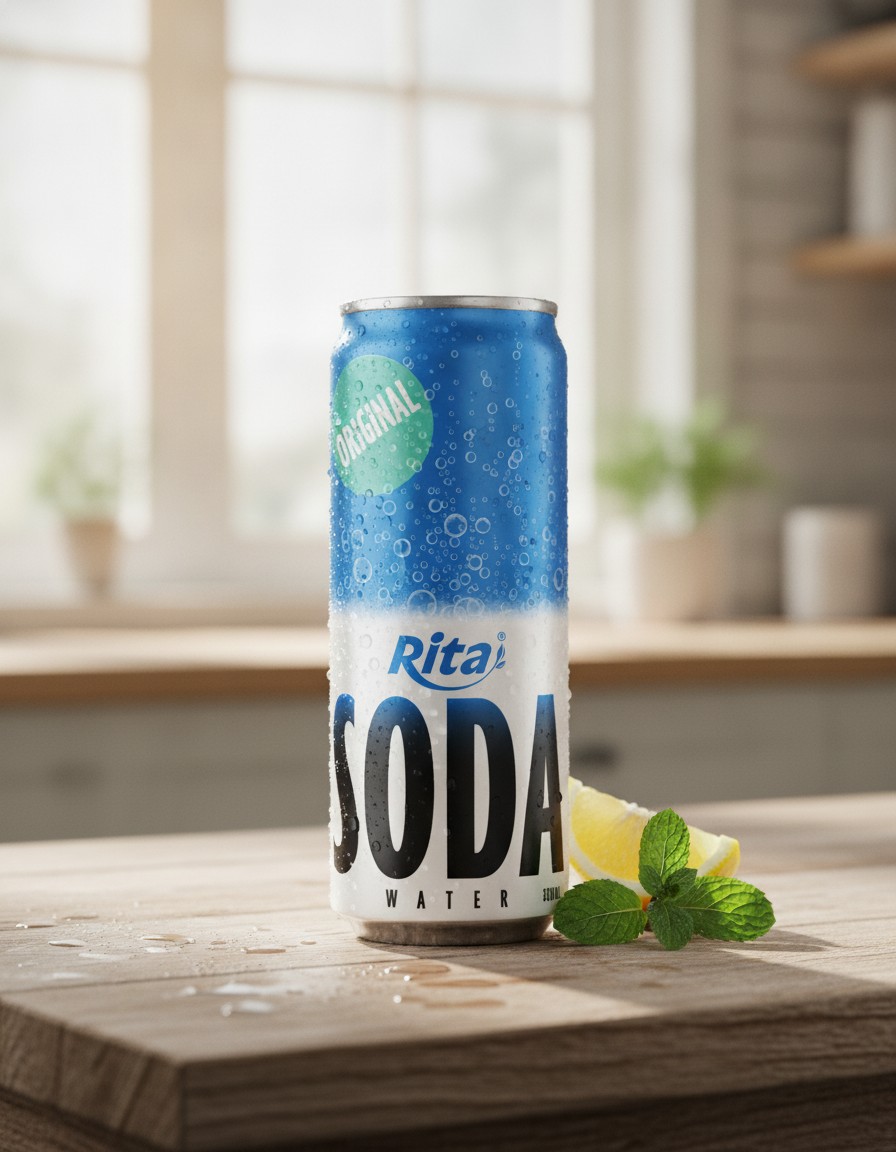
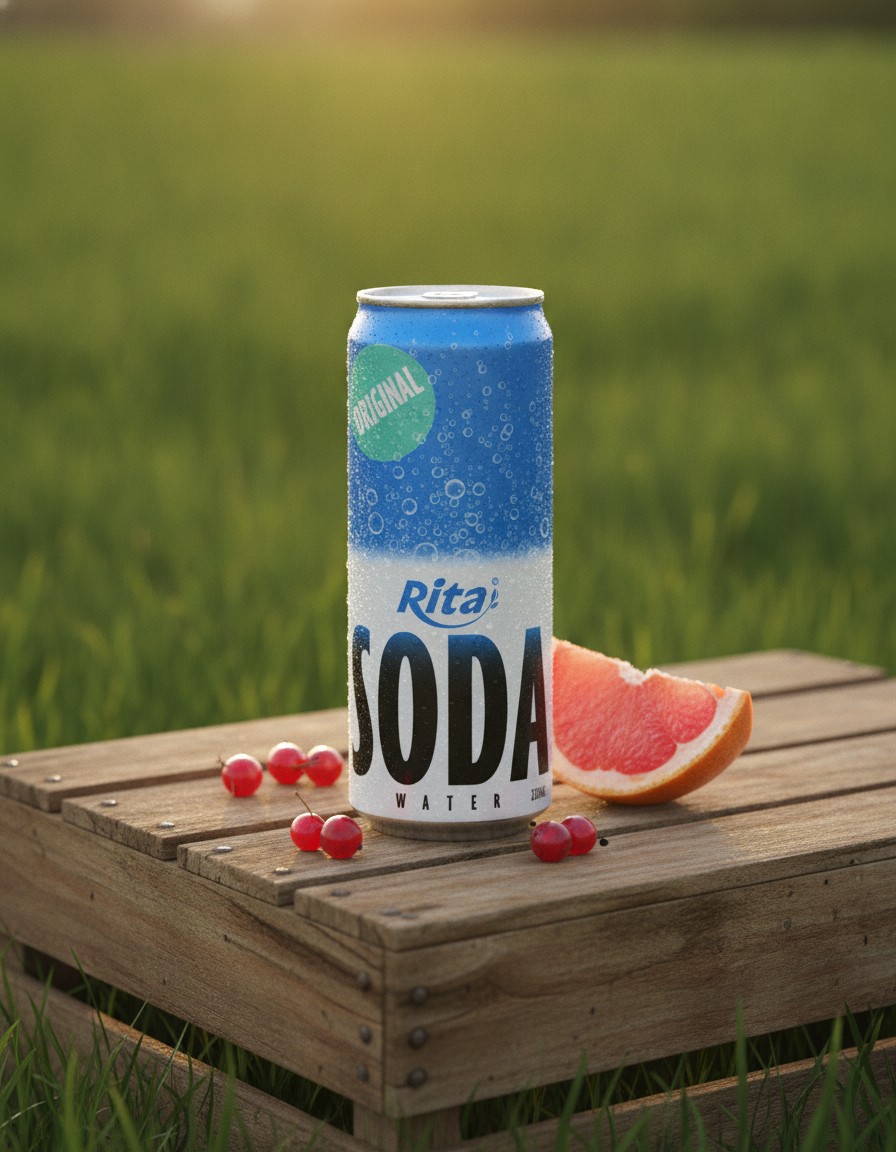
From a visual analysis of the product, the can features a vibrant blue and white design with prominent bubbles, emphasizing the drink's fizziness. The 'ORIGINAL' label clearly indicates a classic, unflavored variant, which is a strong selling point for consumers seeking a pure, versatile mixer. The FOB price is typically negotiable, and delivery times of 20-25 days after order are standard for established Vietnamese suppliers.
Key Markets and Consumer Trends for 2026
When considering carbonated soft drink market analysis, it is essential to examine specific regional trends. The USA and Europe remain the largest markets for premium sparkling water, driven by health and wellness trends. However, emerging markets in the Middle East and Asia-Pacific are showing robust growth.
In the USA, the demand for functional and low-sugar beverages continues to rise. Consumers are using sparkling water as a healthier alternative to soda, often mixing it with fresh fruit or using it as a base for cocktails. The trend towards 'sober socializing' has also boosted the category, with non-alcoholic drinkers seeking sophisticated options. For importers, targeting retail chains, specialty grocery stores, and the foodservice sector (bars, restaurants, hotels) can yield significant returns.
In Europe, particularly in the UK and Germany, the market for flavored and unflavored sparkling water is mature but still offers opportunities for premium and private-label products. Clean label and natural sourcing are key purchase drivers. The Middle East presents a unique opportunity due to the high consumption of non-alcoholic beverages and the demand for high-quality, halal-certified products.
Quality Assurance and Certification Requirements
For any importer, due diligence on quality assurance is non-negotiable. When sourcing sparkling soda water from Vietnam, verifying that the supplier holds relevant certifications is the first step. Certifications like ISO 22000 (Food Safety Management) and HACCP (Hazard Analysis Critical Control Point) are standard for reputable manufacturers.
For the US market, FDA registration is mandatory. For the European market, BRC (British Retail Consortium) or IFS (International Featured Standards) certification is often required by major retailers. Halal certification is essential for Middle Eastern markets. A supplier that holds multiple certifications demonstrates a commitment to quality and simplifies the import process for the buyer.
RITA, for example, holds a comprehensive suite of certifications including ISO, HACCP, FDA, HALAL, and more. This global compliance framework allows their products to be exported to over 200 countries and territories. For importers, partnering with such a supplier reduces risk and ensures that the product meets the highest international standards for food safety and quality.
Logistics and Supply Chain Considerations
Efficient logistics are the backbone of a successful import business. Vietnam's major ports, such as Cat Lai Port in Ho Chi Minh City, are well-connected to global shipping routes. Standard delivery times of 20-25 days after order confirmation are achievable for manufacturers with robust production planning.
Importers should also consider the minimum order quantity (MOQ). Flexible MOQs are a significant advantage for new market entrants. They allow for smaller pilot shipments to test the market before committing to large volumes. Established suppliers like RITA offer flexible MOQs, enabling buyers to manage inventory and cash flow more effectively.
Another logistical advantage is the ability to customize packaging. Whether it's private labeling, custom can designs, or specific pallet configurations, Vietnamese manufacturers are known for their flexibility. This adaptability is crucial for importers looking to differentiate their brand in a crowded marketplace.
Opportunities in OEM and Private Label
One of the most compelling reasons to source from Vietnam is the strength of its OEM (Original Equipment Manufacturer) and private label services. For many brands, owning a production facility is not a viable option. Instead, they partner with experienced manufacturers to bring their vision to life.
RITA offers comprehensive OEM/ODM solutions, from custom formulation (adjusting sweetness, carbonation levels, and flavor profiles) to packaging design and production. This allows importers to create a unique product that aligns perfectly with their target market's preferences. The company's R&D team works closely with clients to develop concepts that are both innovative and commercially viable.
This model is particularly beneficial for businesses looking to launch a premium private-label soda water brand. By leveraging the manufacturer's expertise and production capacity, the importer can focus on marketing, distribution, and brand building. The result is a faster time-to-market and a lower initial investment compared to building a factory from scratch.
Future Outlook and Strategic Recommendations
The future of the sparkling water market looks bright. As consumers continue to prioritize wellness and mindful consumption, the demand for clean, refreshing, and versatile beverages will only grow. The carbonated soft drink market analysis for 2026 and beyond points to sustained growth, driven by innovation in flavors, packaging, and functionality.
For importers, the key to success lies in choosing the right partner. A supplier with a proven track record, strong certifications, flexible production capabilities, and a deep understanding of global markets is invaluable. Vietnam, with its dynamic manufacturing sector and competitive advantages, is poised to be a leading source for this product category.
We recommend that importers conduct thorough due diligence, request samples, and visit factories if possible. Building a strong relationship with a reliable supplier like RITA can be the foundation for a long-term, profitable business. The opportunity is clear: the global thirst for premium sparkling soda water is real, and the time to act is now.
Frequently Asked Questions
What are the main certifications required for importing sparkling water into the USA?
For importing into the USA, the primary requirement is FDA registration. Additionally, certifications like HACCP and ISO 22000 are highly recommended as they demonstrate a commitment to food safety standards.
Can I customize the flavor and packaging of the sparkling soda water?
Yes, most Vietnamese manufacturers, including RITA, offer OEM and private label services. You can customize the formulation (flavor, sweetness, carbonation level), packaging design, and label to create a unique product for your market.
What is the typical minimum order quantity (MOQ) for a private label order?
MOQs vary by supplier, but many offer flexible options to accommodate new market entrants. RITA, for example, provides flexible MOQs, allowing you to start with a smaller pilot run before scaling up.
How long does it take to produce and ship an order from Vietnam?
Standard production time is typically 20-25 days after order confirmation. Shipping time will depend on the destination port, but major ports like Cat Lai Port in Ho Chi Minh City are well-connected globally.
What makes sparkling soda water from Vietnam a good choice for importers?
Vietnam offers a combination of high-quality manufacturing, competitive pricing, flexible OEM services, and a strong compliance framework with international certifications. This makes it an attractive sourcing destination for both new and established beverage brands.