This movement is not merely a fad but a structural shift in how consumers approach their daily hydration choices. For importers, distributors, and F&B businesses, understanding this trend is critical to capitalizing on new opportunities. This article provides an in-depth analysis of the market dynamics surrounding prebiotic sodas, with a specific focus on the prebiotic soda in 330ml aluminum cans format, a segment that is rapidly gaining traction in both retail and HORECA channels.
Key Takeaways
- The global prebiotic soda market is expanding rapidly, driven by consumer interest in digestive wellness and clean-label ingredients.
- The 330ml aluminum can format offers significant advantages for logistics, branding, and shelf presence, making it a preferred choice for distributors.
- Vietnam has emerged as a key manufacturing hub for prebiotic soda in 330ml cans, offering competitive pricing and flexible OEM/ODM services.
- Importers should focus on supply chain reliability, certification compliance (e.g., FDA, HALAL), and long shelf life (24 months) when sourcing.
- Strategic partnerships with manufacturers that offer free sample and free design services can reduce time-to-market for new brands.
The Rise of Prebiotic Sodas in the Global Beverage Market
The functional beverage sector has seen explosive growth over the past five years, with prebiotic sodas carving out a significant niche. Unlike traditional sodas, these beverages contain dietary fibers that serve as food for beneficial gut bacteria. While we avoid making health claims, the market data is clear: consumers are actively seeking out products that align with their lifestyle preferences. According to industry reports, the global prebiotic soda market is projected to grow at a compound annual growth rate (CAGR) of over 15% through 2030.
Why Prebiotic Sodas Are Gaining Traction
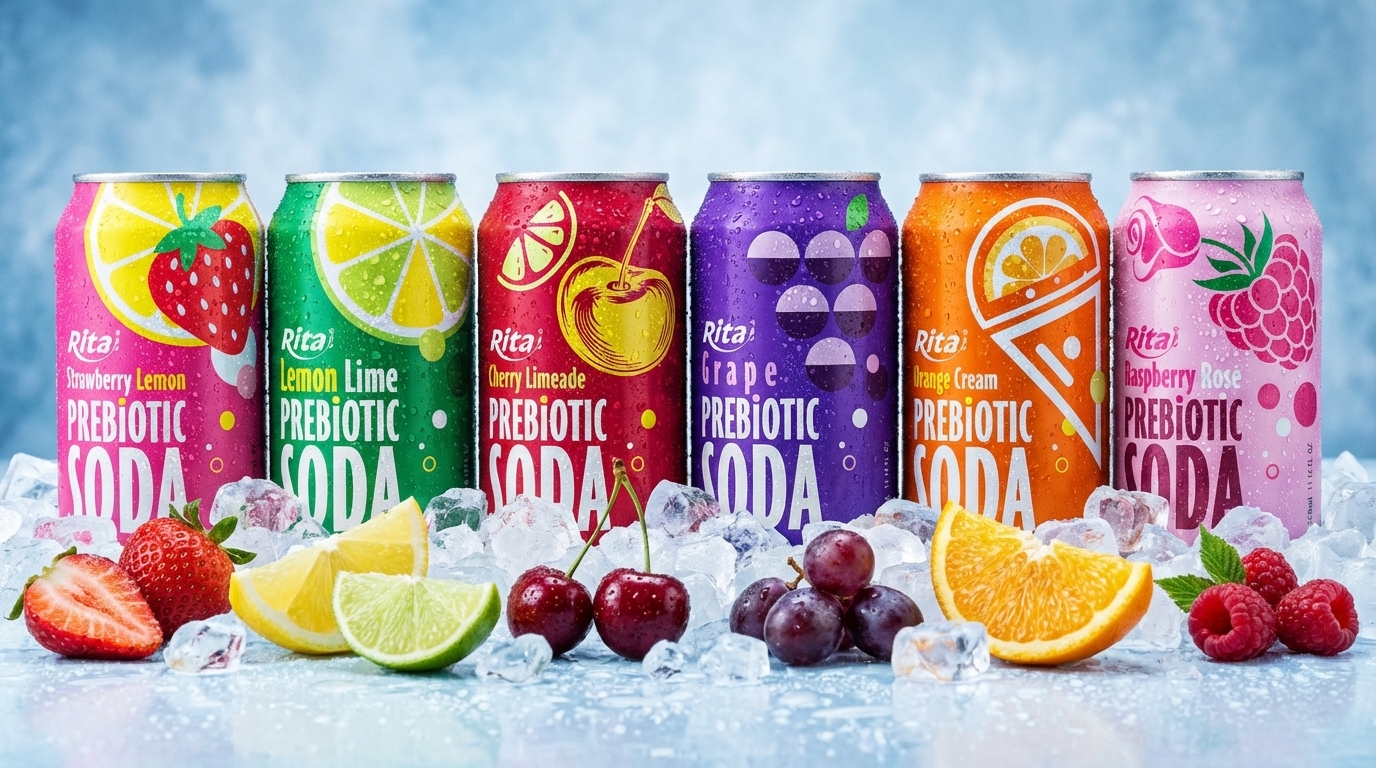
Several factors are driving this growth. First, there is a growing consumer awareness around the importance of gut microbiome balance, often fueled by media coverage and scientific research. Second, the clean-label movement has pushed consumers away from artificial ingredients and toward products with simple, recognizable components. Prebiotic sodas, often made with natural flavors and sweeteners, fit this bill perfectly. Third, the rise of social media and influencer marketing has made these products highly visible, particularly among younger demographics.
Consumer Behavior Shifts Toward Functional Carbonated Beverages
Modern consumers are increasingly looking for beverages that serve a dual purpose: great taste and perceived added value. This has led to a decline in sales of traditional sugary sodas and a corresponding rise in demand for functional carbonated beverages. Retailers are responding by dedicating more shelf space to these products, and new brands are entering the market at a rapid pace. For distributors, this represents a clear opportunity to diversify their portfolios and meet evolving consumer expectations.
The 330ml Aluminum Can: A Strategic Packaging Choice
Packaging plays a crucial role in the success of any beverage product. The 330ml aluminum can has emerged as a preferred format for prebiotic sodas for several reasons. First, aluminum cans offer excellent protection against light and oxygen, preserving product quality over a long shelf life—typically 24 months. Second, they are lightweight and stackable, reducing shipping costs and storage space. Third, the 330ml size is considered 'single-serve' in many markets, making it ideal for on-the-go consumption and vending machines.
Advantages of Aluminum Can Packaging for Export
For importers sourcing from overseas, aluminum cans offer logistical benefits. They are less prone to breakage compared to glass bottles, and their uniform shape allows for efficient palletization. Additionally, aluminum is infinitely recyclable, aligning with the growing consumer demand for sustainable packaging. Many manufacturers now offer custom can designs, allowing brands to create a strong visual identity on the shelf. For example, a product like the prebiotic soda in a 330ml short can can be designed with vibrant graphics that appeal to modern consumers.
MOQ and Supply Chain Considerations
When sourcing prebiotic sodas in 330ml cans, importers must consider minimum order quantities (MOQ) and lead times. Typical MOQs for OEM orders start at around 200 cartons per order, which is manageable for both small and large distributors. Delivery times usually range from 20 to 25 days after order confirmation, depending on production schedules and customization requirements. Manufacturers with large production capacities, such as those supplying 600 twenty-foot containers per month, can ensure consistent supply even during peak seasons.
Vietnam as a Strategic Sourcing Hub for Prebiotic Sodas
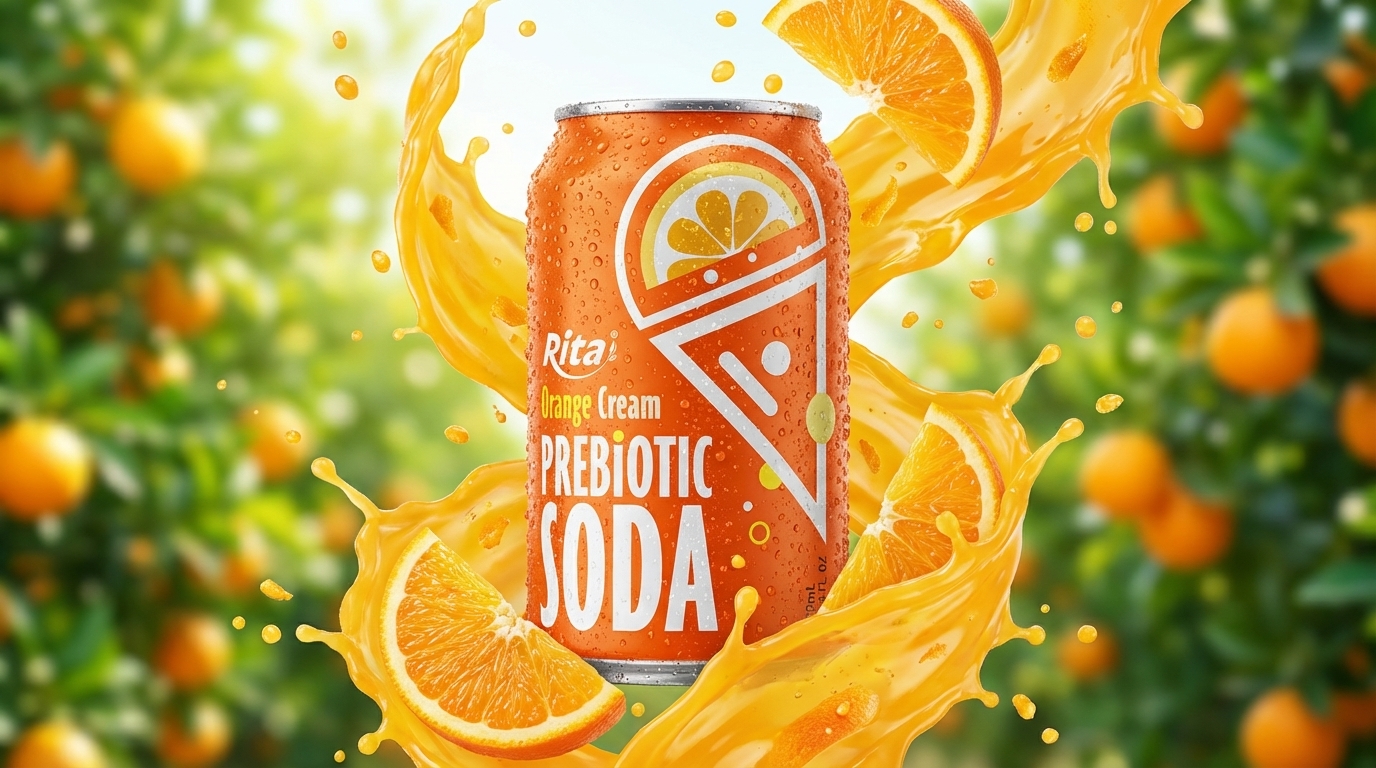
Vietnam has rapidly become a major player in the global beverage export market. The country offers a unique combination of competitive labor costs, modern manufacturing facilities, and favorable trade agreements. For importers looking for soda in 330ml aluminum cans, Vietnam provides an attractive alternative to traditional sourcing destinations like China or Thailand.
Manufacturing Capabilities and Certifications
Top Vietnamese beverage manufacturers operate facilities that span over 30,000 square meters, with more than 20 modern production lines and a workforce exceeding 500 employees. These factories are equipped to handle large-scale orders, with a total capacity of up to 1,200 containers per month. Crucially, they hold international certifications such as ISO, HACCP, FDA, HALAL, USDA Organic, and more, ensuring compliance with stringent global standards. This certification suite is essential for importers targeting markets in North America, Europe, and the Middle East.
OEM/ODM Services for Custom Branding
One of the key advantages of sourcing from Vietnam is the availability of comprehensive OEM and ODM services. Manufacturers offer custom formulation (flavor, sweetness, carbonation level), packaging design assistance, and brand development support. This allows importers to create a unique product tailored to their local market without investing in their own production facilities. The flexibility in MOQ and the option for free samples and free design services further lower the barrier to entry for new brands.
Market Opportunities in Retail and HORECA Channels
Prebiotic sodas in 330ml cans are well-suited for multiple distribution channels. In retail, they appeal to health-conscious shoppers who browse the functional beverage aisle. The compact size also makes them ideal for convenience stores and gas stations, where single-serve beverages are a staple. In the HORECA sector (Hotels, Restaurants, Cafes), these sodas can be offered as a premium non-alcoholic option, often paired with cocktails or served as a standalone refreshment.
Retail Strategies for Prebiotic Sodas
To succeed in retail, importers should focus on shelf placement, pricing strategy, and promotional activities. Given the premium positioning of most prebiotic sodas, they are often priced higher than traditional sodas. This requires clear communication of the product's unique attributes through packaging and in-store signage. Distributors can also leverage category management to secure prime shelf space, often near other functional beverages or in the natural foods section.
HORECA Applications and Partnership Models
In the HORECA channel, prebiotic sodas can be marketed as a sophisticated alternative to sugary soft drinks. Restaurants and cafes can use them as mixers for mocktails or as a standalone beverage for health-conscious patrons. Partnerships with distributors that offer consistent supply and competitive pricing are crucial for building long-term relationships with HORECA clients. The 24-month shelf life of these products ensures minimal waste, which is a significant advantage for venues with fluctuating demand.
Export Opportunities and Trade Considerations
For importers, the key to successful sourcing lies in understanding the logistics and trade terms. Most Vietnamese manufacturers offer FOB pricing (Free on Board) with shipment from major ports like Cat Lai Port in Ho Chi Minh City. Payment terms typically include L/C (Letter of Credit) or T/T (Telegraphic Transfer), providing flexibility for different buyer preferences. The ability to supply up to 600 twenty-foot containers per month ensures that even large-scale orders can be fulfilled without delays.
Navigating Certifications and Regulatory Compliance
When exporting prebiotic sodas, compliance with local regulations is non-negotiable. Certifications like FDA (for the US market), HALAL (for Muslim-majority countries), and USDA Organic (for organic claims) are often required. Reputable manufacturers will provide documentation for these certifications, but importers should verify them independently. Additionally, understanding labeling requirements, ingredient restrictions, and import tariffs in the target market is essential for smooth customs clearance.
Building a Long-Term Supply Chain Partnership
Successful importers view their relationship with manufacturers as a strategic partnership rather than a transactional one. This involves regular communication, joint planning for seasonal demand, and collaboration on new product development. Manufacturers that offer ODM service can help brands innovate by creating unique flavor profiles or packaging formats. For instance, a distributor might work with a manufacturer to develop a custom formulation of prebiotic soda with a specific flavor profile, leveraging the manufacturer's R&D capabilities.
Frequently Asked Questions
1. What is the typical shelf life of a prebiotic soda in a 330ml aluminum can?
The typical shelf life is 24 months from the production date when stored in a cool, dry place away from direct sunlight. This long shelf life is a key advantage for distributors managing inventory across multiple seasons.
2. What are the minimum order quantities for OEM prebiotic soda orders?
Most manufacturers require a minimum order quantity of 200 cartons per order. This MOQ is designed to be accessible for both small and large distributors, allowing for market testing before scaling up.
3. Can I customize the flavor and packaging of a prebiotic soda for my brand?
Yes, many manufacturers offer OEM and ODM services that allow you to customize the flavor profile, sweetness level, carbonation, and packaging design. Some providers also offer free sample and free design services to support new brand development.
4. What certifications should I look for when importing prebiotic sodas from Vietnam?
Key certifications include ISO, HACCP, FDA, HALAL, USDA Organic, and BRC, depending on your target market. Always verify that the manufacturer holds the relevant certifications for your country's import regulations.
5. How long does delivery typically take after placing an order?
Delivery time is usually 20 to 25 days after order confirmation, depending on the complexity of customization and current production capacity. Large-scale manufacturers with high supply ability (e.g., 600 containers per month) can often meet tight deadlines.