For importers, distributors, and F&B businesses, understanding this trend is crucial for strategic sourcing and portfolio expansion. This article explores the market dynamics, supply chain considerations, and business opportunities surrounding prebiotic soda, with a specific focus on the 330ml aluminum can format, a popular choice for on-the-go consumption and retail shelving.
Key Takeaways
- The global prebiotic soda market is expanding rapidly, with a compound annual growth rate (CAGR) exceeding 8%, driven by demand for functional carbonated beverages.
- Vietnam has emerged as a competitive manufacturing hub for prebiotic soda, offering cost-effective production and robust export capabilities.
- The 330ml aluminum can format is preferred for its portability, shelf stability, and recyclability, making it ideal for retail and Horeca channels.
- OEM and private label opportunities allow businesses to customize formulations and packaging, reducing time-to-market for new brands.
- Supply chain advantages, including short lead times and flexible MOQs, enable distributors to test markets and scale quickly.
Market Trends Driving the Prebiotic Soda Category
Consumer behavior in the beverage sector has evolved markedly over the past decade. Traditional sugary sodas are facing declining sales, while alternative carbonated drinks—such as kombucha, sparkling water, and prebiotic sodas—are gaining traction. The rise of gut health awareness has been a key catalyst, with consumers actively seeking products that support digestive wellness without sacrificing taste.
Why Prebiotic Sodas Are Gaining Popularity
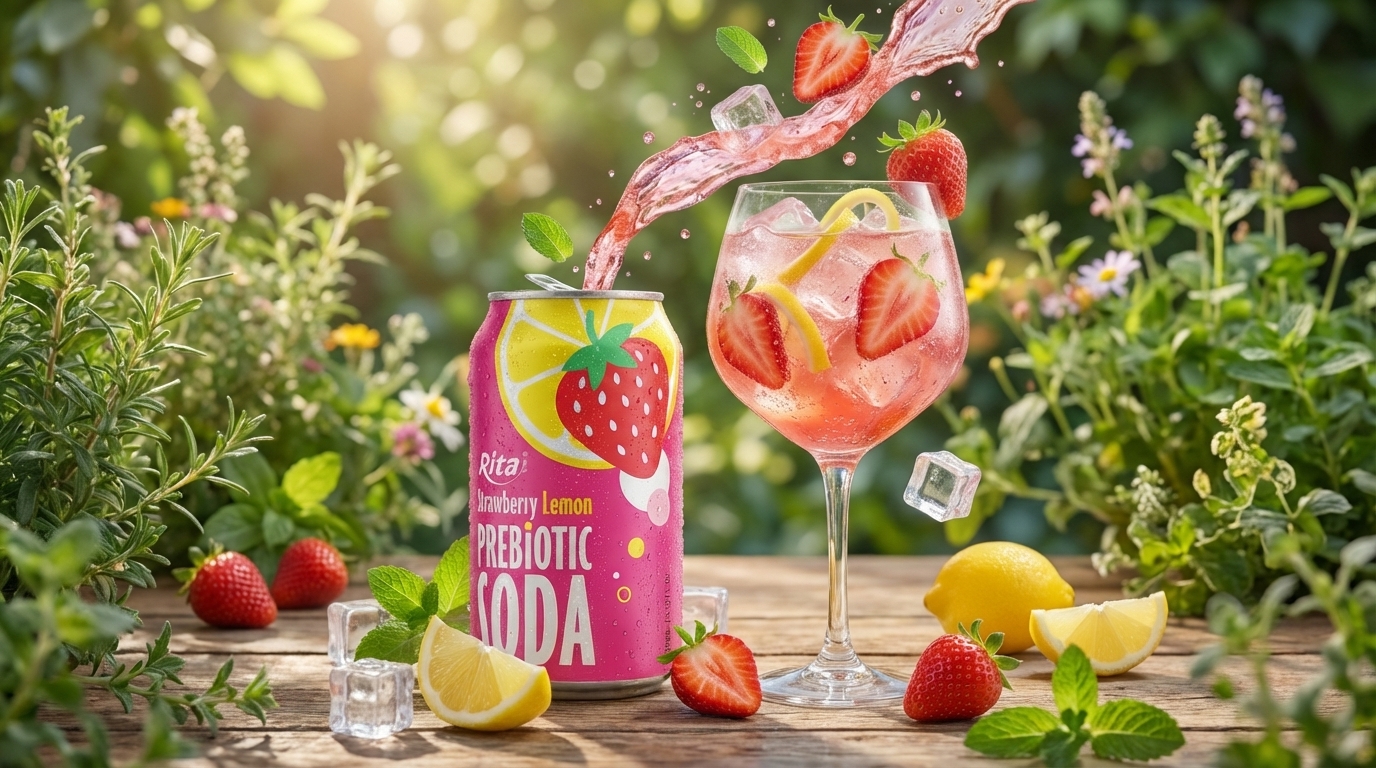
Prebiotic sodas offer a unique value proposition: they combine the familiar fizz and flavor of soda with dietary fiber that feeds beneficial gut bacteria. Unlike traditional sodas, which are often high in sugar and empty calories, prebiotic versions typically contain lower sugar levels and use natural sweeteners. This aligns with the broader clean-label movement, where consumers demand transparency in ingredients and manufacturing processes.
For importers and distributors, this trend translates into a growing addressable market. According to industry reports, the global prebiotic soda market is projected to reach $1.5 billion by 2027, with North America and Europe leading in consumption, followed by Asia-Pacific. The 330ml aluminum can size is particularly popular in these regions, as it offers a single-serve portion that fits convenience store coolers, vending machines, and foodservice menus.
Consumer Preferences and Retail Dynamics
Modern consumers are not just buying a beverage; they are buying into a lifestyle. The demand for functional carbonated beverages is fueled by millennials and Gen Z, who prioritize health, sustainability, and brand authenticity. Retailers are responding by dedicating more shelf space to better-for-you options, often placing them alongside kombucha and cold-pressed juices.
In the Horeca (Hotel, Restaurant, Café) sector, prebiotic sodas are increasingly offered as a premium mixer for cocktails or as a standalone non-alcoholic option. Their neutral flavor profile, such as lemon-lime, makes them versatile for various applications. For example, many café chains now feature prebiotic soda as a base for mocktails, appealing to customers looking for alcohol-free alternatives.
Supply Chain and Sourcing Considerations for Prebiotic Soda
For businesses looking to enter or expand in the prebiotic soda market, sourcing from a reliable manufacturer is critical. Vietnam has become a strategic sourcing destination, offering competitive pricing, high production capacity, and adherence to international quality standards. Manufacturers like RITA Drinks exemplify the capabilities of Vietnamese beverage producers, with modern facilities and a strong export focus.
Production Capacity and Export Capabilities
Vietnam’s beverage manufacturing sector has grown significantly, supported by investments in automation and quality control. A typical large-scale facility can produce up to 1,200 containers per month, ensuring stable supply for bulk orders. For example, a manufacturer with over 20 production lines and a factory size of approximately 30,000 square meters can handle large-volume contracts efficiently.
When evaluating suppliers, importers should consider factors such as lead time, minimum order quantity (MOQ), and payment terms. Many Vietnamese factories offer flexible MOQs, such as 200 cartons per order, and delivery times of 20–25 days after order confirmation. Payment terms like L/C (Letter of Credit) or T/T (Telegraphic Transfer) are standard, providing security for both parties.
Packaging Options and Shelf Life
The 330ml aluminum can is a preferred packaging format for prebiotic sodas due to its durability and extended shelf life. Typically, these beverages have a shelf life of 24 months when stored in a cool, dry place away from direct sunlight. This extended stability is advantageous for international shipping, as it reduces the risk of spoilage during transit.
In addition to aluminum cans, manufacturers offer a range of packaging options, including PET bottles (400ml to 1.5L), glass bottles (250ml to 490ml), and PP bottles (250ml to 2L). This variety allows distributors to choose the format best suited to their target market—whether for single-serve retail or bulk foodservice.
Business Opportunities for Importers and Distributors
The prebiotic soda category presents multiple entry points for B2B buyers. From launching a private label brand to distributing an established product, the opportunities are diverse. Understanding the market landscape and leveraging manufacturing partnerships can accelerate growth.
Private Label and OEM Services
One of the most attractive options for new entrants is OEM (Original Equipment Manufacturing) or ODM (Original Design Manufacturing). Many Vietnamese factories, including RITA, offer comprehensive private label services, allowing businesses to develop custom formulations, packaging designs, and branding. This reduces the need for heavy upfront investment in production facilities.
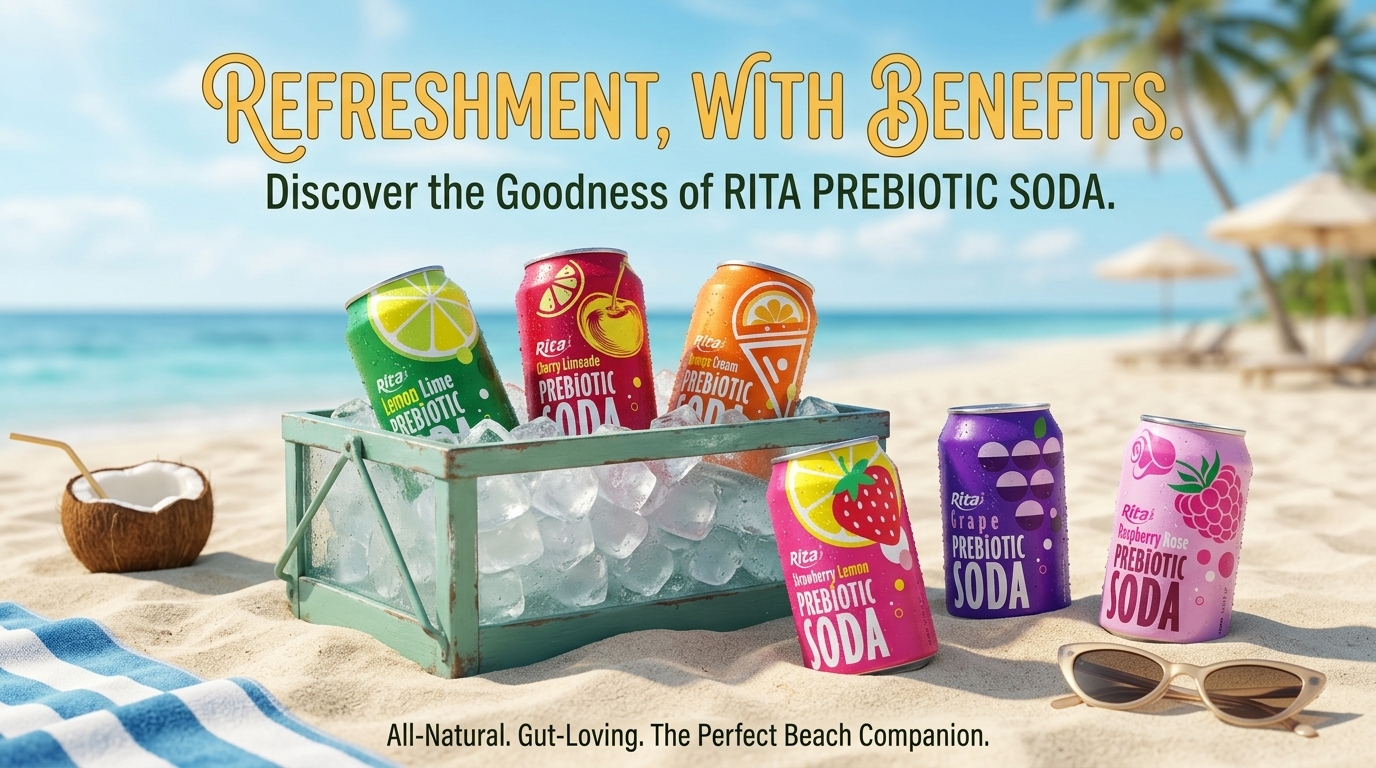
For example, a distributor can work with a manufacturer to create a lemon-lime flavored prebiotic soda with a specific sweetness level and carbonation profile. The manufacturer handles all aspects of production, from ingredient sourcing to quality testing, ensuring consistency and compliance with international standards. This end-to-end service is particularly valuable for startups and established brands alike.
Export Logistics and Market Entry
Exporting from Vietnam is streamlined, with major ports like Cat Lai Port in Ho Chi Minh City serving as key gateways. Manufacturers typically supply up to 600 twenty-foot containers per month, ensuring scalability for large orders. For importers in the US, Europe, or Asia, this means reliable access to high-volume production.
Certifications such as ISO, HACCP, FDA, HALAL, USDA Organic, and EU Organic are common among reputable Vietnamese beverage manufacturers. These certifications facilitate market access by demonstrating compliance with stringent food safety and quality regulations. For instance, many distributors are now sourcing prebiotic soda directly from Vietnam to meet the growing demand in their local markets.
Retail and Distribution Strategies for Prebiotic Soda
Successfully bringing a prebiotic soda to market requires a well-planned distribution strategy. Whether targeting grocery chains, specialty health stores, or online platforms, understanding consumer touchpoints is key.
Retail Channels and Shelf Placement
In retail, prebiotic sodas are often positioned in the functional beverage aisle or alongside natural sodas. Eye-catching packaging design and clear label communication are critical for attracting impulse buyers. The 330ml short can format is particularly effective for this, as it stands out on shelves and fits easily in coolers.
For online retail, platforms like Amazon and specialty e-commerce sites have become major sales channels. Distributors can leverage these platforms to reach consumers directly, often with subscription models or multipacks. The demand for functional carbonated beverages continues to grow, making prebiotic soda a strong candidate for digital marketing campaigns.
Foodservice and Horeca Applications
In the foodservice sector, prebiotic sodas are gaining popularity as a premium non-alcoholic option. Restaurants and cafés use them as mixers for cocktails or as a standalone beverage, often served in glassware to enhance the experience. The lemon-lime flavor is particularly versatile, complementing a wide range of dishes from salads to grilled meats.
For distributors targeting the Horeca channel, offering bulk packaging or customized portion sizes can be a differentiator. Many manufacturers provide free sample and free design services, allowing foodservice operators to test products before committing to large orders. For importers looking at soda in 330ml aluminum cans, this flexibility is a significant advantage.
Global Export Opportunities and Market Potential
The export potential for prebiotic soda from Vietnam is substantial, driven by cost advantages, quality certifications, and trade agreements. As global demand for functional beverages rises, Vietnamese manufacturers are well-positioned to capture market share.
Key Export Markets and Trade Agreements
Vietnam benefits from free trade agreements with major economies, including the EU (EVFTA), the US (under WTO terms), and ASEAN countries. These agreements reduce tariff barriers, making Vietnamese products more competitive. The port infrastructure in Ho Chi Minh City ensures efficient shipping to global destinations.
For importers in North America and Europe, sourcing from Vietnam offers a favorable balance of cost and quality. The supply ability of up to 600 containers per month means that even large-scale distributors can secure consistent inventory. For more beverage options, visit the coffee drinks product catalog to explore complementary categories.
Competitive Advantages of Vietnamese Manufacturing
Vietnamese beverage manufacturers offer several competitive advantages, including large-scale production capacity, competitive pricing, and strong R&D capabilities. Many factories have invested in advanced production lines that can handle custom formulations and packaging designs. This agility is particularly valuable for businesses looking to differentiate their brand in a crowded market.
Additionally, the availability of certifications such as BRC, FSSC 22000, and SMETA/BSCI ensures that products meet the highest international standards. This compliance is essential for gaining shelf space in major retail chains and for building trust with consumers. Our fruit juice product catalog showcases similar quality standards for other beverage categories.
Frequently Asked Questions
1. What is the typical shelf life of prebiotic soda in 330ml aluminum cans, and how should it be stored?
The typical shelf life of prebiotic soda in 330ml aluminum cans is approximately 24 months from the production date. It should be stored in a cool, dry place away from direct sunlight to maintain quality and carbonation.
2. Can prebiotic soda be customized for private label or OEM orders?
Yes, prebiotic soda is available for OEM and ODM partnerships. Manufacturers can customize the formulation, sweetness level, carbonation, and packaging design to suit your brand’s requirements. Minimum order quantities are typically flexible, starting from around 200 cartons.
3. What are the key export certifications required for prebiotic soda from Vietnam?
Common certifications include ISO, HACCP, FDA, HALAL, USDA Organic, EU Organic, BRC, and FSSC 22000. These certifications facilitate market access in the US, Europe, and other regions by demonstrating compliance with food safety and quality standards.
4. What is the minimum order quantity for prebiotic soda from Vietnamese manufacturers?
Most Vietnamese manufacturers set a minimum order quantity of 200 cartons per order. However, this can vary depending on the product and packaging format. It is advisable to contact the manufacturer directly for specific MOQ requirements.
5. What payment terms are typically offered for prebiotic soda exports?
Standard payment terms include L/C (Letter of Credit) and T/T (Telegraphic Transfer). These terms provide security for both the buyer and seller, ensuring that payment is processed upon shipment or delivery.