The American beverage landscape is undergoing a significant transformation. Consumers are increasingly moving away from sugary sodas and artificial drinks, seeking alternatives that offer both refreshment and a sense of authenticity. This shift has created a powerful new category: sparkling water infused with real fruit. For importers and distributors, understanding this trend is not just an opportunity—it is a strategic necessity.
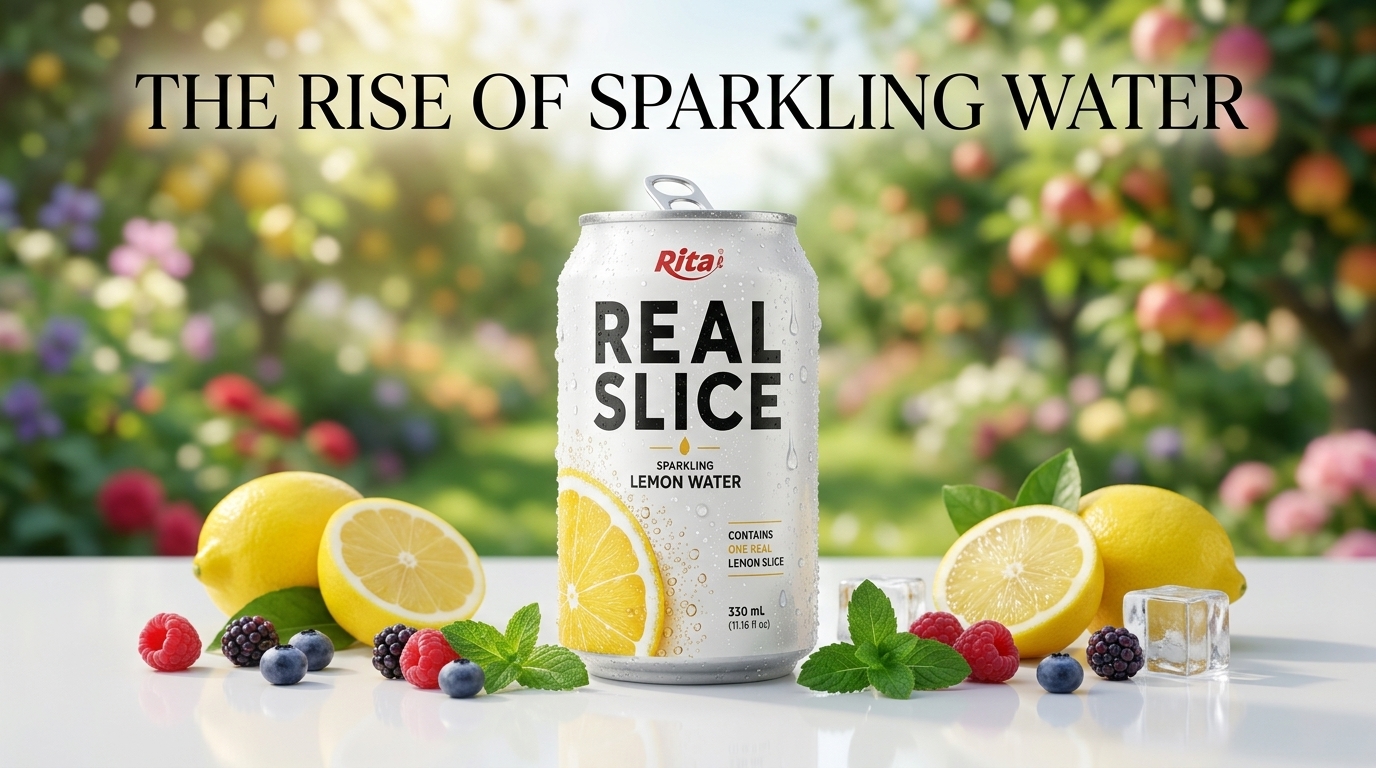
- The US sparkling water market is projected to exceed $50 billion by 2027, with real-fruit variants leading growth.
- Products featuring visible, real ingredients like lemon slices command premium pricing and higher consumer trust.
- Vietnamese manufacturers, with strong OEM capabilities and competitive pricing, are ideal partners for private-label entry into this segment.
- Compliance with FDA labeling standards and packaging innovation are critical for success in the US market.
- Beverage buyers should prioritize suppliers offering flexible MOQ and a proven track record in global exports.
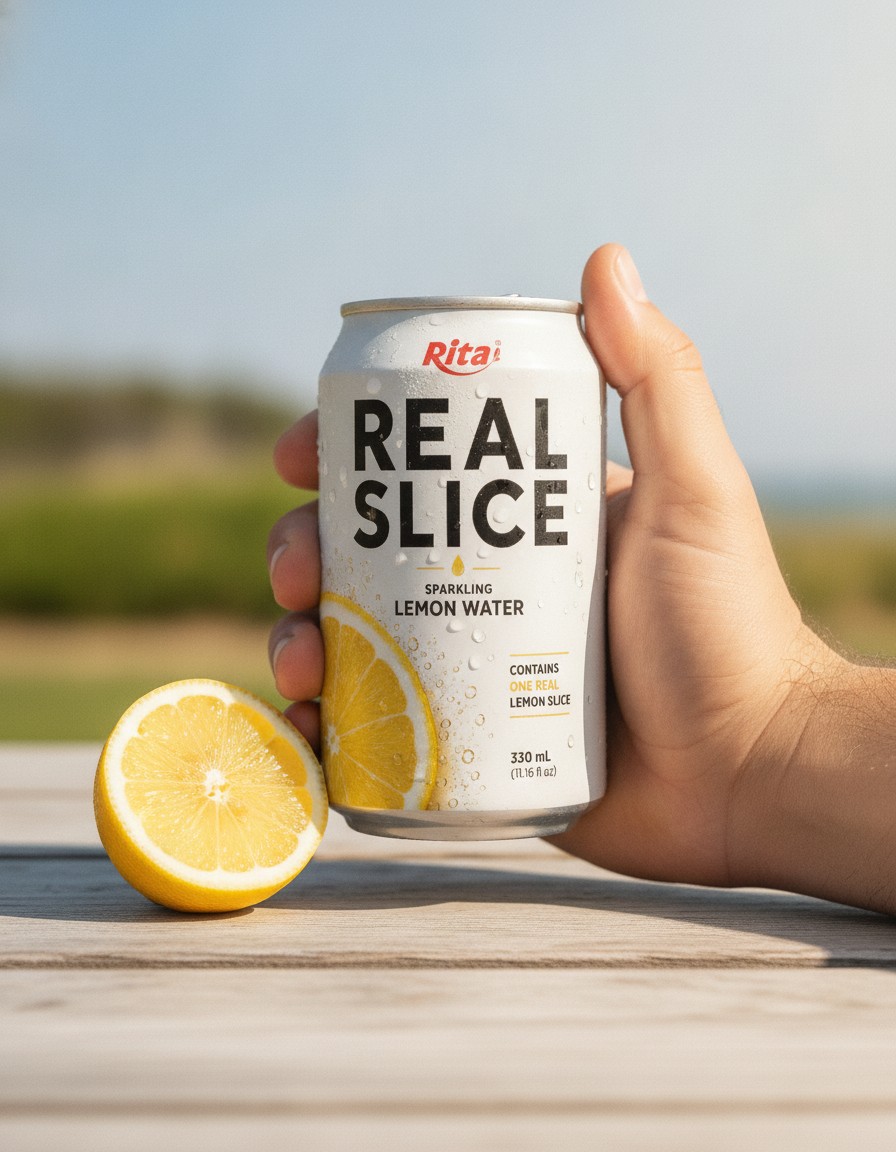
One product that perfectly embodies this market shift is the Sparkling Lemon Water With Real Fruit Slices 325ml Can. This beverage, featuring a single real lemon slice visible through its clear labeling, taps directly into the consumer desire for natural refreshment. It is not just a drink; it is an experience that communicates freshness and quality without relying on artificial additives. For US buyers, this represents a clear signal of where the market is heading.
The US Market Opportunity for Real-Fruit Sparkling Water
The US is the world's largest market for sparkling water, and the segment is far from saturated. According to recent industry reports, the carbonated soft drink market in 2026 is being reshaped by a demand for functional and flavorful options. This creates a prime window for products like lemon sparkling water with real fruit.
Consumer Trends Driving Demand
American consumers are now prioritizing clean labels and ingredient transparency. They want to see, taste, and understand what is in their can. A product that states “CONTAINS ONE REAL LEMON SLICE” directly on the packaging, as seen on the Rita Real Slice can, meets this demand head-on. The visual cue of a real lemon slice on a crisp white can, complete with condensation droplets, signals a cold, invigorating experience that standard flavored seltzers cannot match.
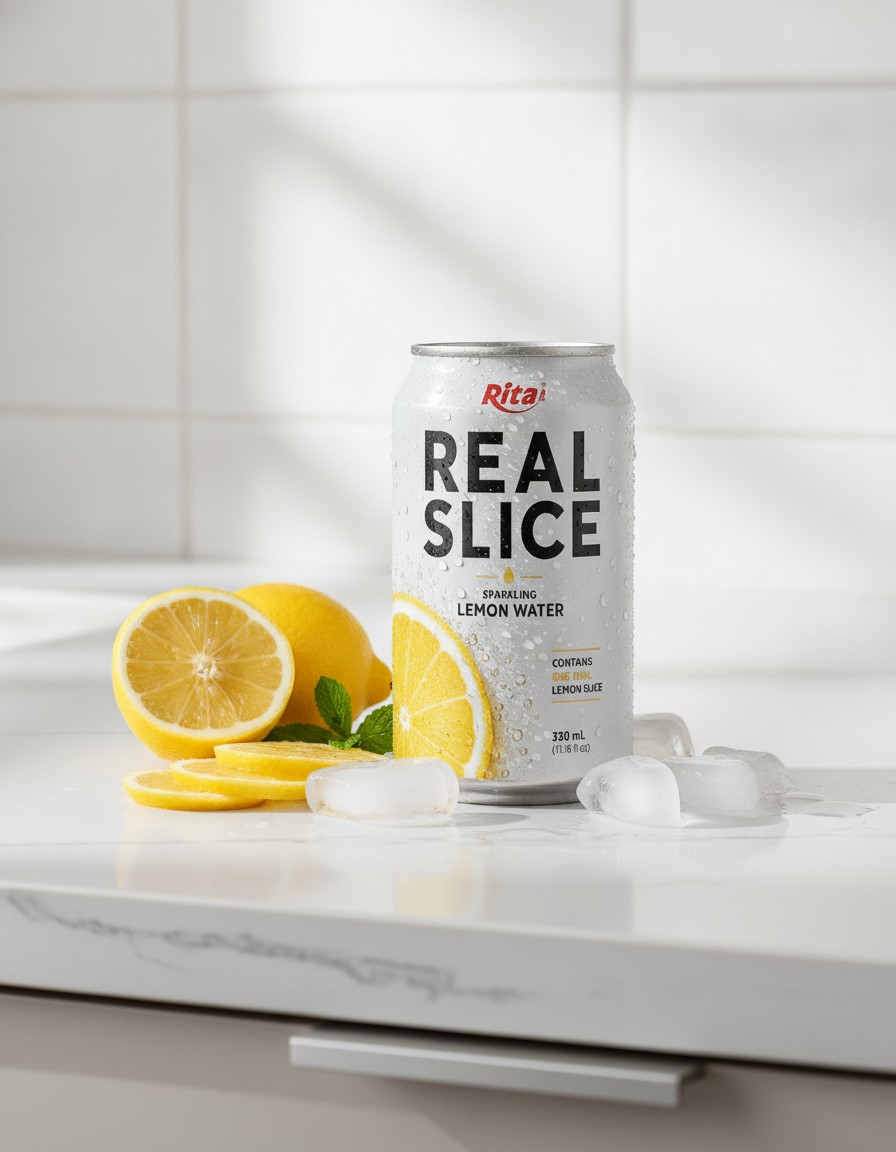
The rise of the “sober curious” movement and the focus on metabolic balance are also fueling growth. Consumers are swapping high-sugar cocktails and sodas for sophisticated, low-calorie alternatives. A 325ml can of sparkling lemon water offers a perfect portion-controlled option for on-the-go hydration. It fits seamlessly into the lifestyle of health-conscious millennials and Gen Z, who view their drink choice as a form of self-expression, as highlighted by Keurig Dr Pepper's 2026 State of Beverages Trend Report.
Packaging as a Competitive Advantage
In a crowded retail environment, packaging is the first point of sale. The aluminum can format for this product is a strategic choice. Aluminum is infinitely recyclable, lightweight for shipping, and provides excellent protection against light and oxygen, preserving the crisp lemon flavor. The 330ml (11.16 fl oz) size is an industry standard that fits all US vending machines, convenience store coolers, and multipack configurations. For a buyer, sourcing a product in this format from a reliable supplier reduces logistical headaches and ensures retail compatibility.
For businesses looking to enter this space, partnering with an experienced manufacturer like RITA Food & Drink Co., Ltd is a smart move. With over 50 production lines and a monthly supply capacity of 600 twenty-foot containers, RITA offers the scale and reliability required for the US market. Their expertise in OEM and ODM services allows importers to develop a custom brand without the heavy investment in manufacturing infrastructure. By leveraging their OEM service, buyers can customize formulations and packaging to perfectly align with their target demographic.
Why Vietnamese Manufacturers Are Winning in the US Beverage Sector
Vietnam has emerged as a powerhouse for beverage manufacturing, particularly for fruit-based and innovative drinks. The country's strategic location provides access to abundant tropical fruit resources, but the real advantage lies in its manufacturing sophistication. Vietnamese factories are now equipped with world-class certifications like ISO, HACCP, FDA, and HALAL, meeting the stringent requirements of US importers.
Competitive Pricing and Flexible Minimums
One of the biggest barriers for new entrants in the US beverage market is the high minimum order quantity (MOQ) often required by large-scale manufacturers. However, suppliers like RITA offer flexible MOQ, allowing smaller brands to test the waters before committing to massive volumes. The FOB pricing from Ho Chi Minh City ports is highly competitive, especially when compared to production costs in the US or Europe. This cost advantage, combined with a delivery time of 20-25 days after order, makes Vietnam an attractive sourcing hub.
Furthermore, the ability to supply 600 containers per month ensures that even large-scale national launches can be supported without supply chain bottlenecks. For a product like sparkling lemon water, which has a high turnover rate in retail, consistent supply is paramount. Buyers can confidently scale their operations knowing their manufacturing partner has the capacity to grow with them.
Certifications and Quality Assurance
US importers require rigorous documentation. A product entering the US must comply with FDA regulations regarding labeling, ingredients, and manufacturing practices. Vietnamese manufacturers have adapted quickly. The product in question, for example, is produced in facilities with certifications that satisfy US customs and retail requirements. This includes not only food safety certifications but also social compliance audits like SMETA/BSCI, which are increasingly demanded by major US retailers. By choosing a certified partner, buyers mitigate the risk of shipment rejections and brand damage.
For buyers specifically interested in the fruit juice segment, exploring a manufacturer’s fruit juice product lines can provide insight into their quality standards and flavor development capabilities. A proven track record in fruit-based beverages is a strong indicator of success for a sparkling fruit water line.
Navigating Import Regulations and Labeling for the US
Successfully launching a beverage in the US requires more than just a great product; it demands meticulous attention to regulatory compliance. The FDA has clear guidelines on what constitutes a “real fruit” claim. The product must accurately represent its contents. The label on the Rita Real Slice can is a good example of compliant marketing: it clearly states the net volume (330 mL), the flavor (Sparkling Lemon Water), and the key claim (Contains One Real Lemon Slice). There are no ambiguous health claims or misleading statements.
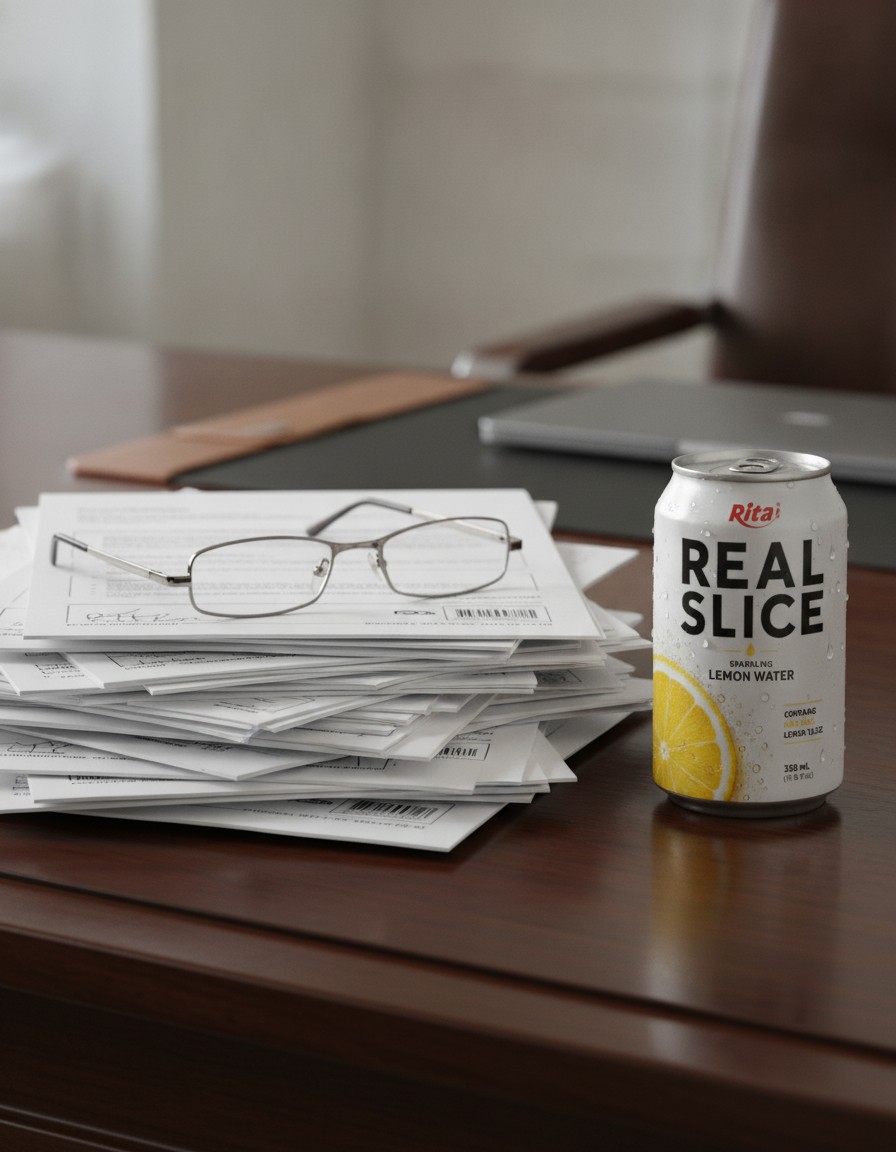
Buyers should work with their suppliers to ensure that the Nutrition Facts panel is correctly formatted for the US market. This includes specifying serving sizes, calories, and any added sugars. A product like sparkling lemon water, which relies on the natural essence of the fruit, typically has a clean label with minimal ingredients. This simplicity is a major selling point. Importers should also consider the shelf life. Aluminum cans provide an excellent barrier, often allowing for a 12-18 month shelf life, which is ideal for the long supply chains from Vietnam to US distribution centers.
Finally, it is crucial to partner with a logistics provider experienced in handling food imports from Asia. The journey from Cat Lai Port in Ho Chi Minh City to a warehouse in Los Angeles or New York requires careful temperature management and customs brokerage. A reliable supplier will provide all necessary documentation, including certificates of origin, phytosanitary certificates, and laboratory test results, to ensure a smooth clearance process.
Frequently Asked Questions
What makes sparkling water with real fruit different from regular flavored seltzer?
Unlike standard seltzer which uses artificial flavors or natural essences, products like sparkling lemon water with real fruit slices provide a visible, authentic ingredient. This creates a superior taste experience and a stronger perception of quality and freshness, which is a key driver in the current US beverage market.
What are the typical MOQ requirements for importing private-label canned beverages from Vietnam?
Flexible MOQ is a major advantage of sourcing from Vietnamese manufacturers. While it varies by supplier, many, including RITA, offer adaptable minimums to accommodate both startup brands and established companies. This allows buyers to test the market with a smaller initial order before scaling up.
Which certifications are most important for a beverage entering the US market?
Key certifications include FDA registration, FSSC 22000 or BRC for food safety, and HALAL if targeting that demographic. Social compliance certifications like SMETA/BSCI are also crucial for securing placement with major US retailers who audit their supply chains for ethical labor practices.
How long does shipping take from Vietnam to the USA?
Standard sea freight from Cat Lai Port, Ho Chi Minh City to a major US West Coast port like Los Angeles typically takes 15-20 days. The total delivery time from order placement to arrival at a US warehouse, including production and customs clearance, is usually around 20-25 days, as offered by efficient manufacturers.