The global beverage landscape is witnessing a fascinating convergence of traditional flavors and modern convenience, with the ready-to-drink (RTD) segment leading innovation. Within this dynamic space, a unique fusion product is carving out a notable niche: ready-to-drink ginger milk tea. This category merger—blending the comforting, creamy profile of milk tea with the distinctive, spicy kick of ginger—offers a compelling case study in market adaptation and consumer appeal, particularly for exporters targeting discerning markets.
Key Takeaways
- The RTD ginger milk tea segment represents a growing fusion trend, blending traditional Asian flavors with Western consumer preferences for convenience and functional ingredients.
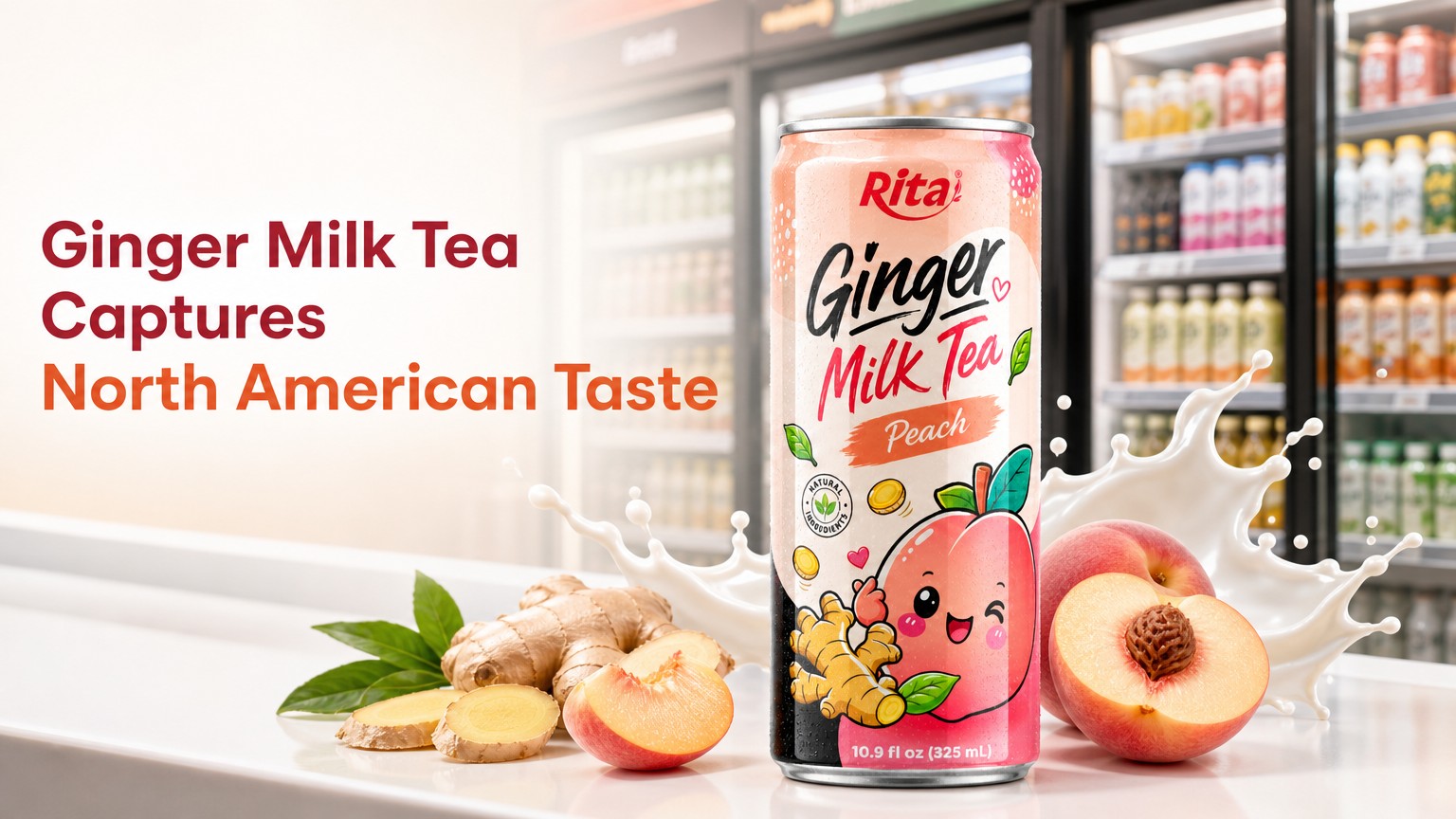
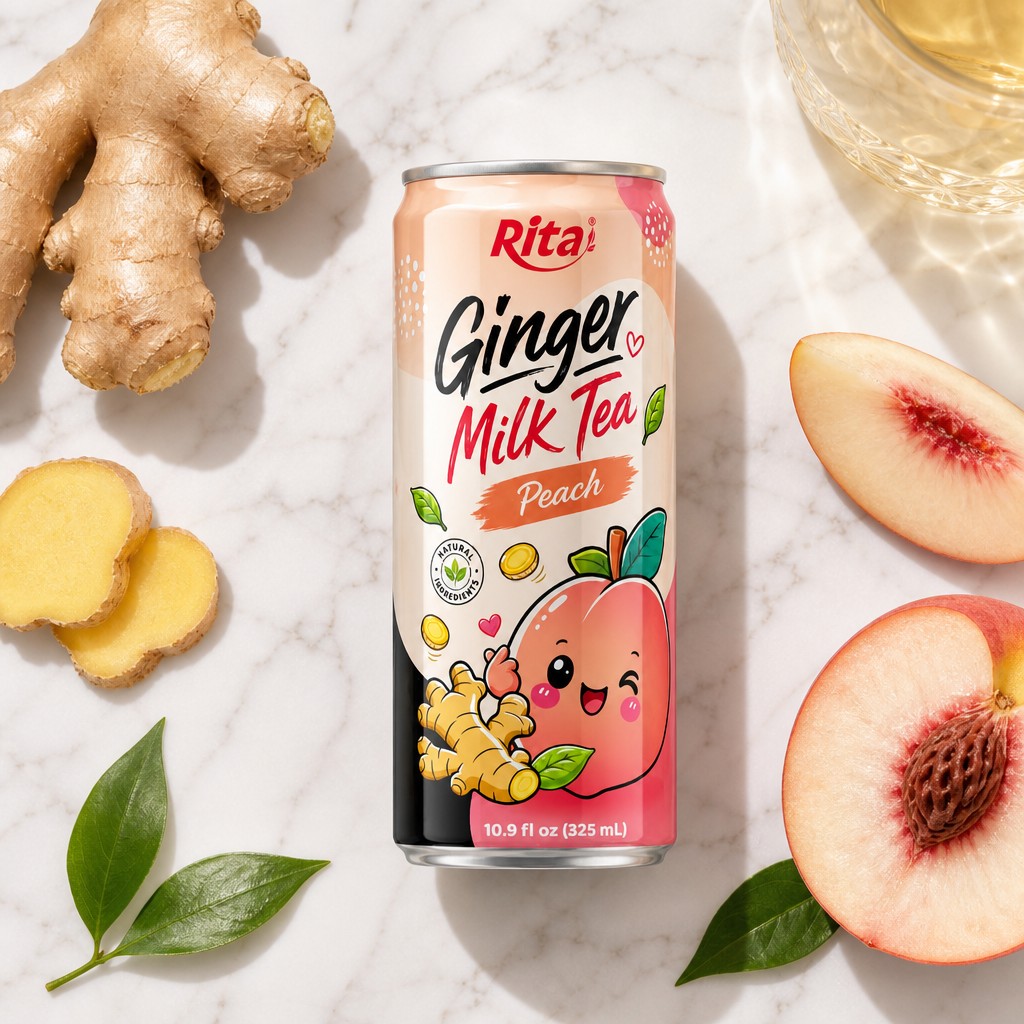
- Products like the Ready-to-Drink Ginger Milk Tea with Peach Flavor showcase innovative flavor layering, combining spice, fruit, and creaminess.
- Successful market penetration requires a dual focus on compelling product experience and robust, certified supply chain logistics for reliable export.
- The North American market presents a significant opportunity for culturally novel yet approachable beverage experiences.
Understanding the Consumer Appeal: Spice Meets Creamy Comfort
The appeal of ginger milk tea lies in its sophisticated flavor architecture. Ginger, long celebrated in various culinary traditions for its sharp, aromatic quality, provides a warming sensation. When paired with the smooth, rich base of milk tea, it creates a balanced profile that is neither overly sweet nor one-dimensionally spicy. The addition of a complementary fruit note, such as the peach flavor found in RITA's offering, introduces a bright, familiar sweetness that can broaden the drink's accessibility to a wider audience.
This specific combination targets a consumer base seeking beverages that are more than just thirst-quenchers; they are looking for an experience. The trend leans towards "functional indulgence," where consumers enjoy flavors that feel both comforting and intriguingly new. The 10.9 fl oz (325ml) can format aligns perfectly with on-the-go consumption, fitting seamlessly into lunch routines, afternoon breaks, or as a complement to meals. The packaging itself, with its playful and inviting design, communicates the product's accessible and enjoyable nature before the first sip is even taken.
Market Insights and Export Considerations
For brands and retailers in regions like the United States, Canada, and across North America, introducing a product like this requires understanding local palates. The market has shown a strong appetite for diverse, globally-inspired flavors, driven by a curious and adventurous consumer demographic. The RTD tea category is mature, yet space remains for innovations that break from traditional black or green tea bases.
The key to successful entry lies not just in the product formulation but in the reliability and compliance of the manufacturing partner. This is where the role of an experienced OEM/ODM manufacturer becomes critical. RITA Food & Drink Co., Ltd., established in 2004, exemplifies this capability. With certifications including BRC, FSSC 22000, Halal, Kosher, ISO, and GMP, they provide the essential quality assurances required for entry into stringent international markets. Their capacity to produce over 1,200 container loads monthly demonstrates the scale necessary to meet substantial demand from major retail chains and distributors.
Competitive Edge Through Quality and Compliance
In a competitive landscape, adherence to international standards is non-negotiable. The comprehensive certification suite held by manufacturers like RITA acts as a passport for global trade, simplifying the import process and building trust with retailers and consumers alike. A product's market potential is directly tied to the manufacturer's ability to consistently deliver on quality, safety, and ethical production standards.
This focus on robust infrastructure allows for flexible solutions, from producing ready-made formulations to developing private-label concepts where brands can customize flavor profiles and packaging designs. The ability to work across multiple packaging formats—from aluminum cans and glass bottles to PET and PP bottles—further enhances adaptability to market preferences and retail display needs.
The Manufacturing Backbone: From Ingredient to Global Shelf
Creating a product with a distinctive ginger profile requires access to high-quality raw materials. The source of ingredients plays a vital role in defining the final taste and quality of the beverage. For a key ingredient like ginger, proximity to reputable growing regions can be a significant advantage. RITA leverages its sourcing networks, including access to ingredients from fertile areas like the Mekong Delta, to ensure a consistent and authentic flavor profile for its ginger-based drinks. This connection to quality raw materials is a foundational element of product excellence.
The production process itself, managed within highly automated facilities, ensures precision in blending, pasteurization, and filling. This technological capability is essential for maintaining the delicate balance of flavors in a complex product like ginger milk tea and for guaranteeing shelf stability without artificial preservatives—a factor increasingly important to modern consumers who scrutinize ingredient lists.
Explore how the Mekong Delta serves as a high-quality raw ingredient area for RITA's beverages.
Strategic Distribution and Market Positioning
Once produced, the journey to the North American consumer involves strategic logistics and positioning. Placing a novel product like ready-to-drink ginger milk tea requires careful consideration of retail channels. Initially, it may find a strong foothold in Asian grocery stores, specialty food markets, and online platforms catering to gourmet and international foods. Success in these channels can build brand recognition and consumer reviews, paving the way for broader distribution in mainstream supermarkets and convenience stores.
Marketing should emphasize the unique selling proposition: the harmonious blend of familiar milk tea comfort with the exciting, invigorating twist of ginger and peach. Educating consumers about the flavor profile is key to overcoming initial hesitation and driving trial purchases. Point-of-sale materials, digital campaigns, and sampling programs can all be effective in conveying the drink's unique sensory experience.
Frequently Asked Questions
The Broader Landscape: Trends Shaping Beverage Choices
The introduction of innovative RTD products occurs within a broader context of shifts in the global beverage sector. Recent market dynamics, such as fluctuations in commodity prices affecting everything from sweeteners to tea leaves, underscore the importance of resilient supply chains. Regulatory environments also evolve; for instance, adjustments in alcohol content rules for certain beverages in major markets can indirectly influence consumer spending and shelf space allocation for non-alcoholic alternatives.
Corporate strategies are also in flux, with established players sometimes restructuring operations or revitalizing legacy brands to remain competitive. In this environment, agility and specialization—like focusing on a unique product niche such as ginger milk tea—can provide a meaningful competitive advantage for both manufacturers and brands. The ability to quickly scale production through established OEM partners like RITA, who serve over 200 countries, is a key enabler of this agility.
Market and Export of Ginger Milk Tea and RTD Milk Tea
Annual Trade Growth
| Year | Shipments | Total Value (USD) | Total Weight (kg) | Total Quantity (units) |
|---|---|---|---|---|
| 2025 | 75 | 33,258 | 864,946 | 113,178 |
| 2026 | 141 | 59,855 | 1,118,806 | 146,578 |
| Change 2026 vs 2025 | +88% | +80% | +29.3% | +29.5% |
Data source: Tradesparq Trade Data (tradesparq.com)
Top Origin and Destination Countries
| Country | Role | Shipments | Share of Shipments (%) | Value (USD) | Weight (kg) | Quantity (units) |
|---|---|---|---|---|---|---|
| Vietnam | Origin | 68 | 31.5% | 4,168 | 397,015 | |
| South Korea | Origin | 37 | 17.1% | 16,940 | 323,685 | |
| China | Origin | 16 | 7.4% | 6 | 230,874 | |
| India | Origin | 14 | 6.5% | 5,394 | 80,125 | |
| Malaysia | Origin | 14 | 6.5% | 17,945 | 58,610 | |
| United States | Destination | 149 | 69.0% | 1,903,006 | 231,488 | |
| Indonesia | Destination | 21 | 9.7% | 2,703 | 8,002 | |
| Vietnam | Destination | 17 | 7.9% | 0 | 1,065 | |
| Bahamas | Destination | 7 | 3.2% | 26,465 | 41 | |
| Philippines | Destination | 5 | 2.3% | 2,040 | 7,251 |
Data source: Tradesparq Trade Data (tradesparq.com)
Main HS Codes
| HS Code | Description | Shipments | Value (USD) |
|---|---|---|---|
| 210120 | Tea/mate extracts, essences, concentrates and preparations (core raw material) | 29 | 41,437 |
| 121190 | Plant materials for flavouring / health use | 23 | 3,008 |
| 210690 | Food preparations, n.e.s. | 12 | 54 |
| 190590 | Other bakers' wares | 9 | 38,605 |
Data source: Tradesparq Trade Data (tradesparq.com)
The ginger milk tea market experienced robust growth from 2025 to 2026, with shipments increasing by 88% and total value rising by 80%, indicating strong demand expansion. Seasonal trends show peak shipments in December 2025 and May 2026, aligning with cold-season consumption patterns.
Vietnam is the leading origin country, contributing 31.5% of global shipments, while the United States dominates as the top destination market with 69% of shipments. These trade flows underscore key international partnerships in this rapidly growing sector.
Ultimately, the journey of a product like ready-to-drink ginger milk tea with peach flavor from concept to North American shelves illustrates the power of fusion, the necessity of certified quality, and the importance of strategic market positioning. As consumer curiosity continues to drive the exploration of new flavors, products that successfully marry tradition with innovation are well-positioned to capture growing market share.