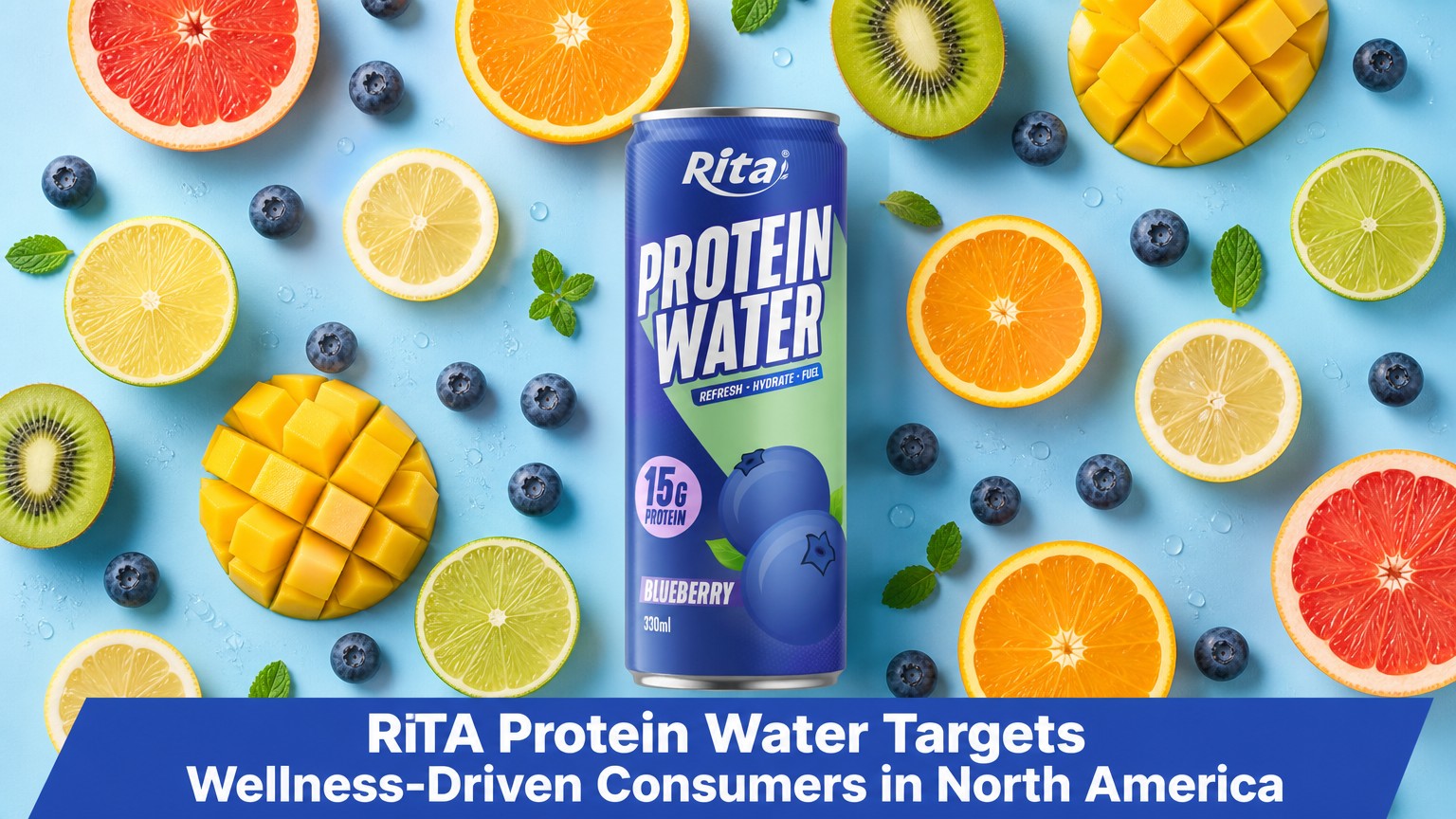
The intersection of convenience and high-protein nutrition is creating a significant opportunity in the North American functional beverage market. Brands are rapidly evolving beyond traditional shakes, seeking new formats to meet consumer demand for on-the-go solutions. Leading this charge is the RITA 15G Protein Water with Blueberry, a product designed to capitalize on this precise consumer shift.
Key Takeaways
- Consumer behavior is shifting towards convenient, low-viscosity protein sources for daily use.
- The 15G Protein Water format by RITA directly addresses the demand for palatable, light beverages over heavy shakes.
- Backed by advanced manufacturing and global certifications, RITA is positioned as a key OEM/ODM partner for brands entering this space.
- Strategic placement in the market targets fitness enthusiasts and health-conscious individuals seeking transparent ingredients.
- Industry analysis shows the North American functional drink segment is ripe for innovation in taste and format.
The Evolving Consumer: Why Format Matters
The modern consumer's relationship with protein supplementation is undergoing a transformation. The era of chalky, thick shakes being the sole option has passed. Today's market data reveals a clear preference for lighter, more refreshing formats that can seamlessly integrate into a busy lifestyle, from the office to the gym bag. This behavioral shift is not just about taste; it's about consumption occasions and psychological perception.
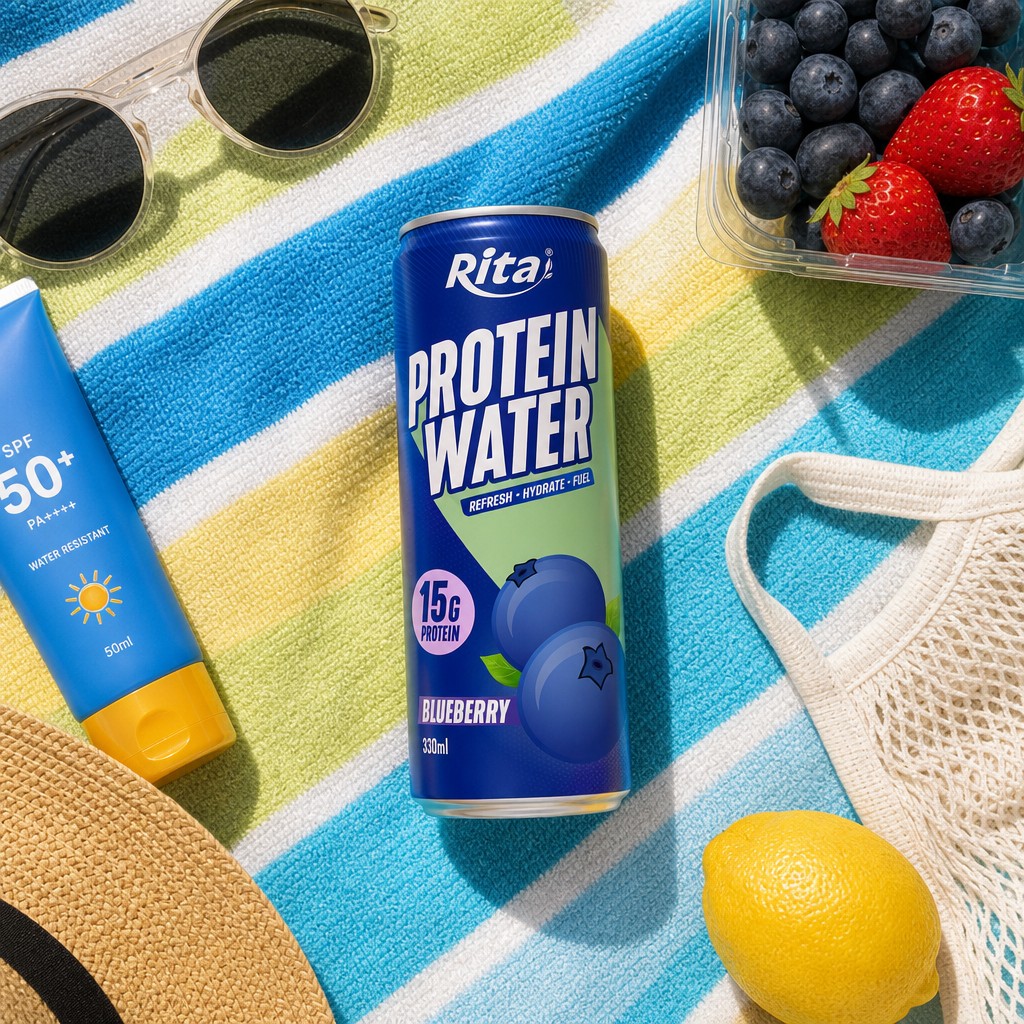
Products like the RITA 15G Protein Water with Blueberry are engineered for this new reality. Packaged in a sleek, portable 330ml aluminum can, it promises a familiar, crisp drinking experience akin to flavored water or light juice, but with a substantial protein payload. This design choice speaks directly to consumers who may be deterred by the texture and preparation required for traditional protein powders or ready-to-drink milky beverages. The blueberry flavor profile adds a layer of fruit-forward appeal, tapping into the enduring popularity of natural berry tastes in the health and wellness aisle.
Market Analysis: Convenience as the New Premium
North America, encompassing the United States and Canada, represents a mature yet dynamic market for functional beverages. Within this landscape, the "better-for-you" category is expanding, with consumers increasingly scrutinizing ingredient labels and seeking out certifications that guarantee quality and safety. The trend moves beyond mere protein content to encompass the entire product experience—from packaging ergonomics to flavor authenticity.
Competitive Landscape and Product Differentiation
In a crowded field, differentiation is paramount. While numerous protein waters exist, the integration of a specific, trusted manufacturing partner can become a key brand advantage. RITA Food and Drink Co., Ltd., established in 2004, brings a formidable reputation as a global OEM/ODM leader to the table. Their capabilities are underscored by an extensive portfolio of international certifications including BRC, FSSC 22000, ISO, and GMP, assuring consistent quality from production to shelf. This infrastructure allows brands to launch products like this protein water with confidence in supply chain reliability and compliance.
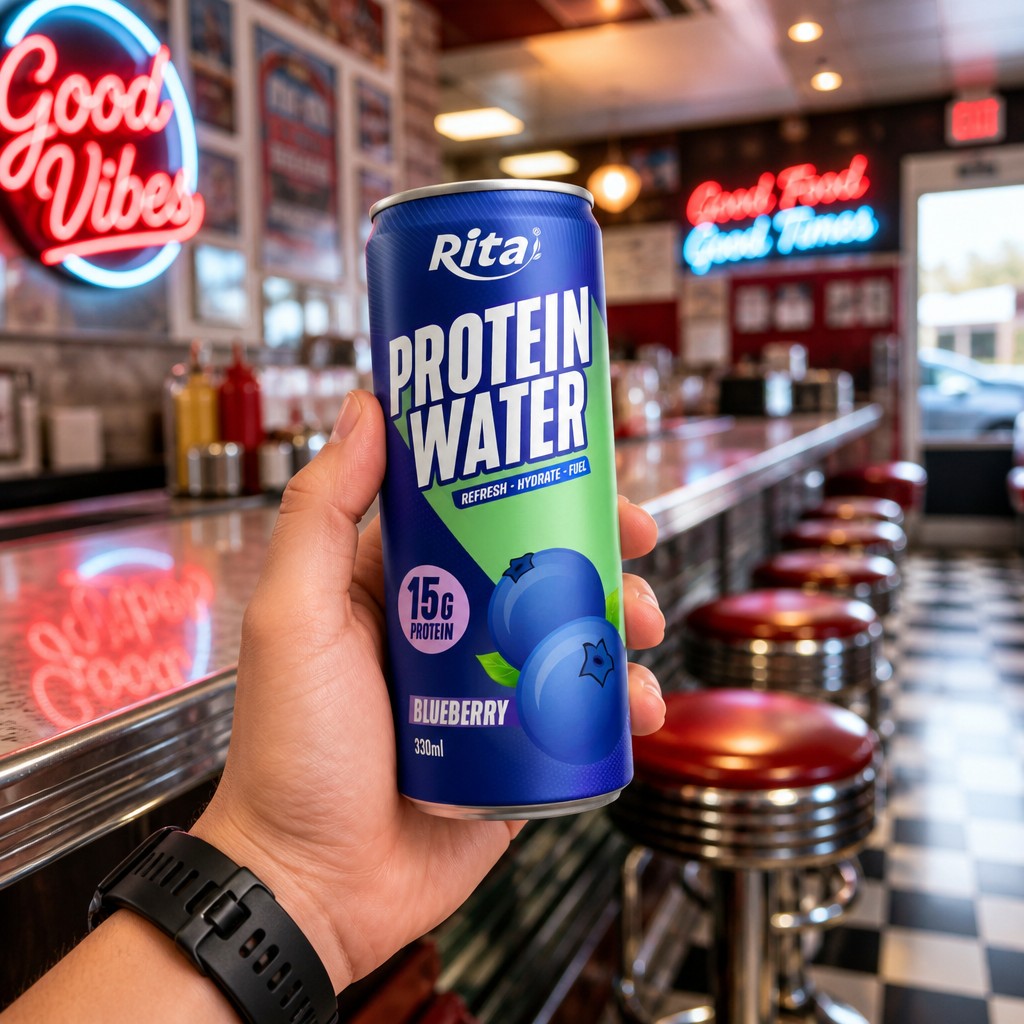
The manufacturing prowess behind the product is significant. RITA operates with over 50 automated production lines and exports more than 1,200 containers monthly to over 200 countries. This scale ensures that a product formulated for North American tastes can be produced with efficiency and precision. For brands, partnering with such a manufacturer mitigates risk and accelerates time-to-market in a competitive category.
Consumer Behavior Drivers and Purchasing Criteria
Purchasing decisions in this segment are influenced by a complex matrix of factors. Taste is the primary gateway; if a protein beverage doesn't deliver a pleasant sensory experience, repeat purchases are unlikely. Secondly, convenience—a factor encompassing portability, ease of use, and no-mess consumption—is non-negotiable for the target demographic. Finally, transparency and trust in the brand and its manufacturing process solidify loyalty.
The RITA 15G Protein Water aligns with these drivers by offering a transparent nutritional profile (approximately 10.5g of protein per serving as per available data) in a format that eliminates preparation time. Its positioning targets not only the hardcore fitness community but also the broader wellness-minded individual seeking a functional beverage for daily routine support. This broadens the addressable market beyond niche athletic circles.
From Concept to Can: The OEM Advantage
The journey from a concept like a "blueberry protein water" to a market-ready product involves intricate development and stringent quality control. This is where the OEM/ODM model provides immense value. Companies like RITA do not merely manufacture; they offer end-to-end solutions from R&D and formulation to packaging design and global logistics.
This partnership model is particularly potent in the functional beverage space, where formulation nuances—like achieving a stable protein blend that doesn't settle or impart a gritty texture—require specialized expertise. RITA's advanced R&D capabilities allow for such formulation fine-tuning to meet specific target market preferences, such as the clean, crisp finish desired by North American consumers. The ability to produce in multiple formats, including the aluminum can used for this product, offers flexibility for brand owners to choose packaging that best aligns with their sustainability goals and retail placement strategies.
Navigating International Quality and Safety Standards
For any product entering the North American market, adherence to regulatory standards is the baseline for entry. A product's certification story becomes part of its marketability. The comprehensive certification suite held by RITA, which includes Halal, Kosher, and globally recognized food safety standards, provides a ready-made assurance framework. This is a critical asset for brands aiming to cater to diverse consumer bases with specific dietary requirements and for streamlining the import process across different North American jurisdictions.
The strategic importance of these credentials cannot be overstated. They signal a commitment to quality that resonates with informed consumers and retail buyers alike. In an environment where brand reputation can be fragile, starting with a manufacturing partner that has already navigated these rigorous international audits provides a significant head start.
Strategic Implications for Brands and Retailers
The introduction of innovative formats like the 15G Protein RITA Protein Water with Blueberry reflects broader market strategies. For private label brands and emerging companies, it demonstrates a viable path to market through experienced partners, reducing the capital expenditure required to build manufacturing facilities from scratch. For retailers, it represents an opportunity to refresh the functional beverage set with products that address clear consumer pain points regarding taste and texture.
Looking at broader industry trends, we see major players like ThaiBev undergoing structural realignment and companies like Biomel pushing plant-based innovations. This environment of change fosters a fertile ground for disruptive products that challenge conventional categories. The protein water segment is a prime example, blurring the lines between sports nutrition, hydration, and everyday wellness beverages. Success will depend on flawless execution—from consistent taste and quality to effective branding that communicates the product's dual benefits of refreshment and protein delivery.
Frequently Asked Questions
What makes protein water different from traditional protein shakes?
Protein water is designed with a lighter, clearer, and more refreshing consistency, similar to flavored water or light juices. This differs significantly from the thicker, creamier, and often milky texture of traditional protein shakes. The format prioritizes a crisp taste profile and quick consumption, making it suitable for a wider range of occasions throughout the day.
How does the aluminum can packaging benefit the product?
The 330ml aluminum can offers several advantages. It is lightweight, highly portable, and resealable, making it ideal for on-the-go consumption. Aluminum also provides excellent barrier properties to protect the beverage's integrity and flavor from light and air, ensuring a consistent taste experience. Furthermore, it is one of the most recyclable packaging materials, aligning with sustainability considerations.
What role do certifications play for a product like this?
International certifications such as BRC, FSSC 22000, ISO, and GMP are critical quality assurance benchmarks. They verify that the manufacturing process adheres to the highest standards of safety, hygiene, and quality control. For products entering the North American market, these certifications help build trust with consumers, facilitate retailer acceptance, and ensure compliance with import regulations.