One product that exemplifies this trend is the 100% natural red grape juice drink in a 325ml sleek can, a format that is gaining traction among importers and distributors seeking to capitalize on the growing demand for premium, on-the-go refreshments.
Key Takeaways
- The market for 100% natural red grape juice drink in a 325ml sleek can is expanding as consumers seek convenient, single-serve beverage options.
- Sleek aluminum cans offer significant logistical and retail advantages, including better space utilization and enhanced shelf presence.
- Vietnam has emerged as a competitive sourcing hub for OEM/ODM beverage production, offering flexible MOQs and fast lead times for products like red grape juice.
- Understanding the nuances of global distribution, from payment terms to certification requirements, is crucial for successful market entry.
The Rise of Single-Serve, Premium Juice Formats
The beverage market is increasingly segmented, with single-serve formats leading growth in many categories. Consumers, particularly in urban centers, are looking for products that fit their busy lifestyles without compromising on quality. The 325ml sleek can is a perfect example of this shift.
Why 325ml Sleek Cans Are Gaining Popularity
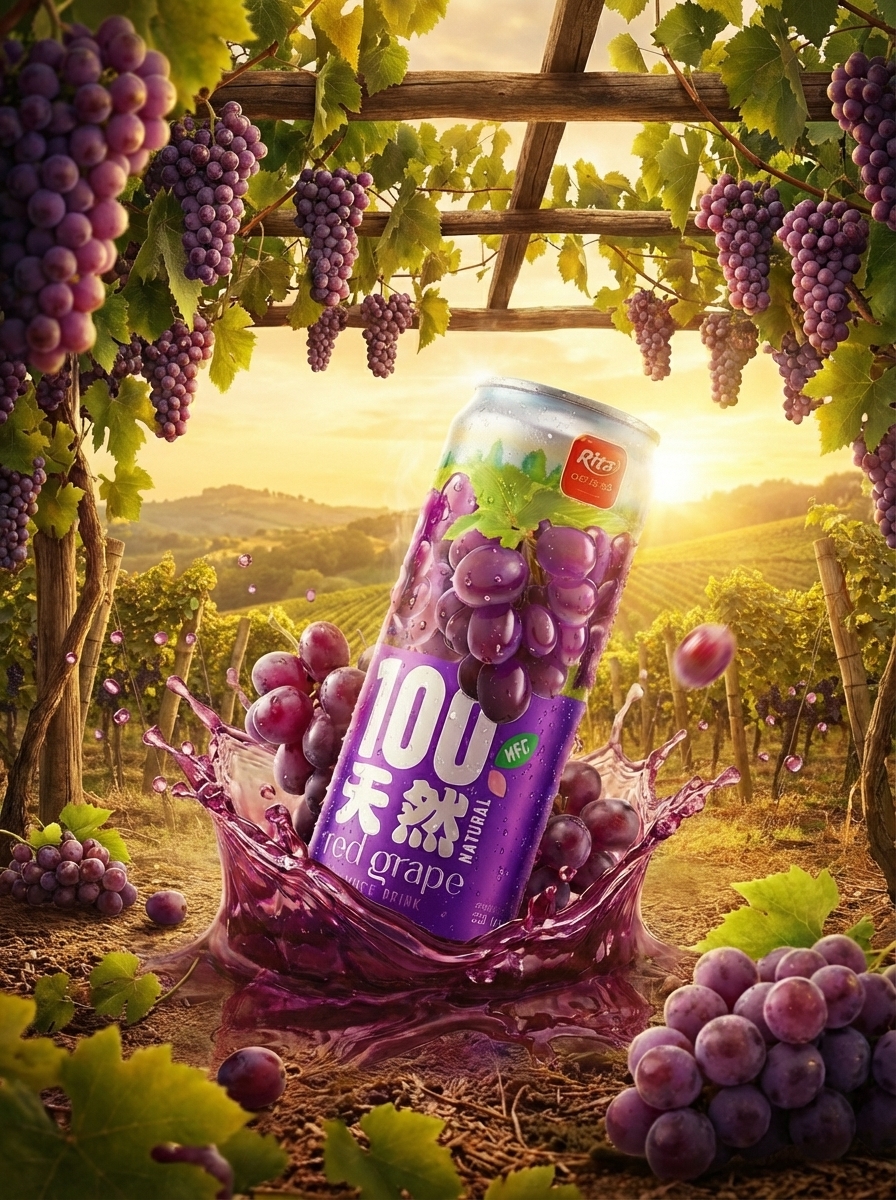
This specific volume and packaging format offers several distinct advantages. The sleek can is taller and slimmer than traditional cans, providing a more modern and premium aesthetic that appeals to younger demographics. Furthermore, its size is ideal for a single serving, reducing waste and making it perfect for consumption in transit, at the office, or as part of a meal. For businesses, the red grape juice in 325ml cans offers a distinct point of difference on retail shelves.
Consumer Demand for Natural and Transparent Ingredients
Today's consumers are more informed than ever. They read labels and seek products with simple, recognizable ingredients. The '100% natural' claim on a red grape juice drink directly addresses this demand for transparency. It moves away from concentrates and added sugars, positioning the product as a straightforward, high-quality option. This trend is not merely a fad; it represents a fundamental shift in how consumers evaluate their food and beverage choices.
Strategic Sourcing: Why Vietnam Is a Key Manufacturing Hub
For importers and distributors, the choice of manufacturing partner is critical. Vietnam has rapidly become a leading export center for beverages, driven by its robust production infrastructure and competitive cost structures. Companies like RITA, with over 20 production lines and a factory size of approximately 30,000 m², exemplify the capacity available in the region.
Flexible MOQ and OEM/ODM Capabilities
One of the primary barriers for new entrants in the beverage market is the high minimum order quantity (MOQ) often required by large manufacturers. However, many Vietnamese producers now offer flexible MOQs, such as 200 cartons per order, making it feasible for smaller distributors and startups to launch their own private label products. The ability to customize formulation, packaging design, and branding through OEM/ODM services is a significant advantage, allowing businesses to create a unique product tailored to their target market.
Production Capacity and Lead Times
Reliability is paramount in the F&B supply chain. Sourcing from a manufacturer with a supply ability of 300 twenty-foot containers per month ensures that large-scale orders can be fulfilled consistently. With a typical delivery time of 20-25 days after order confirmation, importers can plan their inventory efficiently. This speed to market is a competitive edge in a fast-moving industry where trends can change quickly. For those looking to expand their juice portfolio, the natural grape juice in sleek cans represents a timely addition.
Navigating Export Logistics and Payment Terms
Successful international trade in beverages requires careful management of logistics and financial transactions. Understanding the standard practices for exporting from Vietnam is essential for a smooth partnership.
Understanding Payment Terms (L/C and T/T)
Standard payment terms in the beverage export industry typically include Letter of Credit (L/C) and Telegraphic Transfer (T/T). L/C provides security for both buyer and seller, ensuring payment is made upon presentation of required shipping documents. T/T, often used for smaller orders or with established relationships, involves a direct bank transfer. Importers should be prepared to discuss these options with their suppliers to find the best fit for their financial and risk management strategies.
Port of Loading and Shipping Considerations
Most beverage exports from Vietnam are shipped from major ports like Cat Lai Port in Ho Chi Minh City. Understanding the Incoterms, such as FOB (Free on Board), is crucial. The FOB price includes all costs up to loading the goods onto the vessel, after which the buyer assumes responsibility for shipping and insurance. This clarity helps importers accurately calculate their total landed costs. The product's packaging, such as the sleek aluminum can, also influences shipping efficiency due to its stackability and weight.
The Role of Certifications in Global Market Access
For a beverage product to succeed in international markets, it must meet stringent quality and safety standards. Certifications are not just badges of honor; they are often mandatory requirements for market entry. A product like the 100% natural red grape juice drink, which holds certifications such as ISO, HACCP, FDA, HALAL, USDA Organic, and more, is pre-qualified for a wide range of global markets.
Essential Certifications for Importers
Importers should always verify that their supplier holds relevant certifications. For the US market, FDA registration is a must. For Middle Eastern markets, HALAL certification is critical. For the European Union, BRC or FSSC 22000 certifications are often required by major retailers. These certifications demonstrate a commitment to food safety, quality control, and ethical manufacturing practices. They also significantly reduce the burden on the importer, who can trust that the product meets international standards.
How Certifications Support Brand Credibility
Beyond regulatory compliance, certifications build consumer trust. A product that is certified organic or carries a HALAL logo communicates a level of integrity and quality that can justify a premium price point. For distributors looking to build a strong brand, sourcing a product with a comprehensive suite of certifications provides a powerful marketing tool. It also simplifies the process of listing the product with large retail chains that have their own strict supplier requirements. For a broader range of beverage options, explore our energy drink series and chia and basil seed drinks.
Applications in the HORECA Sector
The HORECA (Hotel, Restaurant, Cafe) sector represents a significant sales channel for premium beverages. The sleek 325ml can is particularly well-suited for this environment.
Perfect for On-the-Go and In-Room Dining
For hotels, offering a single-serve, premium red grape juice in the minibar or as part of a breakfast buffet adds a touch of sophistication. The sleek can is easy to store and serve, and its resealable nature (if applicable) or single-use format minimizes waste. For cafes and restaurants, it can be sold as a standalone refreshment or used as a base for mocktails and specialty drinks, offering a consistent, high-quality ingredient.
Merchandising and Shelf Appeal in Food Service
The visual appeal of a sleek can cannot be overstated. In a busy cafe or hotel lobby, a refrigerated display of vibrant, well-designed cans can attract customer attention and drive impulse purchases. The format's modern look aligns well with contemporary interior designs, making it a natural fit for trendy eateries and boutique hotels. This product can serve as a key differentiator in a competitive food service landscape.
Retail and Distribution Strategies for Success
Successfully bringing a new beverage to market requires a well-thought-out distribution strategy. The 100% natural red grape juice drink, with its specific packaging and positioning, is best suited for specific retail channels.
Targeting Health-Conscious Convenience Stores
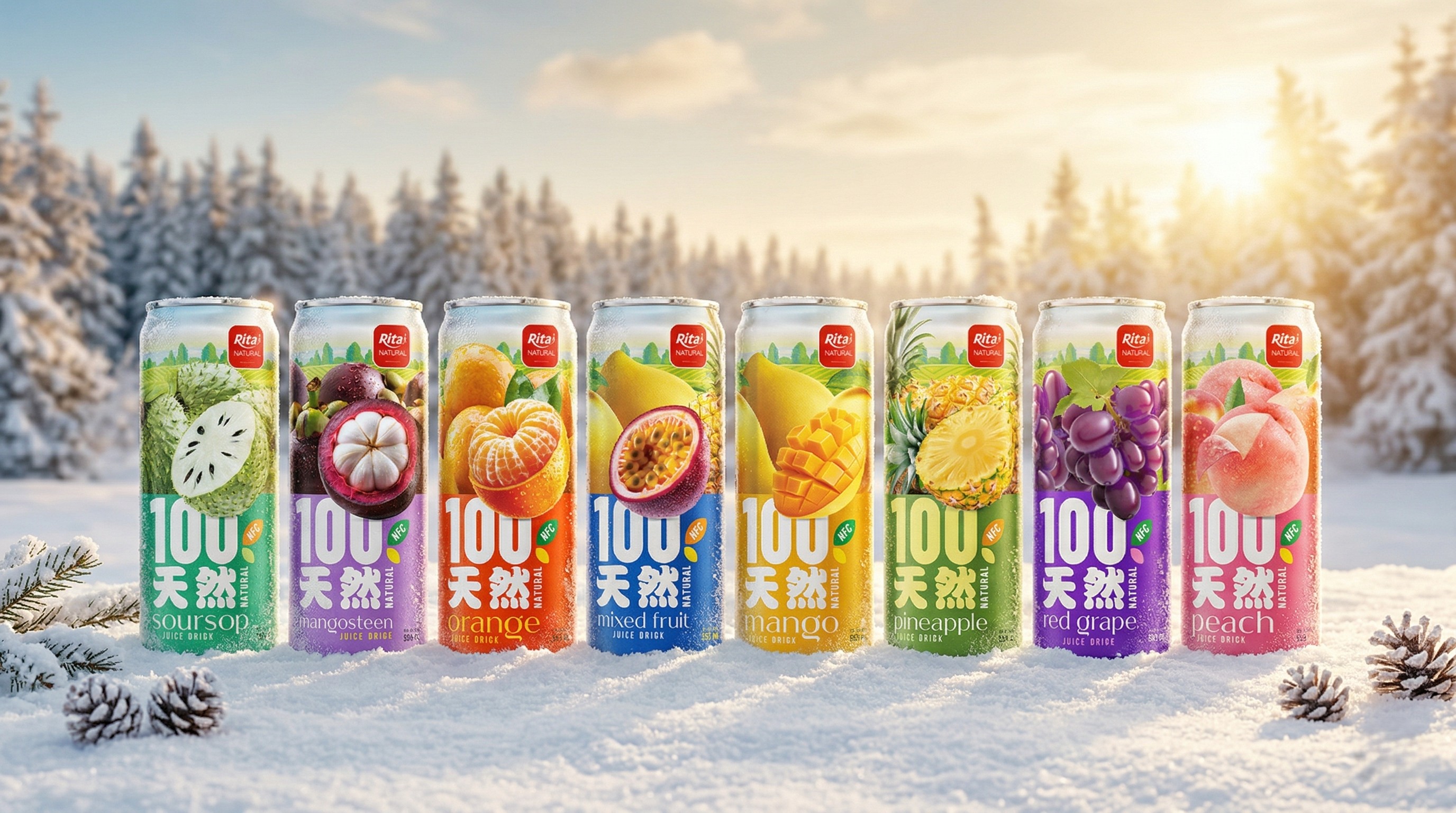
Convenience stores are a primary channel for single-serve beverages. The 325ml can fits perfectly into standard cooler shelves. Distributors should target c-stores in high-traffic urban areas, gyms, and business districts. The product's 'natural' positioning appeals to the health-conscious consumer who is looking for a better-for-you option compared to traditional sodas or sugary juices.
Leveraging Online and Direct-to-Consumer Channels
E-commerce is an increasingly important sales channel for beverages. Subscription models for juice drinks or bulk purchase options can be very effective. Distributors can use online platforms to offer the product directly to consumers or to smaller businesses that may not be serviced by traditional wholesale channels. Clear product photography and detailed descriptions highlighting the natural ingredients and sleek packaging are essential for online success.
Frequently Asked Questions
1. What is the typical shelf life of a 100% natural red grape juice drink in a sleek can?
The typical shelf life for this product is 12 to 24 months from the production date, depending on storage conditions. It should be kept in a cool, dry place away from direct sunlight to maintain its quality and flavor.
2. Can the sweetness or flavor profile of the red grape juice be customized for private label orders?
Yes, most OEM/ODM manufacturers, including those in Vietnam, offer custom formulation services. You can adjust the sweetness, viscosity, and even blend the grape juice with other natural flavors to create a unique product for your brand.
3. What are the minimum order quantity (MOQ) requirements for importing this product?
MOQs can vary, but many manufacturers offer flexible terms. For the 100% natural red grape juice drink, a common MOQ is around 200 cartons per order, which makes it accessible for both established distributors and new market entrants.
4. What certifications should I look for when sourcing this product from Vietnam?
Key certifications include ISO 22000, HACCP, and FDA registration for the US market. For other regions, look for HALAL, USDA Organic, BRC, or FSSC 22000. These certifications ensure the product meets international food safety and quality standards.
5. Is free sample and design support typically available for this product?
Yes, many suppliers offer free samples to evaluate the product quality before placing a bulk order. Additionally, free design support for custom labels and packaging is often included as part of the OEM service, helping you launch your brand with a professional look.