Among the emerging categories, prebiotic soda has captured notable attention, particularly in the carbonated soft drink segment. This shift is not merely a trend but a structural change in how beverages are formulated, packaged, and marketed across international markets.
For businesses involved in beverage sourcing, understanding the intersection of product format and market demand is crucial. The 330ml short can, for instance, has become a preferred packaging solution for many brands entering the functional soda space. Its compact size offers portion control and aligns with on-the-go consumption patterns, making it a strategic choice for retailers and Horeca operators. As the demand for prebiotic soda grows, the role of efficient supply chains and flexible manufacturing partnerships becomes even more critical.
Key Takeaways
- The global prebiotic soda market is expanding rapidly, driven by consumer interest in digestive wellness and clean-label ingredients.
- 330ml aluminum cans offer a competitive packaging solution for importers due to their lightweight, recyclability, and shelf appeal.
- Vietnam has emerged as a key manufacturing hub for carbonated beverages, with suppliers offering scalable production and OEM services.
- Understanding logistics, certification requirements, and minimum order quantities is essential for successful cross-border trade in this category.
- Distributors and wholesalers should evaluate product shelf life, packaging options, and supplier reliability when entering the prebiotic soda segment.
Understanding the Prebiotic Soda Market Landscape
The carbonated soft drink sector has historically been dominated by sugar-laden sodas and diet variants. However, recent years have seen a pivot toward beverages that offer added value without compromising on taste. Prebiotic soda fits this niche perfectly, as it combines the familiar fizzy experience with ingredients that support gut microbiota. This has led to a surge in product launches and retail placements across North America, Europe, and parts of Asia.
Consumer Demographics and Preferences
Millennials and Gen Z are the primary drivers of this shift. These demographics prioritize functional ingredients and transparent labeling. They are also more likely to experiment with new beverage formats, including short cans. The 330ml serving size is particularly appealing because it provides a single-serve option that reduces waste and encourages trial. Importers targeting these consumers should consider product variants with natural flavors and recognizable ingredients.
Retail and Distribution Channels
Prebiotic sodas are finding their way into mainstream grocery chains, specialty health stores, and convenience outlets. The short can format is ideal for cold vaults and shelf displays due to its standardized dimensions. Additionally, the Horeca sector—hotels, restaurants, and cafes—is increasingly incorporating these beverages as mixers or standalone offerings. For example, a strawberry lemon prebiotic soda can be used as a base for mocktails or served directly over ice, providing versatility for foodservice operators.
Packaging Innovation The Role of 330ml Aluminum Cans
Packaging is a critical factor in the success of any beverage product. Aluminum cans offer multiple advantages over glass or plastic, including superior barrier properties against light and oxygen, which helps maintain product quality over time. The 330ml short can, in particular, has become a standard in the industry due to its balance of volume and portability.
Shelf Life and Storage Considerations
Products packaged in aluminum cans typically have a shelf life of up to 24 months when stored under proper conditions. This extended shelf life is a significant benefit for importers and distributors who need to manage inventory across long supply chains. The strawberry lemon prebiotic soda, for instance, benefits from this packaging durability, ensuring that the flavor profile remains consistent from the factory to the end consumer. For more beverage options, you can explore our milk series product catalog.
Customization and Branding Opportunities
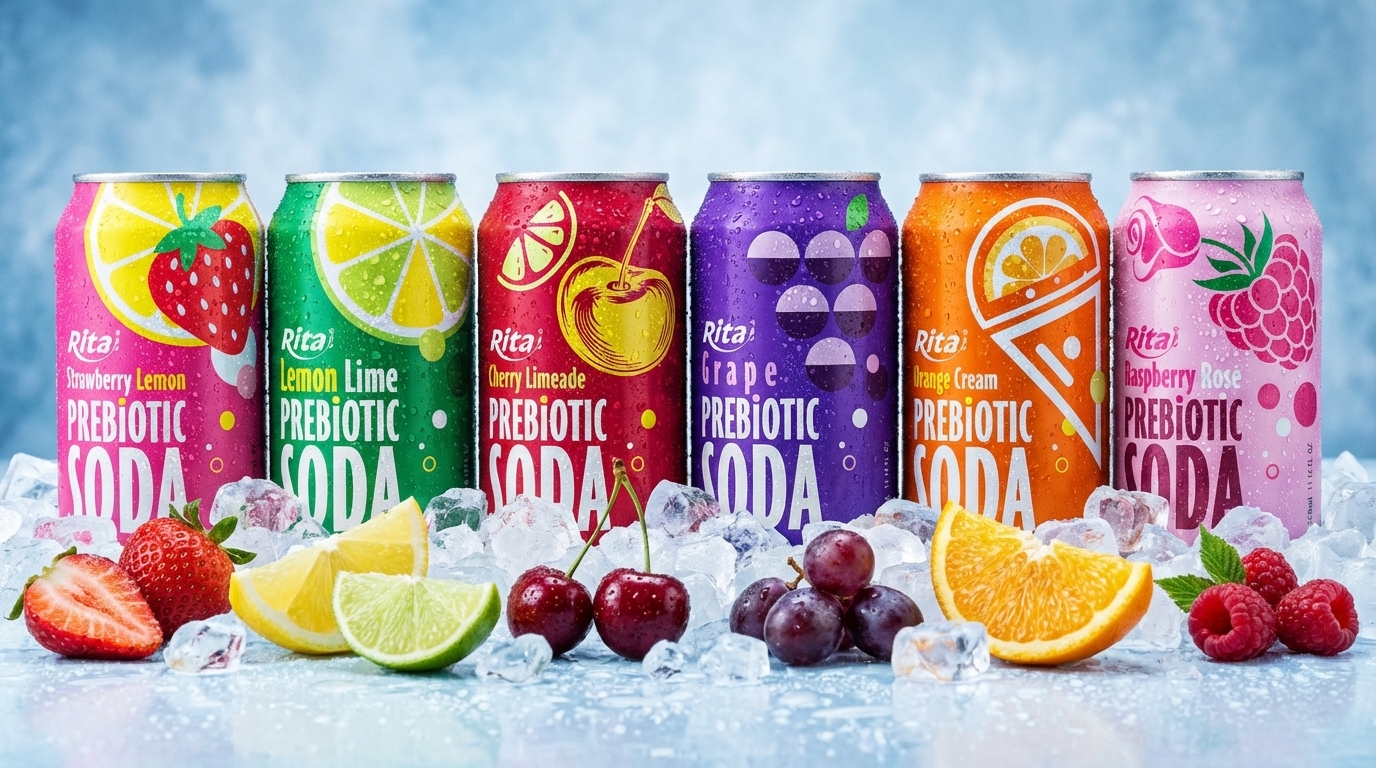
One of the key advantages of working with a manufacturer like RITA is the ability to customize packaging through OEM and ODM services. Importers can request specific can designs, including full-wrap graphics or matte finishes, to differentiate their brand in a crowded market. The 330ml format also allows for easy integration into multi-pack configurations, which are popular in club stores and e-commerce channels.
Sourcing Strategies for Importers and Distributors
For businesses looking to enter the prebiotic soda market, sourcing from a reliable supplier is paramount. Vietnam has become a competitive sourcing destination due to its strong manufacturing infrastructure and favorable trade agreements. The supply ability of up to 600 twenty-foot containers per month for this product category indicates the scale at which production can be ramped up.
Minimum Order Quantities and Payment Terms
Understanding the financial and logistical requirements is essential. The minimum order quantity for this product is 200 cartons per order, which is relatively accessible for mid-sized distributors. Payment terms include L/C and T/T, providing flexibility for international buyers. Delivery time is typically 20–25 days after order confirmation, allowing for efficient inventory planning.
Certifications and Compliance
Products intended for export must meet stringent quality and safety standards. The strawberry lemon prebiotic soda is manufactured in facilities certified with ISO, HACCP, FDA, HALAL, USDA Organic, and other international standards. These certifications are crucial for gaining entry into regulated markets such as the United States, European Union, and Middle East. Importers should always verify that their supplier holds relevant certifications for their target market.
Opportunities in the Horeca Sector
The Horeca channel presents a significant growth opportunity for prebiotic sodas. Restaurants and cafes are constantly seeking new, premium non-alcoholic beverages to offer their patrons. A strawberry lemon flavored soda can be positioned as a refreshing alternative to traditional soft drinks or as a mixer in cocktails.
Application in Beverage Programs
Beverage directors can incorporate this product into their menus in several ways. It can be served chilled on its own, used as a base for sparkling mocktails, or paired with spirits like vodka or gin. The natural flavor profile appeals to consumers who are avoiding artificial sweeteners and high-fructose corn syrup. For businesses looking to expand their beverage lineup, sourcing functional carbonated beverages from a trusted partner ensures consistency and quality.
Training and Menu Integration
Successful integration into Horeca requires staff training on product knowledge and serving suggestions. Suppliers often provide marketing materials and recipe ideas to support their distribution partners. This collaborative approach helps build long-term relationships and drives repeat orders.
Export and Logistics Considerations
Exporting beverages involves navigating complex logistics, including shipping, customs clearance, and documentation. The product is shipped from Cat Lai Port in Ho Chi Minh City, Vietnam, a major hub with connections to global markets. Understanding the nuances of international shipping can help importers avoid delays and additional costs.
Shipping and Container Options
Beverages are typically shipped in twenty-foot or forty-foot containers. The product's packaging in aluminum cans reduces weight compared to glass, lowering freight costs. Additionally, the compact 330ml can size allows for efficient palletization, maximizing container utilization.
Regulatory and Labeling Requirements
Each destination country has specific labeling regulations regarding ingredients, nutritional information, and language requirements. Importers should work closely with their supplier to ensure that labels comply with local laws. Free sample and free design services offered by the manufacturer can help streamline this process, allowing importers to test the product and finalize packaging before committing to large orders.
The Competitive Advantage of Vietnamese Manufacturers
Vietnam has positioned itself as a leading exporter of beverages, thanks to its combination of cost-effective production, skilled labor, and modern facilities. RITA, for example, operates over 20 production lines across a 30,000 m² factory, with a workforce of over 500 employees. This scale enables the company to offer competitive pricing while maintaining high quality standards.
OEM and ODM Capabilities
For importers seeking to launch their own brand, OEM and ODM services are invaluable. Manufacturers can customize formulations, flavor profiles, and packaging designs to meet specific market needs. The flexibility to adjust sweetness, carbonation level, and even viscosity allows importers to create a differentiated product. For more information on our capabilities, visit our about us page.
Supply Chain Reliability
With a supply ability of 600 containers per month for this product line, manufacturers like RITA can handle large-scale orders without compromising on delivery timelines. This reliability is crucial for distributors who need to maintain consistent stock levels across their networks.
Future Trends in Prebiotic Soda
Looking ahead, the prebiotic soda category is expected to continue its upward trajectory. Innovations in flavor combinations, such as strawberry lemon, are likely to expand as manufacturers experiment with botanical extracts and natural sweeteners. The 330ml short can will remain a popular format, but we may also see the introduction of larger multi-serve packs for home consumption.
E-Commerce and Direct-to-Consumer Channels
The rise of online grocery shopping has created new opportunities for beverage brands. Short cans are well-suited for subscription boxes and sample packs, allowing consumers to try multiple flavors. Importers who leverage e-commerce platforms can reach a broader audience and gather valuable consumer insights.
Sustainability and Eco-Friendly Packaging
Aluminum cans are infinitely recyclable, making them an environmentally responsible choice. As consumers become more eco-conscious, the demand for sustainable packaging will only increase. Importers should highlight this aspect in their marketing to appeal to environmentally aware buyers.
Frequently Asked Questions
1. What is the shelf life of this prebiotic soda and how should it be stored?
The typical shelf life of this beverage is 24 months from the production date when stored in a cool, dry place away from direct sunlight. Proper storage ensures the carbonation and flavor quality are maintained throughout the product's lifecycle.
2. Can the product be customized for private label or OEM orders?
Yes, this beverage is available for OEM and ODM partnerships. Importers can customize the formulation, packaging design, and branding to suit their target market. Free sample and free design services are offered to support the development process.
3. What are the minimum order quantities and payment terms?
The minimum order quantity is 200 cartons per order. Payment terms include L/C and T/T, providing flexibility for international buyers. Delivery time is typically 20–25 days after order confirmation.
4. Which certifications does this product hold for export?
The product is manufactured in facilities certified with ISO, HACCP, FDA, HALAL, USDA Organic, and other international standards. These certifications facilitate entry into regulated markets worldwide.
5. How is the product shipped and what is the supply capacity?
The product is shipped from Cat Lai Port in Ho Chi Minh City, Vietnam. The supply ability is up to 600 twenty-foot containers per month, ensuring scalability for large orders.