A notable example gaining traction among importers and distributors is the natural mixed fruit juice in cans, which offers a practical solution for businesses looking to cater to health-conscious consumers without compromising on portability or shelf stability. This article explores the market dynamics, supply chain considerations, and strategic opportunities surrounding this product category, providing actionable insights for F&B professionals.
Key Takeaways
- The demand for natural mixed fruit juice in cans is rising globally, driven by convenience and a preference for transparent ingredient labels.
- Vietnam has emerged as a competitive sourcing hub for canned fruit juice, offering scalable production capacity and flexible OEM partnerships.
- Understanding packaging specifications, shelf life, and minimum order quantities is crucial for importers and distributors entering this segment.
- The 325ml sleek can format is particularly well-suited for horeca channels, vending machines, and retail singles.
- Certifications such as ISO, HACCP, and HALAL are key differentiators for suppliers targeting international markets.
The Rise of Natural Mixed Fruit Juice in the Global Beverage Market
Consumer awareness around ingredients has never been higher. Shoppers are increasingly scrutinizing labels, seeking products with recognizable components and minimal processing. This trend has fueled growth in the natural juice segment, where products like mixed fruit juice in 325ml cans are finding their place. Unlike traditional juice drinks that may contain added sugars or artificial flavors, natural variants appeal to a demographic that prioritizes authenticity.
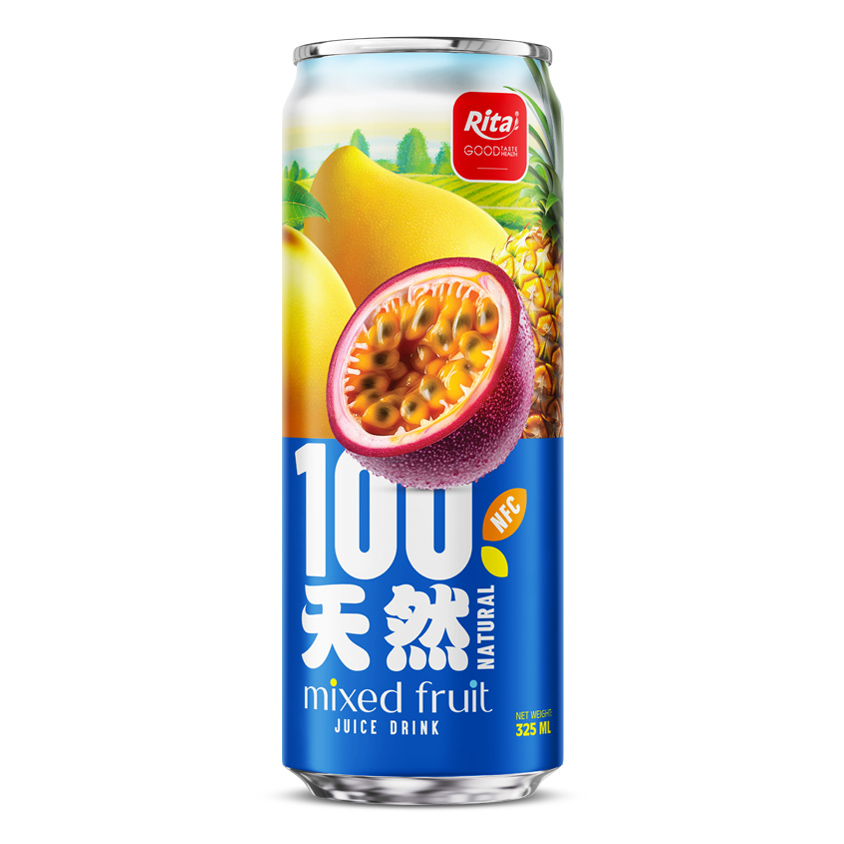
According to recent market analyses, the global fruit juice market is projected to maintain steady growth, with canned formats capturing an increasing share. The portability of aluminum cans, combined with their ability to preserve flavor and freshness for up to 24 months, makes them a preferred choice for both manufacturers and retailers. For businesses operating in regions with limited cold chain infrastructure, this extended shelf life reduces spoilage risk and simplifies logistics.
Consumer Behavior and the Shift Toward Transparent Labels
Modern consumers are more educated and skeptical than previous generations. They demand clarity about what goes into their beverages. This has led to a surge in demand for products with simple, natural ingredient lists. The term "natural" on a label can significantly influence purchasing decisions, particularly among millennials and Gen Z. However, it is important to note that this article does not make health claims; rather, it observes the market preference for products perceived as less processed.
Retailers and distributors are responding by expanding their offerings of natural fruit juice drinks. The sleek can format, with its modern aesthetic, further enhances shelf appeal. For importers looking to differentiate their portfolios, sourcing a natural mixed fruit juice drink from a reliable manufacturer can be a strategic move.
Vietnam as a Strategic Sourcing Hub for Canned Fruit Juice
Vietnam has rapidly established itself as a major player in the global beverage export market. The country's favorable climate for fruit cultivation, coupled with significant investments in manufacturing infrastructure, has enabled local producers to compete on quality and scale. Companies like Rita, with over 20 modern production lines and a factory size exceeding 30,000 square meters, exemplify this capability. With a workforce of more than 500 employees and a monthly output capacity of approximately 1,200 containers, Vietnamese manufacturers can fulfill large-scale orders efficiently.
For international buyers, Vietnam offers several advantages. The labor cost is competitive, and the government provides incentives for export-oriented industries. Additionally, the proximity to major shipping ports, such as Cat Lai Port in Ho Chi Minh City, facilitates timely delivery. The ability to supply up to 300 twenty-foot containers per month for specific products demonstrates the scalability available to importers.
OEM and Private Label Opportunities for Beverage Importers
One of the most attractive aspects of sourcing from Vietnam is the flexibility in OEM and ODM partnerships. Manufacturers like Rita provide full-service private label solutions, including custom formulation, brand development support, and packaging design assistance. This allows importers to create a unique product without investing in their own production facilities. The minimum order quantity for the natural mixed fruit juice 325ml can is set at 200 cartons per order, making it accessible for both emerging brands and established distributors testing new markets.
Customization extends beyond the liquid itself. Buyers can choose from various packaging options, including aluminum cans in sizes like 200ml, 250ml, 320ml, 330ml, and 500ml. For the 325ml sleek can, the aluminum material provides excellent protection against light and oxygen, preserving the product's quality over its 24-month shelf life. Payment terms such as L/C and T/T are standard, and free samples with free design services are often offered to facilitate decision-making.
Distribution Channels and Market Applications for Canned Fruit Juice
The versatility of canned fruit juice makes it suitable for multiple distribution channels. Retail outlets, including supermarkets and convenience stores, benefit from the product's long shelf life and stackable packaging. The sleek can design is particularly popular in premium retail settings, where aesthetics matter. Additionally, the horeca sector—hotels, restaurants, and cafes—has shown growing interest in single-serve canned beverages. These establishments value the portion control and reduced waste that individual cans provide.
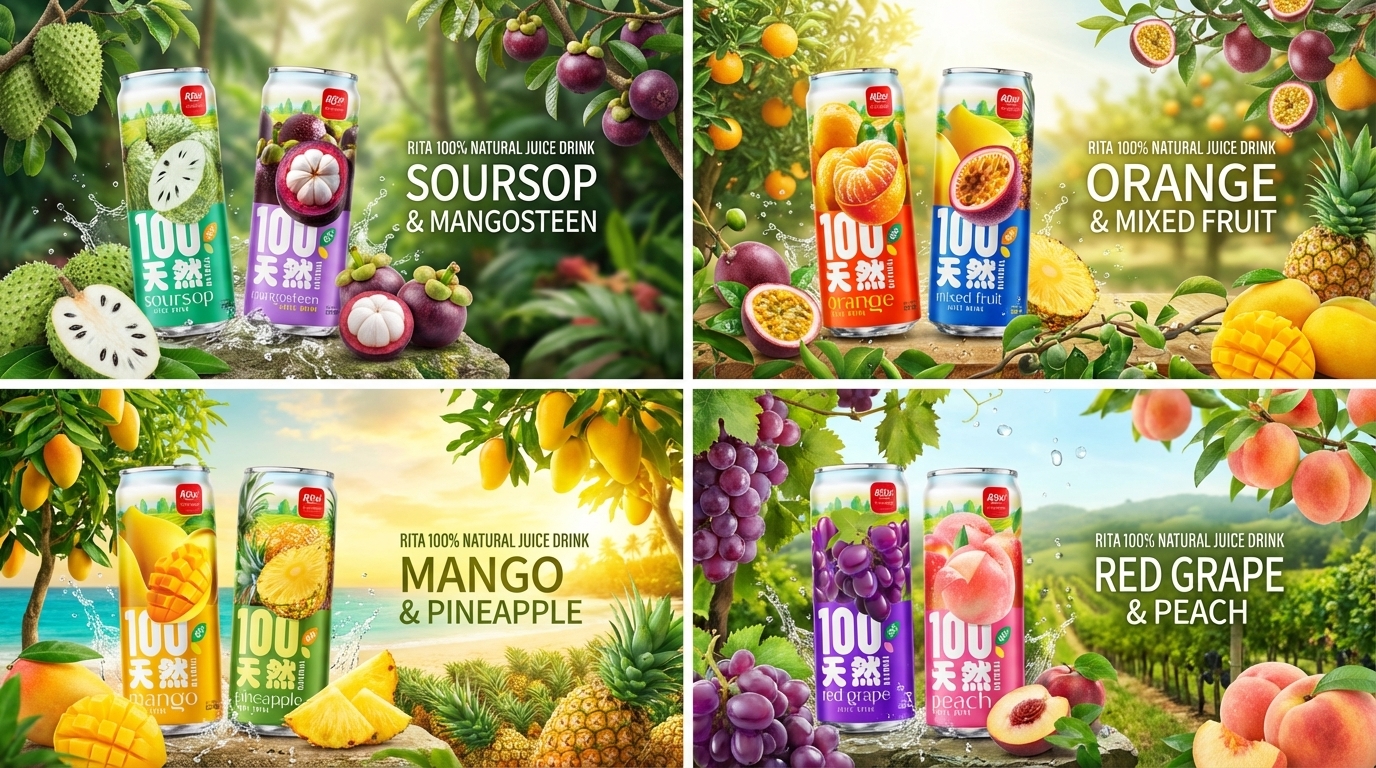
Vending machines represent another high-potential channel. In many urban areas, consumers seek quick, refreshing options during their commutes. A 325ml can is an ideal size for this purpose, offering enough volume to satisfy thirst without being overly heavy. For distributors, the key is to ensure consistent supply and competitive pricing. The FOB price for this product is typically negotiable, and buyers are encouraged to contact suppliers directly for quotes.
Export Logistics and Supply Chain Considerations
When sourcing from Vietnam, understanding the logistics is essential. The standard delivery time after order confirmation is 20 to 25 days, which is competitive compared to other Asian manufacturing hubs. Products are shipped from Cat Lai Port, one of the busiest ports in Vietnam, with established routes to North America, Europe, and the Middle East. The supply ability of 300 twenty-foot containers per month for this specific product ensures that even large orders can be fulfilled without significant delays.
Certifications play a crucial role in facilitating international trade. The product in question holds multiple certifications, including ISO, HACCP, FDA, HALAL, USDA Organic, and others. These accreditations assure buyers of the product's compliance with global food safety standards. For importers targeting specific markets, such as the Middle East or Europe, HALAL or organic certifications can be a decisive factor.
Competitive Landscape and Strategic Positioning
The canned fruit juice market is competitive, with players from various regions vying for shelf space. Vietnamese manufacturers differentiate themselves through a combination of scale, cost efficiency, and quality control. Rita, for instance, adheres to strict quality systems and avoids harmful chemicals, ensuring that the final product meets international expectations. The company's strong R&D capability allows it to innovate continuously, adapting formulations to suit different palates.
For businesses looking to enter this space, the key is to partner with a supplier that offers more than just a product. A strategic manufacturing partner can provide insights into market trends, assist with regulatory compliance, and offer flexible payment terms. The ability to provide free samples and design services reduces the risk for buyers, allowing them to test the market before committing to large volumes.
Future Trends in the Natural Fruit Juice Segment
Looking ahead, several trends are likely to shape the trajectory of natural fruit juice drinks. The rise of e-commerce and direct-to-consumer models presents new opportunities for brands to reach customers without relying solely on traditional retail. Subscription services for beverages are also gaining popularity, particularly among younger demographics. Additionally, the demand for sustainable packaging is pushing manufacturers to explore recyclable materials, and aluminum cans are already a strong contender in this regard.
Another emerging trend is the fusion of fruit juices with other ingredients, such as herbs or spices, to create unique flavor profiles. While this article does not endorse any specific product, it is worth noting that the flexibility of OEM production allows for such experimentation. Importers can work with manufacturers to develop exclusive blends that cater to local tastes, thereby building a competitive edge in their home markets.
Conclusion
The global appetite for natural mixed fruit juice in cans is a reflection of broader shifts in consumer behavior toward convenience, transparency, and authenticity. For importers, distributors, and F&B businesses, Vietnam offers a compelling sourcing destination with its robust manufacturing capabilities, flexible OEM services, and competitive pricing. The 325ml sleek can format, with its extended shelf life and modern design, is well-positioned to capture market share across retail, horeca, and vending channels. By understanding the logistics, certifications, and customization options available, businesses can make informed decisions that align with their strategic goals. For more beverage options, visit Rita's company profile to explore their full range of products and partnership opportunities.
Frequently Asked Questions
1. What is the shelf life of the 325ml sleek can fruit juice and how should it be stored?
The product has a shelf life of 24 months from the production date when stored in a cool, dry place away from direct sunlight. No refrigeration is required, making it suitable for various distribution channels.
2. What are the minimum order quantities and payment terms for this product?
The minimum order quantity is 200 cartons per order. Payment terms include L/C (Letter of Credit) and T/T (Telegraphic Transfer), which are standard for international trade transactions.
3. Can this product be customized for private label or OEM orders?
Yes, the product is available for OEM and ODM partnerships. Buyers can customize the formulation, packaging design, and branding. Free samples and free design services are typically offered to facilitate the process.
4. What certifications does this product hold for export?
The product holds multiple certifications including ISO, HACCP, FDA, HALAL, USDA Organic, and others, ensuring compliance with international food safety and quality standards for various target markets.
5. What is the typical delivery time and shipping port for orders?
Delivery time is 20 to 25 days after order confirmation. Products are shipped from Cat Lai Port in Ho Chi Minh City, Vietnam, which offers established routes to major global destinations.