This shift has propelled the functional soda segment, particularly prebiotic beverages, into the spotlight. For importers, distributors, and F&B businesses, understanding this trend is no longer optional—it is essential for staying competitive in a rapidly evolving market.
One product that exemplifies this shift is the prebiotic soda offered in a 330ml short can format. This article explores the market dynamics, supply chain considerations, and export opportunities surrounding this category, providing actionable insights for industry professionals.
Key Takeaways
- The global prebiotic soda market is expanding rapidly, driven by consumer demand for functional beverages with natural ingredients.
- Vietnam has emerged as a key manufacturing hub for functional carbonated beverages, offering competitive pricing and scalable production.
- Understanding packaging formats like the 330ml aluminum can is crucial for retail and HORECA distribution strategies.
- OEM and ODM partnerships allow businesses to customize formulations and branding, reducing time-to-market.
- Compliance with international certifications such as ISO, HACCP, and FDA is a prerequisite for successful export.
The Rise of Prebiotic Soda in the Global Beverage Market
The carbonated soft drink sector, long dominated by sugar-laden colas, is experiencing a paradigm shift. According to recent industry reports, sales of functional sodas—including those with prebiotics—have grown by over 20% annually in key markets like North America and Europe. This growth is fueled by a combination of factors: heightened awareness of gut health, a preference for low-sugar options, and a demand for clean-label products.
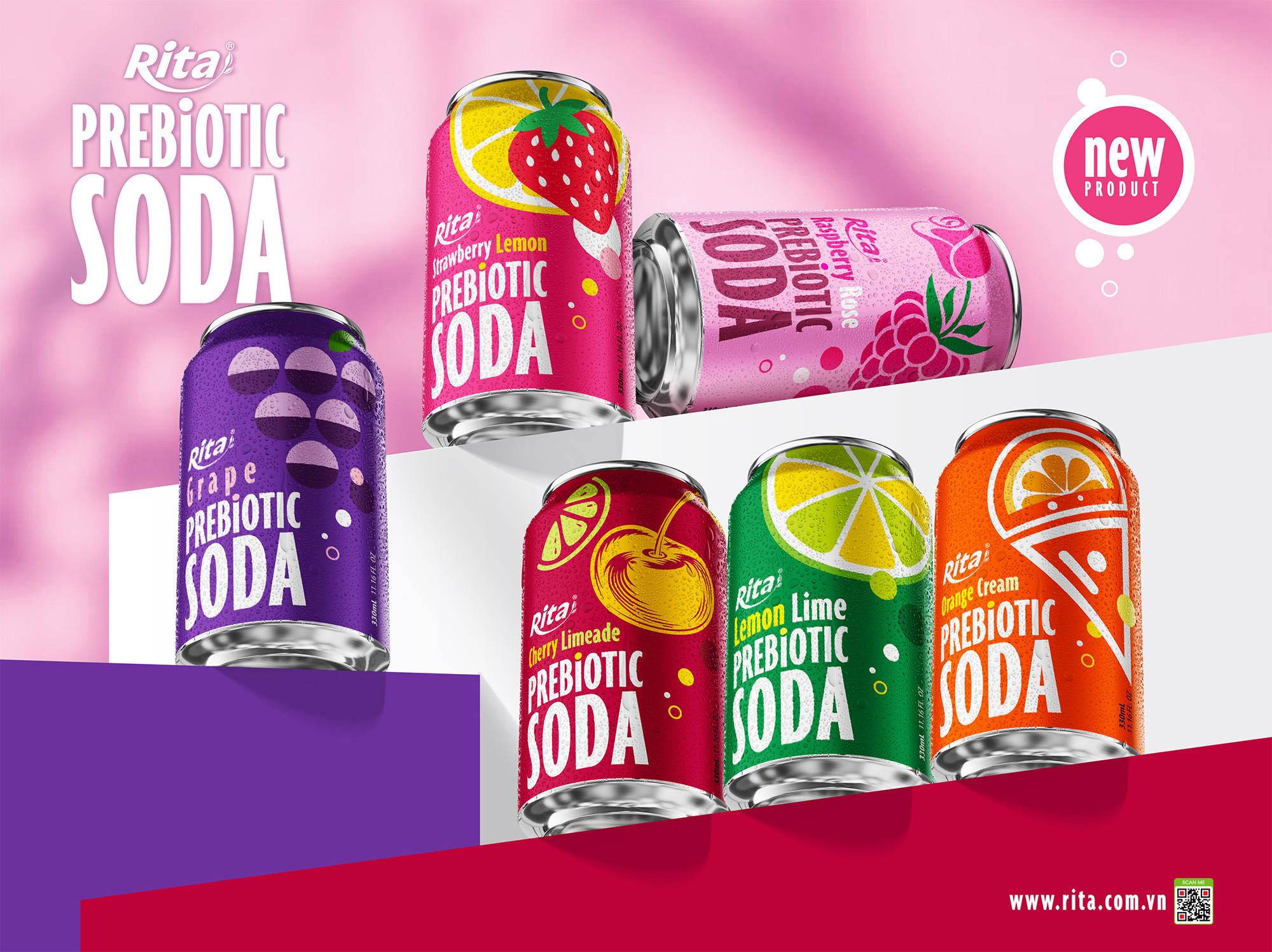
Prebiotic sodas, which contain dietary fibers that support beneficial gut bacteria, have carved out a niche that bridges the gap between indulgence and wellness. They offer the familiar fizzy, sweet experience of soda but with a functional twist. For distributors, this means a product that appeals to both health-conscious consumers and those simply looking for a better-tasting alternative to diet drinks.
Consumer Behavior Driving the Shift
Modern consumers are more informed than ever. They read labels, question ingredients, and seek transparency. This has led to a rejection of artificial sweeteners, high-fructose corn syrup, and synthetic flavors. Prebiotic sodas, often sweetened with natural sources like stevia or monk fruit, align perfectly with this clean-label demand. The cherry limeade flavor, for instance, combines the tartness of lime with the sweetness of cherry, creating a profile that feels both familiar and sophisticated.
Retailers in the United States and Europe have responded by dedicating more shelf space to functional beverages. Major chains now carry multiple brands of prebiotic soda, often priced at a premium compared to standard sodas. This premium positioning benefits importers who can source high-quality products at competitive factory prices from manufacturing partners in Vietnam.
Vietnam as a Strategic Sourcing Destination for Prebiotic Soda
Vietnam has quietly become a powerhouse in beverage manufacturing. With over 20 modern production lines and a factory footprint exceeding 30,000 square meters, manufacturers like RITA are capable of producing up to 600 twenty-foot containers per month. This scale, combined with a skilled workforce of over 500 employees, allows for efficient production of a wide range of beverages, including prebiotic sodas.
The supply chain advantages are compelling. FOB pricing from Cat Lai Port in Ho Chi Minh City is highly competitive, with lead times of just 20–25 days after order. Minimum order quantities are flexible—starting at 200 cartons—making it accessible for both established distributors and beverage startups looking to test new markets. Additionally, a 24-month shelf life ensures that products remain viable during long shipping routes and extended warehousing periods.
Production Capabilities and Certifications
When evaluating a supplier, certifications are non-negotiable. Vietnamese manufacturers catering to global markets typically hold multiple certifications, including ISO, HACCP, FDA, HALAL, USDA Organic, and EU Organic. These certifications guarantee that production facilities adhere to strict food safety and quality control standards. For importers, this reduces the risk of regulatory hurdles and ensures compliance with local import regulations.
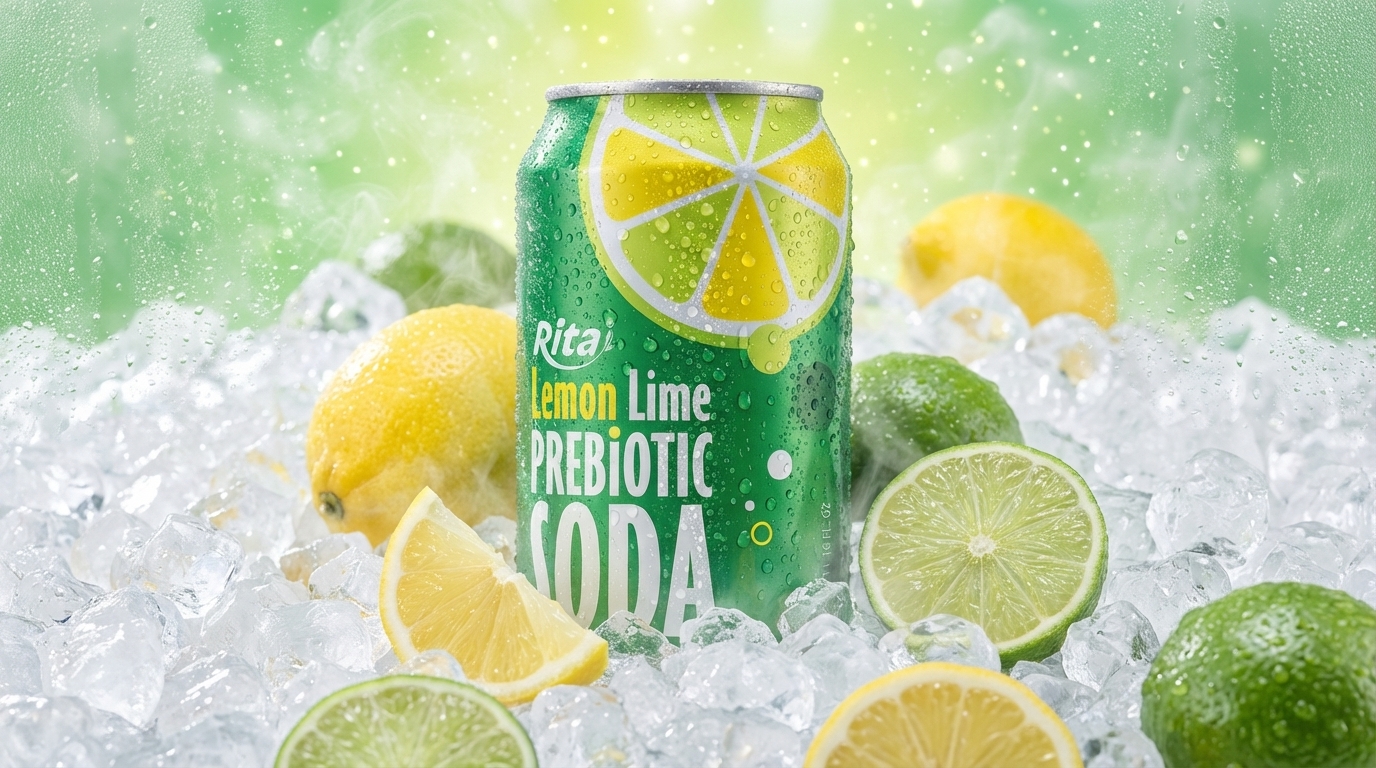
For example, a soda in 330ml aluminum cans from Vietnam can be exported to the United States with confidence, provided the supplier has FDA registration and follows Good Manufacturing Practices (GMP). The same applies to European markets, where BRC and FSSC 22000 certifications are often required.
Packaging Innovations: The 330ml Short Can Advantage
Packaging plays a critical role in the success of any beverage product. The 330ml aluminum can is a popular choice for several reasons. First, aluminum is infinitely recyclable, aligning with consumer preferences for sustainable packaging. Second, the can format protects the product from light and oxygen, preserving carbonation and flavor integrity over the 24-month shelf life. Third, the short can design is ergonomic and visually appealing, fitting easily into retail shelves, coolers, and vending machines.
For the HORECA sector (hotels, restaurants, cafes), the 330ml can is ideal for single-serve consumption. It reduces waste and simplifies inventory management. Many coffee shops and fast-casual restaurants now offer prebiotic sodas as a non-alcoholic beverage option, often featuring them in combination with meal deals or as standalone refreshments.
Customization Through OEM and ODM Services
One of the biggest advantages of sourcing from a Vietnamese manufacturer is the availability of OEM and ODM services. Businesses are not limited to a single flavor or design. They can customize the formulation—adjusting sweetness, carbonation level, and flavor intensity—to suit local palates. Branding and packaging design can also be tailored, allowing for a unique market entry.
For example, a distributor targeting the European market might request a formulation with reduced sugar and a specific fruit flavor blend, while a brand launching in the Middle East may require HALAL certification and Arabic-language labeling. Manufacturers with strong R&D capabilities can accommodate these requests, often providing free samples and free design support to facilitate the process.
Export Opportunities and Market Entry Strategies
The global demand for prebiotic sodas is not uniform. While North America and Western Europe are mature markets, growth is accelerating in Asia-Pacific, the Middle East, and Latin America. For Vietnamese exporters, this opens multiple avenues for expansion. The key is to identify markets where functional beverages are gaining traction and where regulatory frameworks are favorable.
One growing segment is the private label market. Many retailers and grocery chains are launching their own lines of functional beverages, seeking reliable OEM partners. A manufacturer with a robust supply ability—such as 600 containers per month—can meet the volume requirements of even the largest chains. Additionally, the ability to supply multiple packaging formats (cans, PET bottles, glass bottles) allows importers to diversify their product range without switching suppliers.
Logistics and Payment Considerations
Export success depends on more than just product quality. Logistics and payment terms are equally important. Typical payment terms for Vietnamese exporters include L/C (Letter of Credit) and T/T (Telegraphic Transfer), both of which offer security for international transactions. Shipping from Cat Lai Port provides access to major shipping routes, with transit times to the US West Coast of approximately 15–20 days.
Importers should also consider the cost of duties and tariffs. Many countries offer preferential tariff rates under free trade agreements (FTAs). Vietnam is a signatory to several FTAs, including the CPTPP and the EU-Vietnam FTA, which can reduce or eliminate import duties on beverage products. This makes Vietnamese-sourced prebiotic sodas even more cost-competitive.
Retail and Distribution Strategies for Prebiotic Soda
Successfully bringing a prebiotic soda to market requires a well-planned distribution strategy. The product's positioning as a premium functional beverage means it should be placed in channels that attract health-conscious consumers. This includes specialty health food stores, upscale grocery chains, and online platforms like Amazon and Thrive Market.
In the HORECA channel, partnerships with coffee shops and juice bars can be particularly effective. Many cafes are expanding their non-coffee beverage menus, and a cherry limeade prebiotic soda offers a unique, non-alcoholic option that appeals to customers looking for something different. Restaurants can also use it as a mixer for mocktails or as a standalone refreshment.
Pricing and Margin Considerations
Importers should factor in the cost of goods, shipping, duties, and marketing when setting retail prices. Given the premium nature of prebiotic sodas, retail prices are typically 20–40% higher than standard sodas. This provides healthy margins for distributors and retailers, especially when sourced at competitive FOB prices from Vietnam.
For businesses looking to enter the market with a lower risk, starting with a minimum order quantity of 200 cartons allows for a test launch. If the product performs well, scaling up is seamless thanks to the manufacturer's high supply capacity.
Future Outlook: The Role of Prebiotic Sodas in the Beverage Industry
Looking ahead, the prebiotic soda category is expected to continue its upward trajectory. As consumers become more ingredient-savvy, the demand for beverages that offer both taste and functional benefits will only grow. Manufacturers that invest in R&D, maintain high quality standards, and offer flexible OEM services will be best positioned to capture this demand.
For importers and distributors, the message is clear: the time to act is now. By partnering with a reliable Vietnamese manufacturer, businesses can bring a competitive product to market quickly and cost-effectively. The combination of a proven flavor profile like cherry limeade, a sustainable packaging format, and a strong supply chain makes prebiotic soda a smart addition to any beverage portfolio.
For those interested in exploring a broader range of beverage options, the soft drinks product catalog offers additional insights into available flavors and formats. Similarly, the coconut-based beverages category provides an alternative for businesses looking to diversify into plant-based functional drinks.
Frequently Asked Questions
1. What is the typical shelf life of a prebiotic soda in a 330ml aluminum can?
The typical shelf life is 24 months from the production date when stored in a cool, dry place away from direct sunlight. The aluminum can packaging helps preserve carbonation and flavor integrity throughout this period.
2. Can I customize the flavor and sweetness level of prebiotic soda for my brand?
Yes, most Vietnamese OEM/ODM manufacturers offer customization services. You can adjust the flavor profile, sweetness level, and carbonation to match your target market's preferences. Free samples are often provided for testing before committing to a full order.
3. What are the minimum order quantities (MOQ) for importing prebiotic soda from Vietnam?
MOQ typically starts at 200 cartons per order, making it accessible for both small-scale test launches and larger distribution deals. Higher volumes can be negotiated based on supply ability, which can reach up to 600 containers per month.
4. What certifications should I look for when sourcing prebiotic soda from Vietnam?
Look for certifications such as ISO, HACCP, FDA, HALAL, USDA Organic, and EU Organic. These ensure that the product meets international food safety and quality standards, which is critical for customs clearance and consumer trust in export markets.
5. What payment terms are commonly used for beverage exports from Vietnam?
Common payment terms include L/C (Letter of Credit) and T/T (Telegraphic Transfer). Both offer security for international transactions. FOB pricing is typically quoted, with shipment from Cat Lai Port in Ho Chi Minh City.