One product that has captured the attention of international buyers is the Grape Flavor Prebiotic Soda, a beverage that exemplifies how innovation in formulation and packaging can align with market demands. This article explores the broader market dynamics, consumer behavior, distribution strategies, and export opportunities surrounding this product category, providing valuable insights for importers, distributors, wholesalers, and F&B businesses.
Key Takeaways
- The global demand for prebiotic sodas is expanding as consumers seek functional beverages without health claims.
- Vietnam has emerged as a key manufacturing hub for Grape Flavor Prebiotic Soda 330ml Short Can, offering competitive pricing and large-scale production.
- Packaging in 330ml aluminum cans provides logistical advantages for export and retail, including longer shelf life and recyclability.
- OEM and ODM partnerships allow businesses to customize this prebiotic soda for local markets, from flavor profiles to branding.
- Understanding MOQ, payment terms, and certification requirements is critical for successful import and distribution of prebiotic soda from Vietnam.
The Rise of Prebiotic Sodas in the Global Beverage Market
The carbonated soft drink segment, long dominated by traditional sodas high in sugar, is experiencing a paradigm shift. Consumers are increasingly gravitating toward beverages that offer perceived value beyond simple taste, such as those containing prebiotics. These ingredients, typically fibers that feed beneficial gut bacteria, have become a key selling point for modern sodas without requiring explicit health claims. The Grape Flavor Prebiotic Soda 330ml Short Can fits squarely into this trend, appealing to a demographic that prioritizes ingredient transparency and functional benefits.
Consumer Behavior Driving the Shift
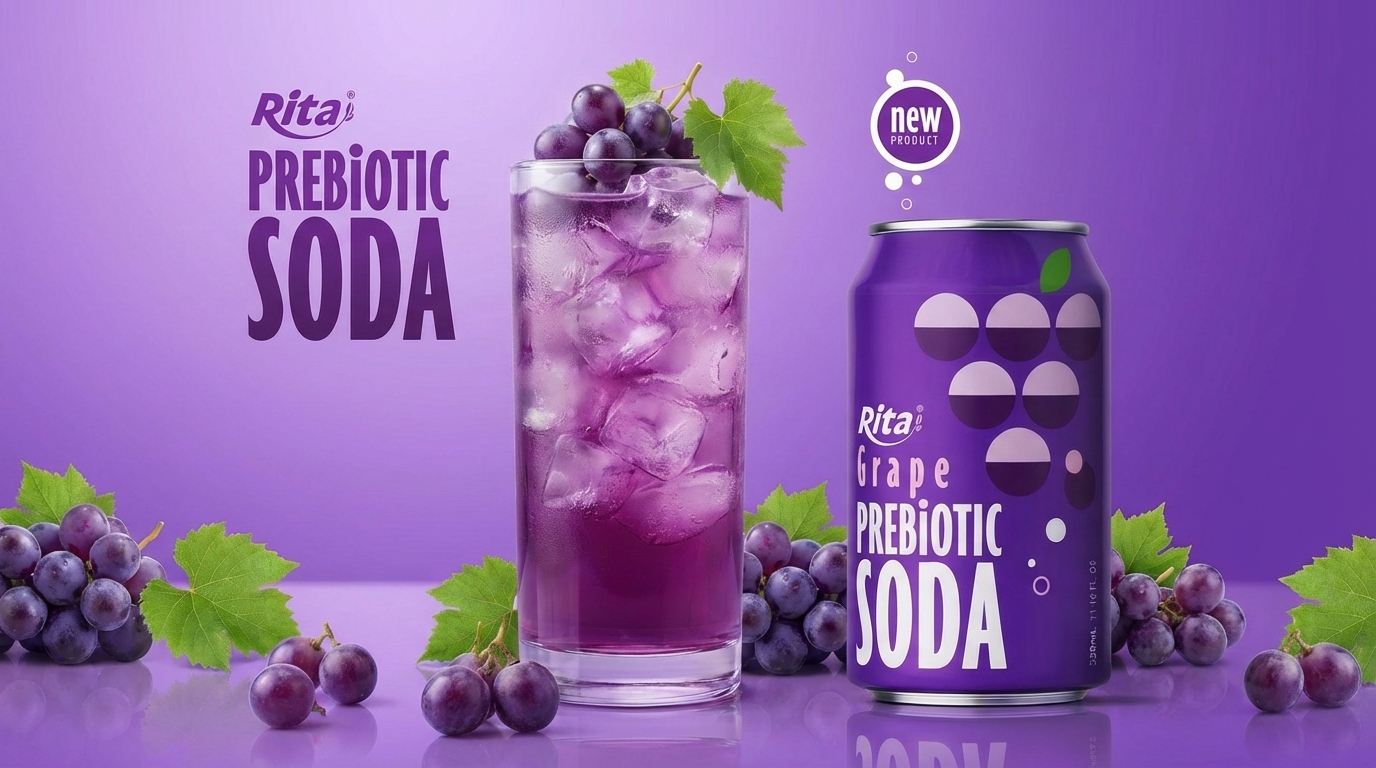
Modern consumers, particularly millennials and Gen Z, are more informed and skeptical of traditional marketing. They read labels, seek out products with recognizable ingredients, and prefer beverages that align with their lifestyle choices. Prebiotic sodas, such as the grape-flavored variant, cater to this demand by offering a familiar soda experience with added digestive support. This shift is not limited to health-conscious individuals; it also includes those looking for alternatives to sugary drinks without sacrificing taste. For distributors, understanding this behavioral change is crucial for positioning prebiotic soda effectively in retail and Horeca channels.
Market Size and Growth Projections
According to industry reports, the global functional beverage market is projected to grow at a compound annual growth rate (CAGR) of over 8% through 2030, with prebiotic sodas representing a rapidly expanding niche. The convenience of 330ml aluminum cans makes this product ideal for on-the-go consumption, a key driver in urban markets. For importers, sourcing prebiotic soda from Vietnam, where production costs are lower, offers a competitive edge in pricing while maintaining quality standards.
Why Vietnam Is Becoming a Hub for Prebiotic Soda Production
Vietnam has established itself as a major player in the global beverage export market, thanks to its robust manufacturing infrastructure, favorable trade policies, and skilled workforce. The country’s ability to produce large volumes of high-quality beverages at competitive prices has attracted international buyers. The Grape Flavor Prebiotic Soda 330ml Short Can is a prime example of this capability, with supply ability reaching up to 600 twenty-foot containers per month from a single facility.
Production Capacity and Certifications
Manufacturers like RITA operate modern factories spanning over 30,000 square meters, equipped with more than 20 production lines. This scale ensures consistent quality and timely delivery, with lead times of 20–25 days after order. The product carries multiple certifications, including ISO, HACCP, FDA, HALAL, USDA, and ORGANIC, which are essential for entering regulated markets such as the United States, Europe, and the Middle East. These certifications provide importers with the confidence that the prebiotic soda meets international food safety standards.
Cost Advantages and Payment Flexibility
One of the main attractions of sourcing from Vietnam is the cost advantage. The FOB price for prebiotic soda is negotiable, and payment terms such as L/C (Letter of Credit) and T/T (Telegraphic Transfer) offer flexibility for buyers. Additionally, the minimum order quantity (MOQ) is set at 200 cartons per order, making it accessible for both large distributors and smaller beverage business startups. The port of loading is Cat Lai Port in Ho Chi Minh City, a major shipping hub that facilitates efficient global logistics.
Packaging and Shelf Life Considerations for Export
Packaging plays a critical role in the success of any beverage product, especially for export. The Grape Flavor Prebiotic Soda 330ml Short Can is packaged in aluminum cans, a format that offers several advantages. Aluminum cans are lightweight, durable, and provide excellent protection against light and oxygen, which helps preserve the product’s quality during long shipping routes. The typical shelf life of this prebiotic soda ranges from 12 to 24 months when stored in a cool, dry place away from direct sunlight.
Aluminum Can Benefits for Distributors
For distributors, aluminum cans are easy to stack, transport, and display on retail shelves. They are also fully recyclable, aligning with the growing demand for sustainable packaging. The 330ml size is a standard volume that fits well in vending machines, convenience stores, and Horeca settings. Many importers are now sourcing functional carbonated beverages in this format because it balances portion control with consumer satisfaction.
OEM and Customization Options
Beyond the standard product, manufacturers offer OEM and ODM services, allowing buyers to customize the formulation, packaging design, and branding. This is particularly valuable for businesses targeting specific local markets. For example, a distributor in Europe might request a sweeter or less carbonated version, while a retailer in Asia might prefer a different label design. The ability to adapt the product without compromising quality is a significant advantage for those looking to differentiate their brand.
Distribution Channels and Horeca Applications
The success of any beverage product depends on effective distribution. Prebiotic sodas like this grape-flavored variant are versatile enough to be sold through multiple channels, including retail, Horeca (Hotel, Restaurant, Cafe), and online platforms. Understanding the nuances of each channel helps importers and wholesalers maximize their reach.
Retail and Convenience Stores
In retail, the 330ml can is ideal for impulse purchases. Its eye-catching design and grape flavor appeal to a broad audience, from teenagers to adults. For distributors, partnering with convenience store chains or supermarkets can drive volume sales. The product’s prebiotic positioning also makes it a strong candidate for placement in the health-oriented beverage aisle, alongside other functional drinks.
Horeca Sector Potential
Hotels, restaurants, and cafes are increasingly incorporating innovative beverages into their menus. Prebiotic sodas can serve as a refreshing non-alcoholic option for customers seeking something different from standard sodas. The grape flavor pairs well with various cuisines, making it suitable for Asian, European, and American dishes. For Horeca businesses, offering such products can enhance the dining experience and attract health-conscious patrons. Many beverage business startups are exploring soda in 330ml aluminum cans for their own branded menus.
Export Opportunities and Market Entry Strategies
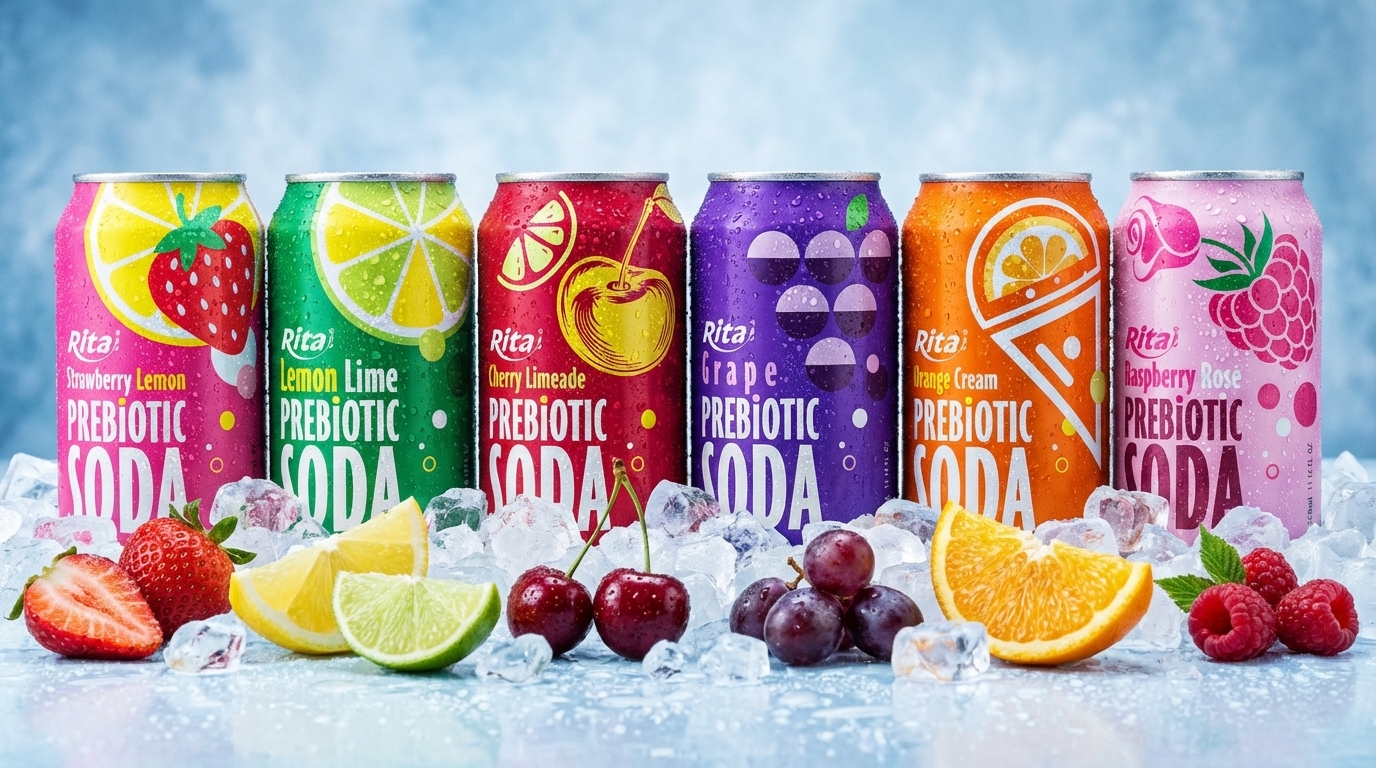
For importers and distributors looking to expand their portfolio, prebiotic sodas from Vietnam present a compelling opportunity. The combination of competitive pricing, high production capacity, and international certifications makes this product category accessible to markets worldwide. However, successful market entry requires a strategic approach.
Understanding Local Regulations
Each country has its own food import regulations, labeling requirements, and tax structures. Importers should work closely with manufacturers to ensure that the product complies with local laws. Certifications such as FDA for the U.S. market or HALAL for Middle Eastern countries are often mandatory. The Grape Flavor Prebiotic Soda 330ml Short Can already meets these standards, simplifying the import process.
Building a Distribution Network
Establishing strong relationships with local distributors, wholesalers, and retailers is key to gaining market traction. Offering free samples and free design services, as many Vietnamese manufacturers do, can help buyers test the product before committing to large orders. Additionally, leveraging digital marketing and e-commerce platforms can accelerate brand awareness and sales.
Future Trends and Innovations in Prebiotic Sodas
The prebiotic soda segment is still in its growth phase, with ample room for innovation. Manufacturers are experimenting with new flavors, sweeteners, and carbonation levels to cater to diverse palates. The grape flavor, for instance, is a classic choice that resonates globally, but future variants might include exotic fruits or herbal infusions.
Sustainability and Eco-Friendly Practices
As environmental concerns grow, beverage companies are focusing on sustainable sourcing and packaging. Aluminum cans are already a step in the right direction, but further efforts could include using recycled materials or reducing water usage in production. Importers who prioritize sustainability may find a competitive advantage in the marketplace.
Digital Transformation in Supply Chains
Technology is streamlining the supply chain, from order management to inventory tracking. For importers, working with manufacturers that use digital tools can improve efficiency and reduce lead times. The ability to track shipments in real time and communicate directly with production teams enhances transparency and trust.
Frequently Asked Questions
1. What is the typical shelf life of this grape prebiotic soda and how should it be stored?
The typical shelf life of this grape prebiotic soda is approximately 12 to 24 months from the production date when stored in a cool, dry place away from direct sunlight. Proper storage conditions help maintain its quality and carbonation.
2. Can I customize the flavor or packaging for private label orders?
Yes, the product is available for OEM and ODM partnerships. You can customize the formulation, including sweetness and carbonation levels, as well as the packaging design and branding. Free design services are often offered to support new buyers.
3. What is the minimum order quantity for importing this prebiotic soda?
The minimum order quantity is 200 cartons per order. This makes it accessible for both large distributors and smaller beverage business startups looking to test the market.
4. What certifications does this product hold for international export?
The product holds multiple certifications including ISO, HACCP, FDA, HALAL, USDA, and ORGANIC, ensuring compliance with food safety standards in various global markets.
5. How long does delivery take after placing an order?
Delivery typically takes 20 to 25 days after the order is confirmed. The product is shipped from Cat Lai Port in Ho Chi Minh City, Vietnam, and payment terms include L/C and T/T.