However, the way this classic beverage is packaged and distributed is evolving rapidly. The rise of single-serve, portable formats, particularly the sleek aluminum can, is creating new opportunities for importers, distributors, and F&B businesses. This article provides an in-depth analysis of the market dynamics surrounding orange juice in aluminum cans, focusing on the key factors that drive sourcing decisions, from shelf life and packaging to supply chain reliability.
Key Takeaways
- The demand for single-serve, portable orange juice in aluminum cans is growing in retail and Horeca sectors due to convenience and sustainability trends.
- Importers should prioritize suppliers offering flexible MOQ, robust certifications (ISO, HACCP, FDA), and a proven track record in large-scale production.
- A 24-month shelf life for canned juice provides significant advantages for global logistics and inventory management.
- Vietnam is emerging as a competitive sourcing hub for beverage exporters, offering cost-effective production and strong supply capacity.
The Shift Toward Canned Juice in the Global Beverage Market
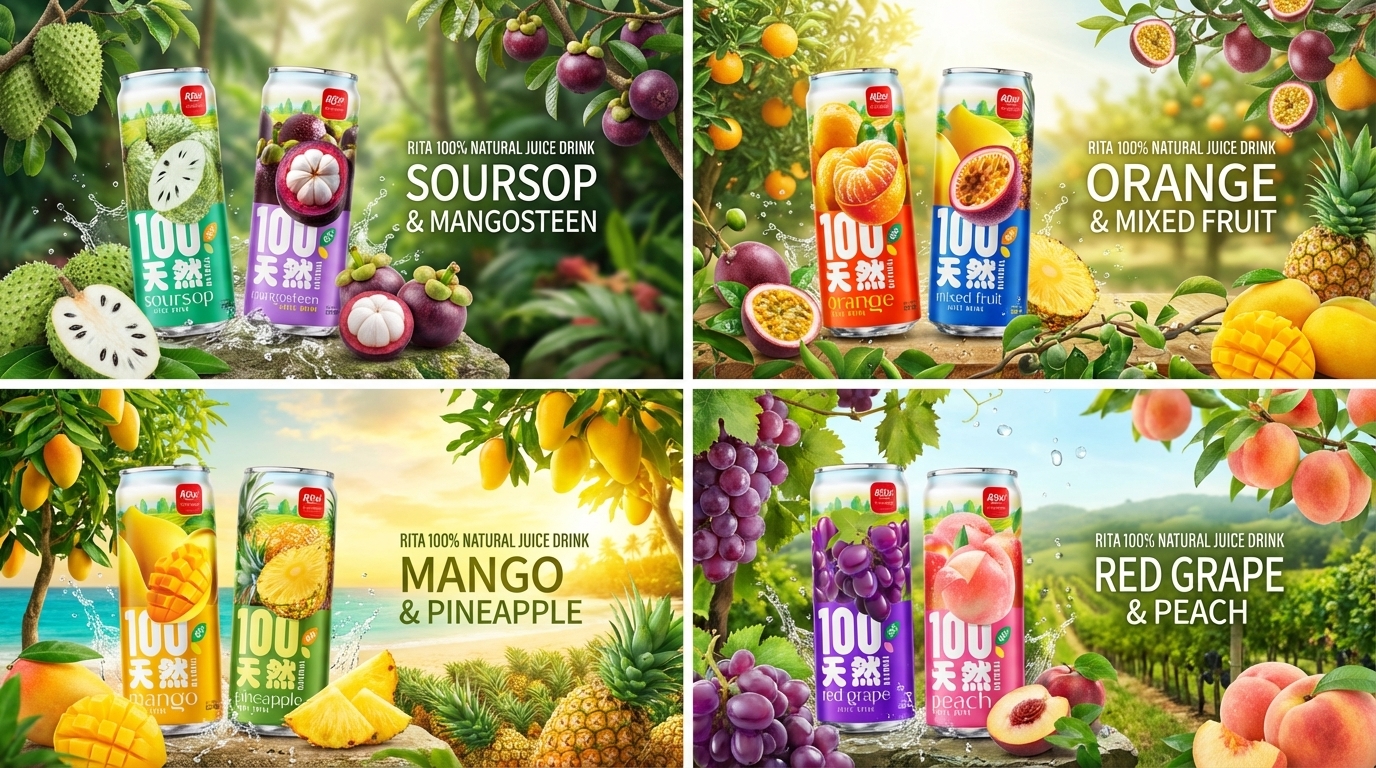
The beverage industry is witnessing a clear pivot toward packaging formats that align with modern consumer lifestyles. Canned beverages, once associated primarily with carbonated soft drinks, are now a preferred vessel for juices, teas, and functional drinks. This shift is particularly pronounced in the orange juice segment, where the traditional carton or glass bottle is increasingly being replaced by the lightweight, durable, and infinitely recyclable aluminum can.
Why Aluminum Cans Are Gaining Traction
Several factors contribute to the rising popularity of aluminum cans for juice products. First, the format offers superior protection against light and oxygen, which helps preserve the product's flavor and quality over an extended period. Second, the sleek can design is highly portable, fitting easily into lunchboxes, gym bags, and coolers. For retailers, cans are space-efficient and stackable, maximizing shelf presence. For distributors, the reduced weight compared to glass translates into lower shipping costs.
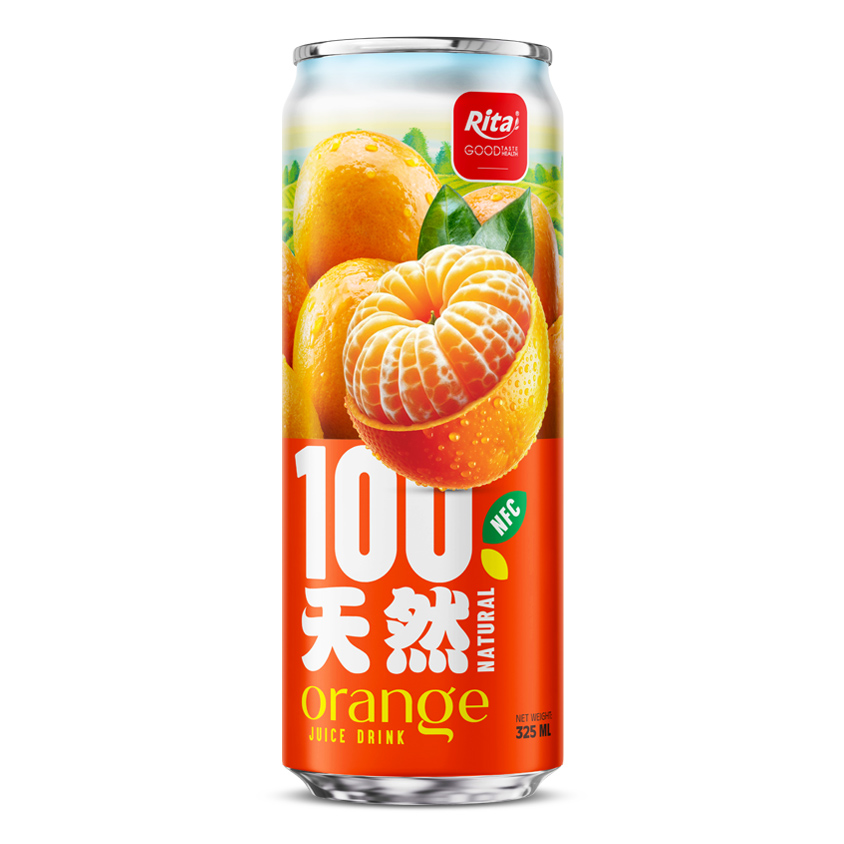
Many distributors are now sourcing orange juice in 325ml aluminum cans to cater to the growing on-the-go consumption trend. This specific volume, 325ml, sits in a sweet spot between a small snack-size serving and a full meal accompaniment, making it ideal for both individual consumption and food service applications.
Key Considerations for Importing Orange Juice in Aluminum Cans
For businesses looking to import orange juice in cans, understanding the product specifications and supplier capabilities is critical. The decision-making process involves evaluating factors such as shelf life, minimum order quantities, payment terms, and the reliability of the supply chain.
Shelf Life and Product Stability
One of the most attractive features of canned orange juice is its extended shelf life. A typical shelf life of 24 months from the production date offers immense logistical flexibility. This long shelf life allows importers to manage inventory more effectively, reducing the risk of spoilage and write-offs. It also opens up opportunities for shipment to distant markets via sea freight without the pressure of imminent expiration dates. This stability is a key advantage for wholesale distributors who need to stock products for months at a time.
Minimum Order Quantity (MOQ) and Supply Capacity
When entering a new market or launching a private label, the MOQ is a pivotal factor. A flexible MOQ, such as 200 cartons per order, allows smaller importers and startups to test the market without committing to massive volumes. On the other hand, a high supply ability—like 600 twenty-foot containers per month—ensures that as demand grows, the supplier can scale up production rapidly without compromising on lead times. This balance between low entry barriers and massive scalability is a hallmark of mature manufacturing partners.
Strategic Sourcing from Vietnam: A Competitive Edge
Vietnam has rapidly established itself as a major hub for beverage manufacturing and export. The country benefits from a favorable climate for fruit cultivation, a growing industrial base, and competitive labor costs. For importers seeking orange juice in cans, Vietnamese suppliers offer a compelling value proposition.
Production Capacity and Certifications
Leading manufacturers in Vietnam operate state-of-the-art facilities with over 20 modern production lines and factory sizes exceeding 30,000 square meters. This scale allows them to produce over 1,200 containers of beverages per month. Such capacity is supported by a workforce of 500+ employees, ensuring consistent quality and fast turnaround times. Crucially, these facilities hold international certifications such as ISO, HACCP, FDA, HALAL, and USDA Organic, which are non-negotiable for export to regulated markets like the US, Europe, and the Middle East.
For importers looking to explore the full range of fruit-based options, the fruit drink product catalog from a Vietnamese manufacturer provides a diverse selection of flavors and packaging formats.
OEM and Private Label Opportunities
The ability to customize products is a major driver for many F&B businesses. Vietnamese manufacturers are increasingly offering full-service OEM and ODM solutions. This means an importer can develop a unique brand, customize the flavor profile (sweetness, acidity, viscosity), and choose the packaging design. This flexibility is invaluable for building a distinct brand identity in a crowded market. The supplier acts as a strategic manufacturing partner, not just a vendor.
Market Applications: From Retail Shelves to Horeca Menus
The versatility of orange juice in 325ml sleek cans makes it suitable for a wide range of sales channels. Understanding these applications can help importers and distributors tailor their marketing and distribution strategies.
Retail and Convenience Stores
In the retail sector, the sleek can format is a standout. It appeals to impulse buyers looking for a quick, refreshing drink. It also fits perfectly in the cold beverage section of convenience stores, gas stations, and supermarkets. The long shelf life ensures that retailers can stock up without worrying about rapid turnover. For brands, the can surface provides a premium canvas for branding and marketing messages.
Horeca (Hotel, Restaurant, Café) Sector
The Horeca sector is a significant consumer of single-serve beverages. Hotels and resorts offer canned juices in minibars and at breakfast buffets. Restaurants and cafés use them as a quick, no-preparation beverage option that maintains consistent quality. The 325ml size is particularly well-suited for these environments, as it provides a satisfying portion without the waste associated with larger formats. For coffee shops, offering a premium canned orange juice as a non-coffee alternative can attract a wider customer base.
For businesses focused on the tea segment, the tea drink product catalog offers additional opportunities to diversify the beverage menu.
Export Logistics and Payment Considerations
Successful international trade in beverages requires careful attention to logistics and financial terms. Importers must be well-versed in the practicalities of moving goods from the factory to their warehouse.
Payment Terms and Pricing
Common payment terms in the beverage export industry include L/C (Letter of Credit) and T/T (Telegraphic Transfer). L/C is often preferred for large transactions as it provides security for both the buyer and the seller. T/T can be faster and simpler for smaller, repeat orders. Pricing is typically quoted on a FOB (Free on Board) basis, meaning the seller covers the cost of getting the goods to the port of departure. For shipments from Vietnam, the Cat Lai Port in Ho Chi Minh City is a major hub.
Delivery Time and Port Logistics
A reliable delivery time of 20–25 days after order is a strong indicator of an efficient production and logistics system. This allows importers to plan their inventory replenishment cycles accurately. Understanding the port of loading is also crucial for calculating total landed costs and selecting the most efficient shipping routes.
Conclusion: Seizing the Opportunity in Canned Juice
The global market for orange juice in aluminum cans is robust and expanding. Driven by consumer demand for convenience, portability, and perceived natural ingredients, this product category offers substantial opportunities for importers, distributors, and F&B operators. By partnering with a capable manufacturer that offers flexible terms, strong certifications, and large-scale production capacity, businesses can effectively enter this market and build a profitable product line. The key is to focus on quality, supply chain reliability, and a deep understanding of the end-consumer's needs.
Frequently Asked Questions
1. What is the typical shelf life of orange juice in an aluminum can?
The typical shelf life for canned orange juice is up to 24 months from the production date, provided it is stored in a cool, dry place away from direct sunlight. This long shelf life is a major advantage for global distribution.
2. Can I get a sample of the product before placing a large order?
Yes, many reputable suppliers offer free samples to potential buyers. This allows you to evaluate the taste, quality, and packaging before committing to a full order. It is standard practice to request samples during the initial negotiation phase.
3. What certifications should I look for when importing canned juice?
For international trade, key certifications include ISO, HACCP, and FDA for the US market. Depending on your target market, you may also need HALAL, KOSHER, USDA Organic, or BRC certifications. Always verify that the supplier holds valid, up-to-date certificates.
4. What is the typical minimum order quantity for imported canned juice?
Minimum order quantities vary by supplier. Many offer a starting MOQ of around 200 cartons per order, which is manageable for testing a new market. Larger suppliers can accommodate both small trial orders and massive, container-sized shipments.
5. How long does delivery usually take from order placement?
For established manufacturers with efficient production lines, the delivery time is typically 20 to 25 days after the order is confirmed and payment terms are settled. This timeline can vary based on order volume and current production schedules.