Key Takeaways
- The 320ml aluminum can format for bird’s nest aloe vera with pulp offers a premium shelf presence and extended shelf life, making it ideal for export.
- Beverage distributors are increasingly seeking OEM partnerships for bird’s nest aloe vera with pulp to differentiate their brand portfolios.
- Understanding MOQ, packaging options, and payment terms is critical for importers looking to source this product from Vietnam.
- The HORECA sector presents a growing application for single-serve aloe vera drinks, particularly in hotels and cafes.
Market Trends Driving the Aloe Vera Beverage Segment
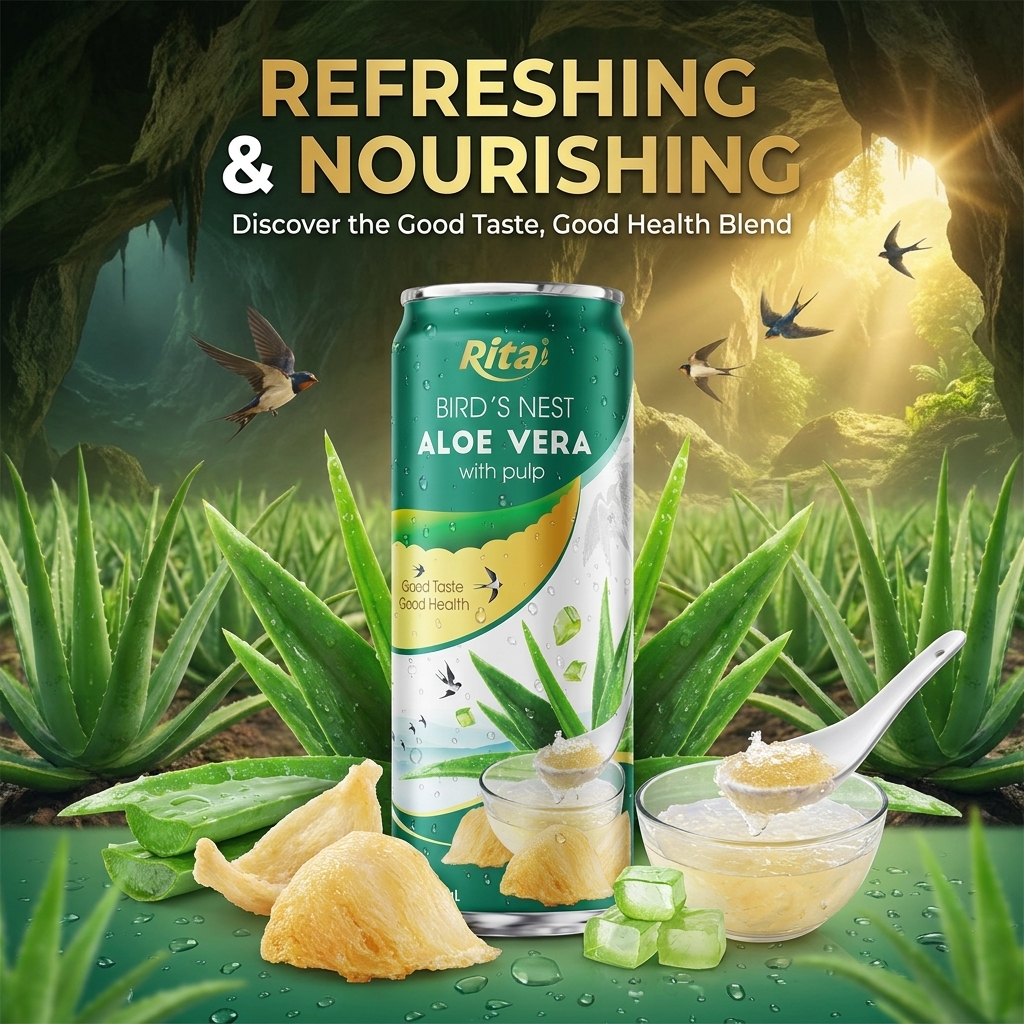
The functional beverage market is projected to grow at a compound annual growth rate (CAGR) of over 8% through 2030. Within this, aloe vera drinks have carved out a niche due to their natural positioning and unique texture. The inclusion of bird’s nest extract adds a layer of premiumization, targeting consumers who seek indulgent yet natural ingredients. This trend is particularly strong in East and Southeast Asian markets, where bird’s nest has long been associated with traditional wellness practices.
Consumer Demand for Texture and Natural Ingredients
Modern consumers are moving away from artificially flavored and colored beverages. They want drinks that look and feel natural. The pulp in this aloe vera drink provides visual and textural authenticity, signaling a less processed product. This aligns with the clean-label movement, where ingredient lists are short and recognizable. For importers, this means that bird’s nest aloe vera with pulp can be marketed as a premium, natural option without making health claims.
The Rise of Single-Serve Premium Cans
The 320ml aluminum can format is a strategic choice. It is larger than a standard 250ml can but still portable, making it suitable for on-the-go consumption. Aluminum cans offer superior protection against light and oxygen, ensuring a shelf life of 24 months. This is a critical factor for exporters shipping to distant markets like the US or Europe. The can also provides a large surface area for branding, which is beneficial for private label programs.
Export and Sourcing Strategy for Importers
Sourcing bird’s nest aloe vera with pulp from Vietnam offers several competitive advantages. Vietnam has become a major hub for beverage manufacturing, with factories like RITA boasting capacities of up to 1200 containers per month. The combination of competitive labor costs, modern production lines, and proximity to raw materials makes it an attractive sourcing destination. However, importers must navigate specific logistical and commercial parameters.
Minimum Order Quantity and Payment Terms
The standard MOQ for this product is 200 cartons per order, which is accessible for mid-sized distributors. Payment terms are typically L/C or T/T, which are standard for international trade. Importers should also consider the FOB price, which is quoted from Cat Lai Port in Ho Chi Minh City. The delivery time of 20–25 days after order is competitive, allowing for efficient inventory planning. For those new to importing, requesting a free sample is a prudent first step to evaluate product quality and pulp consistency.
Certifications and Compliance for Global Markets
To enter markets like the EU, US, or Middle East, certifications are non-negotiable. This product is available with ISO, HACCP, FDA, HALAL, USDA Organic, and other certifications. These accreditations ensure that the product meets international food safety standards, which is essential for building trust with retailers and consumers. Importers should verify that the specific certification required for their target market is included in the supply agreement.
Retail and Distribution Applications
The versatility of the 320ml aluminum can makes it suitable for multiple distribution channels. From convenience stores to premium supermarkets, the packaging format appeals to a broad demographic. Additionally, the product can be positioned as an upscale offering in the HORECA sector.
Convenience Store and Grocery Retail
In convenience stores, single-serve cans dominate. The 11.18 Fl Oz size is ideal for impulse purchases, especially when chilled. Retailers can display this product alongside other functional beverages like coconut water or kombucha. For grocery chains, the 24-month shelf life reduces the risk of spoilage, allowing for larger order quantities and fewer stock rotation issues. Distributors can leverage this reliability to negotiate better shelf placement.
HORECA: Hotels, Restaurants, and Cafes
The HORECA sector is an underutilized channel for aloe vera beverages. Hotels can offer this drink as a premium minibar item or as part of a welcome amenity. Restaurants and cafes can use it as a base for mocktails or serve it chilled as a standalone beverage. The aluminum can format is easy to store and serve, and the pulp content adds a visual appeal that enhances the dining experience. For businesses looking to diversify their beverage menu, sourcing aloe vera drink with pulp from a reliable OEM partner ensures consistent quality.
OEM and Private Label Opportunities
One of the most significant advantages for distributors is the ability to customize the product under their own brand. OEM services allow for adjustments in sweetness, viscosity, and packaging design. This flexibility enables importers to create a unique market position without investing in their own manufacturing facilities.
Custom Formulation and Packaging Design
RITA offers full-service OEM solutions, including custom formulation and packaging design. Importers can choose the level of pulp concentration or adjust the sweetness profile to suit local preferences. The packaging can be fully customized, from the can artwork to the shrink-wrap design. This is particularly valuable for companies targeting specific ethnic markets or premium retail chains. The free design service reduces upfront costs, making private labeling more accessible.
Supply Chain Reliability and Volume Flexibility
With a supply ability of 600 twenty-foot containers per month for this product line, RITA can handle both small test orders and large-scale shipments. The MOQ of 200 cartons is low enough for market testing but scalable for national launches. The 20–25 day lead time is consistent, allowing distributors to plan marketing campaigns and inventory levels with confidence. For companies exploring the energy drinks series or other categories, similar OEM terms apply.
Global Market Opportunities and Regional Insights
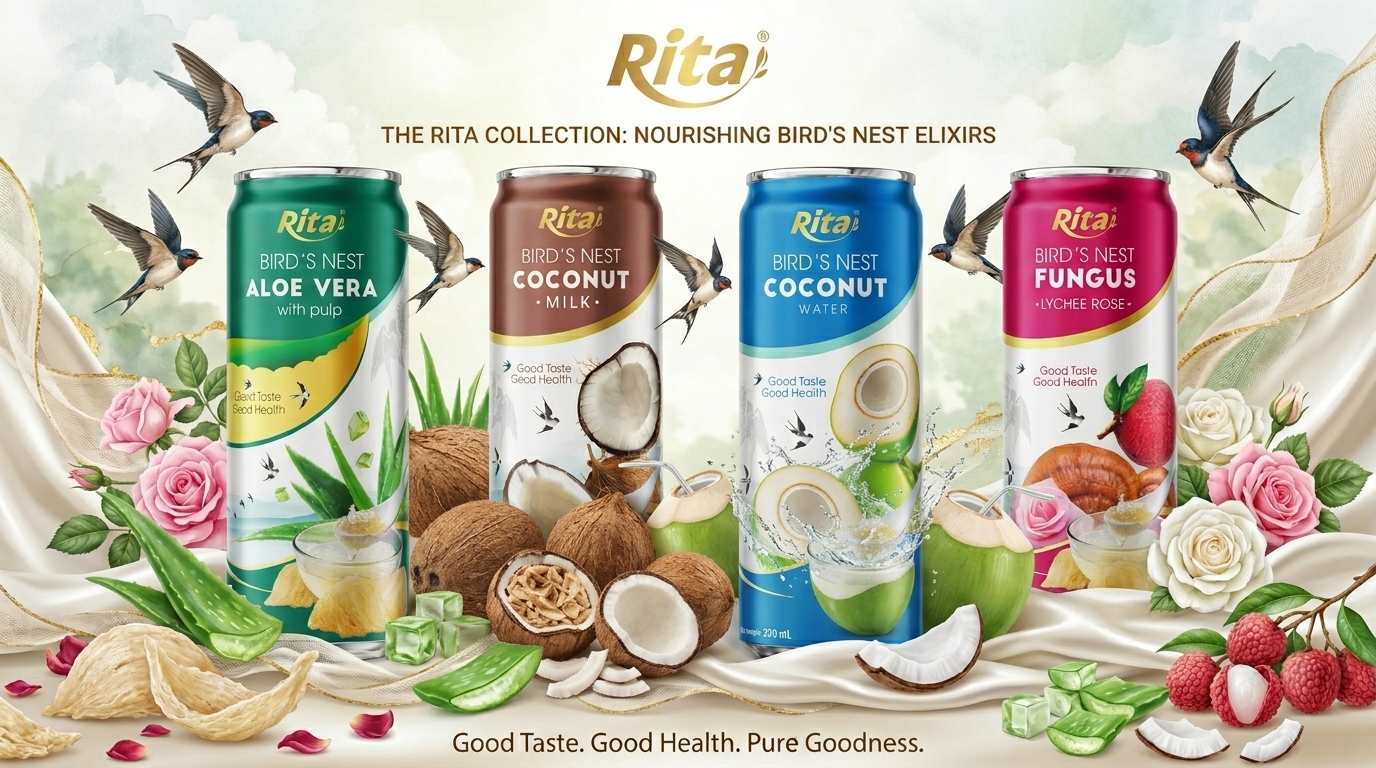
The demand for aloe vera beverages is not uniform across the globe. Understanding regional preferences is key to successful market entry. For example, the US market favors larger single-serve cans, while European consumers may prefer smaller formats for on-the-go consumption.
North America: Premiumization and Ethnic Retail
In North America, the aloe vera drink market is driven by Asian-American and Hispanic consumers, but it is also gaining traction among mainstream health-conscious buyers. The 320ml can is a popular size for convenience stores. Distributors can target ethnic grocery chains or mainstream retailers like Whole Foods. The USDA Organic certification is a significant advantage in this market.
Middle East and Southeast Asia: High Volume Potential
In the Middle East, aloe vera drinks are already popular, and the addition of bird’s nest extract can command a premium price. HALAL certification is mandatory, and the product meets this requirement. In Southeast Asia, the product is a familiar staple, but the aluminum can format offers a modern twist. Distributors in these regions can leverage the product's existing brand recognition while differentiating through packaging.
Frequently Asked Questions
1. What is the shelf life of the 320ml aloe vera can, and what are the storage requirements?
The product has a shelf life of 24 months from the production date when stored in a cool, dry place away from direct sunlight. The aluminum can packaging provides excellent protection against light and oxygen, ensuring product stability throughout its shelf life.
2. What are the minimum order quantity and payment terms for importing this product?
The minimum order quantity is 200 cartons per order. Payment terms are L/C (Letter of Credit) or T/T (Telegraphic Transfer), which are standard for international beverage trade. Importers should confirm the exact FOB price and payment schedule with the supplier.
3. Can I customize the packaging and formulation for my own brand?
Yes, OEM and ODM services are available. You can customize the formulation (sweetness, viscosity, pulp content) and the packaging design (can artwork, labeling). The supplier offers free design support and flexible MOQ to accommodate private label programs.
4. What certifications does this product have for international export?
The product is available with multiple certifications including ISO, HACCP, FDA, HALAL, USDA Organic, and others. Importers should specify which certifications are required for their target market to ensure compliance with local regulations.
5. How long does shipping take from Vietnam, and what is the typical delivery port?
The delivery time is 20–25 days after the order is confirmed. The product is shipped from Cat Lai Port in Ho Chi Minh City, Vietnam. The supplier has a supply ability of 600 twenty-foot containers per month for this product line, ensuring consistent availability.
For more beverage options, visit our chia and basil seed drink collection.