Key Takeaways
- The global demand for bird nest coconut water is growing, driven by consumer interest in natural and premium beverages.
- Importers should evaluate MOQ, shelf life, and packaging options when sourcing this product from Vietnam.
- Vietnam’s manufacturing capabilities, including large-scale production and flexible OEM services, make it a key sourcing destination.
- Understanding export logistics, such as FOB pricing and delivery timelines, is critical for successful market entry.
- The 11.18 Fl Oz PET bottle format offers convenience and portability for retail and Horeca channels.
The Rise of Bird Nest Coconut Water in Global Beverage Markets
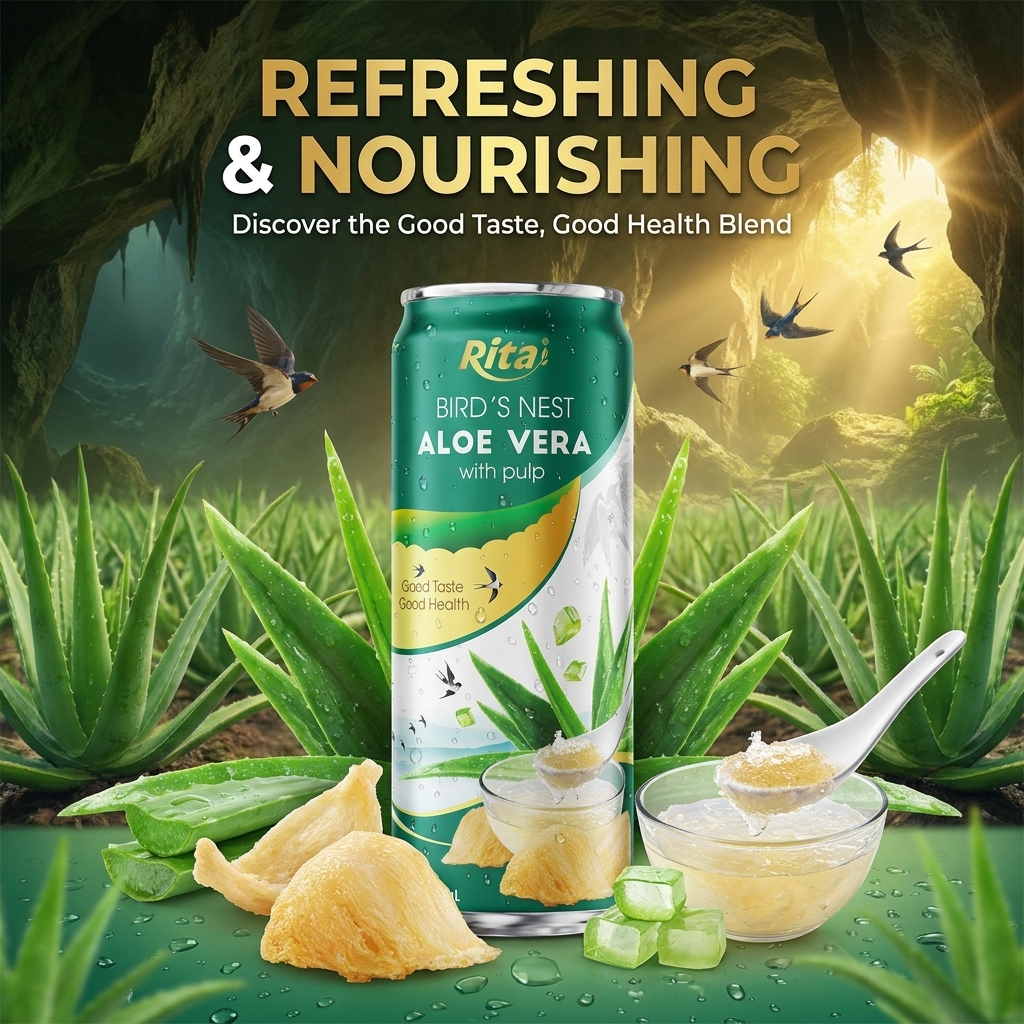
Bird nest coconut water represents a fusion of two high-value ingredients, creating a beverage that appeals to premium and natural product segments. This combination is gaining traction in markets across Asia, North America, and Europe, where consumers are actively seeking alternatives to sugary drinks and artificial additives. The product’s positioning as a natural hydration option aligns with broader trends toward clean-label and minimally processed foods.
Consumer Behavior Shifts Driving Demand
Modern consumers are more ingredient-conscious than ever before. They read labels, seek transparency, and prefer beverages that offer perceived value without artificial components. Bird nest coconut water fits this profile by leveraging the natural appeal of coconut water as a hydrating base and the premium association of bird’s nest. This dual ingredient strategy helps brands differentiate themselves in crowded retail shelves.
Regional Market Variations
In Southeast Asia, bird nest coconut water is already established in local markets, particularly in countries like Vietnam, Thailand, and Malaysia. However, opportunities are expanding in Western markets where Asian-inspired beverages are gaining popularity. For importers, understanding regional taste preferences—such as sweetness levels and flavor profiles—is essential when customizing formulations for local consumers.
Supply Chain and Sourcing Considerations for Importers
For businesses looking to source bird nest coconut water, Vietnam has emerged as a competitive manufacturing hub. The country offers a combination of raw material availability, production expertise, and cost efficiency. When evaluating suppliers, importers must consider factors such as minimum order quantities (MOQ), shelf life, packaging options, and certification compliance.
Minimum Order Quantity and Production Scalability
The typical MOQ for this product is 200 cartons per order, which is accessible for both small-scale distributors and larger importers. Suppliers with high production capacity—such as those capable of producing 300 twenty-foot containers per month—can accommodate growing demand without compromising lead times. This scalability is critical for businesses planning to expand their product lines or enter new markets.
Shelf Life and Storage Requirements
Bird nest coconut water typically has a shelf life of 12 to 24 months when stored in a cool, dry environment away from direct sunlight. This extended shelf life allows for efficient inventory management and reduces the risk of spoilage during international shipping. Importers should verify shelf life guarantees with their suppliers and ensure proper storage conditions throughout the supply chain.
Packaging Options and Customization
The 11.18 Fl Oz PET bottle is a popular format for its lightweight and shatterproof properties, making it ideal for retail and on-the-go consumption. However, suppliers also offer alternative packaging such as aluminum cans, glass bottles, and PP bottles in various sizes. For businesses seeking brand differentiation, OEM and ODM services allow for custom formulation, label design, and packaging modifications. Many suppliers provide free design support and samples to facilitate the customization process.
Export Logistics and Market Entry Strategies
Navigating international trade requires careful planning around logistics, payment terms, and regulatory compliance. Vietnam’s strategic location and well-developed port infrastructure—such as Cat Lai Port in Ho Chi Minh City—facilitate efficient export operations to global markets.
Payment Terms and Pricing Models
Common payment terms for bird nest coconut water exports include L/C (Letter of Credit) and T/T (Telegraphic Transfer). FOB pricing is typically quoted, allowing buyers to control shipping costs. Importers should discuss pricing structures early in negotiations to align with their budget and cash flow requirements.
Delivery Timelines and Supply Reliability
Standard delivery time for this product is 20 to 25 days after order confirmation. This relatively short lead time—combined with high supply ability—enables importers to maintain consistent inventory levels and respond quickly to market fluctuations. Reliable suppliers also offer flexibility in scheduling shipments to accommodate seasonal demand peaks.
Certifications and Quality Assurance
To access global markets, suppliers must comply with international quality and safety standards. Certifications such as ISO, HACCP, FDA, HALAL, USDA Organic, and others are essential for building trust with buyers and regulatory bodies. Importers should request documentation and audit reports to verify compliance before finalizing contracts.
Retail and Distribution Channels for Bird Nest Coconut Water
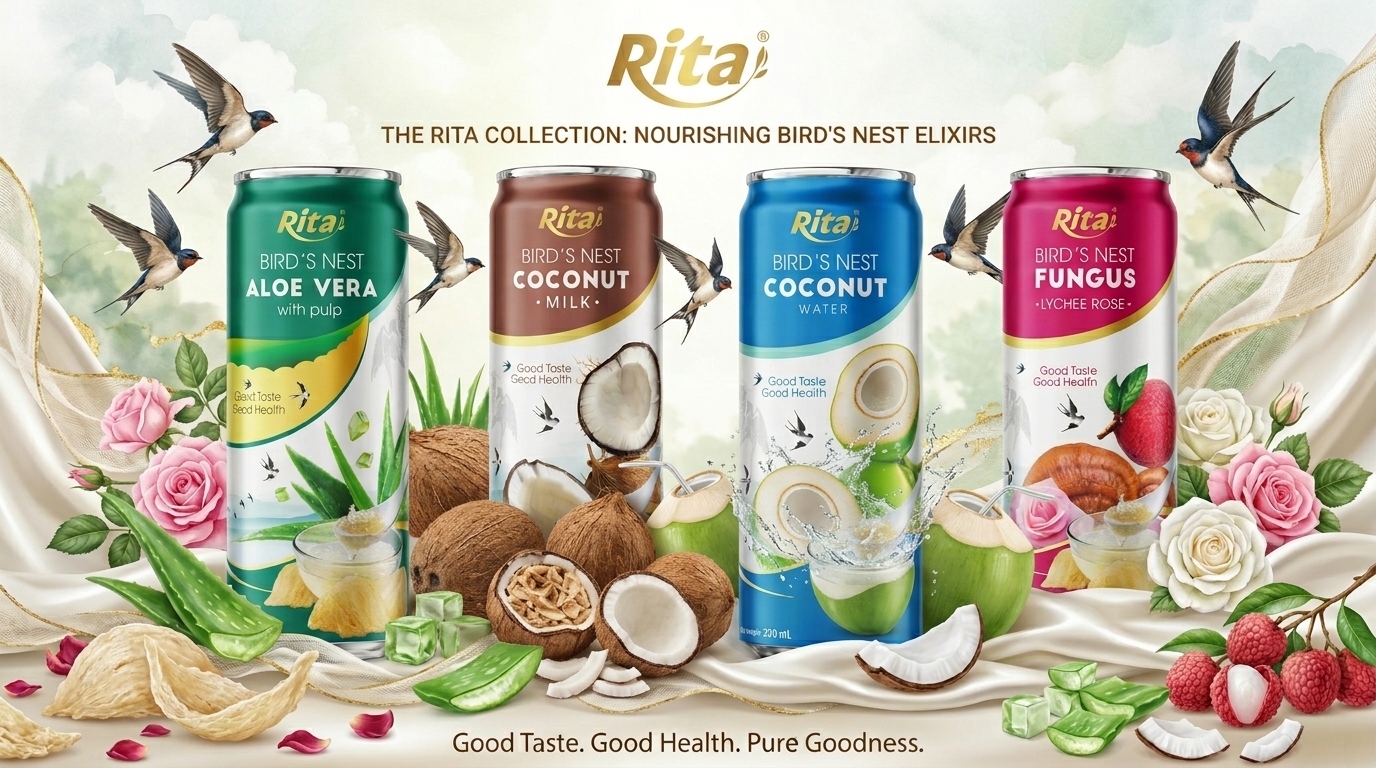
Successful market entry depends on selecting the right distribution channels. Bird nest coconut water can be positioned across multiple retail formats, from traditional grocery stores to specialty health food shops and online platforms.
Supermarkets and Hypermarkets
Large retail chains offer high visibility and volume potential. To secure shelf space, brands need to demonstrate strong packaging appeal, competitive pricing, and promotional support. The 11.18 Fl Oz PET bottle is well-suited for shelf displays due to its compact size and clear labeling.
Convenience Stores and Gas Stations
For impulse purchases, convenience stores require single-serve packaging that is easy to grab and go. The PET bottle format meets this need, and partnerships with distributors specializing in this channel can accelerate market penetration.
Online Retail and E-commerce
The rise of e-commerce has opened new avenues for beverage sales. Platforms like Amazon, Alibaba, and regional players offer direct-to-consumer opportunities. Importers should consider subscription models, bundle deals, and targeted digital marketing to drive online sales.
Horeca Applications: Hotels, Restaurants, and Cafes
The Horeca sector presents significant opportunities for bird nest coconut water, particularly in upscale establishments seeking premium beverage options.
Hotel and Resort Partnerships
Hotels and resorts can incorporate bird nest coconut water into their minibar offerings, breakfast buffets, and wellness packages. The product’s natural origin and premium image align with the hospitality industry’s focus on guest experience and quality.
Restaurant and Cafe Menus
Restaurants and cafes can use bird nest coconut water as a base for signature mocktails, smoothies, or as a standalone beverage. Its versatility allows chefs to create innovative drinks that appeal to trend-conscious diners.
Opportunities for Private Label and OEM Partnerships
For businesses looking to build their own brand, private label and OEM services offer a cost-effective path to market. Suppliers like RITA provide end-to-end support, from formulation development to packaging design.
Custom Formulation and Branding
Importers can work with manufacturers to adjust sweetness, viscosity, and flavor profiles to suit local preferences. Branding support includes label design, logo integration, and packaging customization. Many suppliers offer free design services to facilitate the process.
Flexible MOQ and Scalable Production
Low MOQ options allow startups and small businesses to test the market without significant upfront investment. As demand grows, suppliers can scale production quickly, ensuring consistent supply for expanding distribution networks.
Conclusion: Strategic Sourcing for Global Market Success
The bird nest coconut water category offers compelling opportunities for importers and distributors willing to invest in quality sourcing and market development. By partnering with reliable manufacturers in Vietnam, businesses can access competitive pricing, flexible customization, and robust export capabilities. Whether targeting retail, Horeca, or e-commerce channels, the key to success lies in understanding consumer preferences, optimizing supply chain logistics, and leveraging the product’s natural premium positioning.
As the global demand for natural and premium beverages continues to rise, bird nest coconut water stands out as a versatile and market-ready product. For those ready to explore this category, many distributors are now sourcing bird's nest coconut water in PET bottles directly from Vietnam. Additionally, importers looking for premium coconut water with bird’s nest can find customization options through OEM partnerships. For a broader range of beverages, check out the energy drink series and milk product series to complement your product portfolio.
Frequently Asked Questions
1. What is the typical shelf life of bird nest coconut water?
The typical shelf life ranges from 12 to 24 months when stored in a cool, dry place away from direct sunlight. Always verify the specific shelf life with your supplier, as it may vary based on formulation and packaging.
2. Can I customize the packaging for my brand?
Yes, most suppliers offer OEM and ODM services that include custom label design, bottle shape, and packaging materials. Many also provide free design support and samples to help you create a unique brand identity.
3. What is the minimum order quantity for this product?
The standard minimum order quantity is 200 cartons per order. However, some suppliers may offer flexibility for trial orders or new partnerships. It is best to discuss your requirements directly with the manufacturer.
4. Which certifications should I look for when sourcing from Vietnam?
Key certifications include ISO, HACCP, FDA, HALAL, and USDA Organic. These ensure compliance with international food safety and quality standards, making it easier to import and distribute in your target market.
5. How long does delivery take after placing an order?
Standard delivery time is 20 to 25 days after order confirmation. This timeline may vary depending on the order volume, customization requirements, and shipping port. Always confirm the delivery schedule with your supplier.