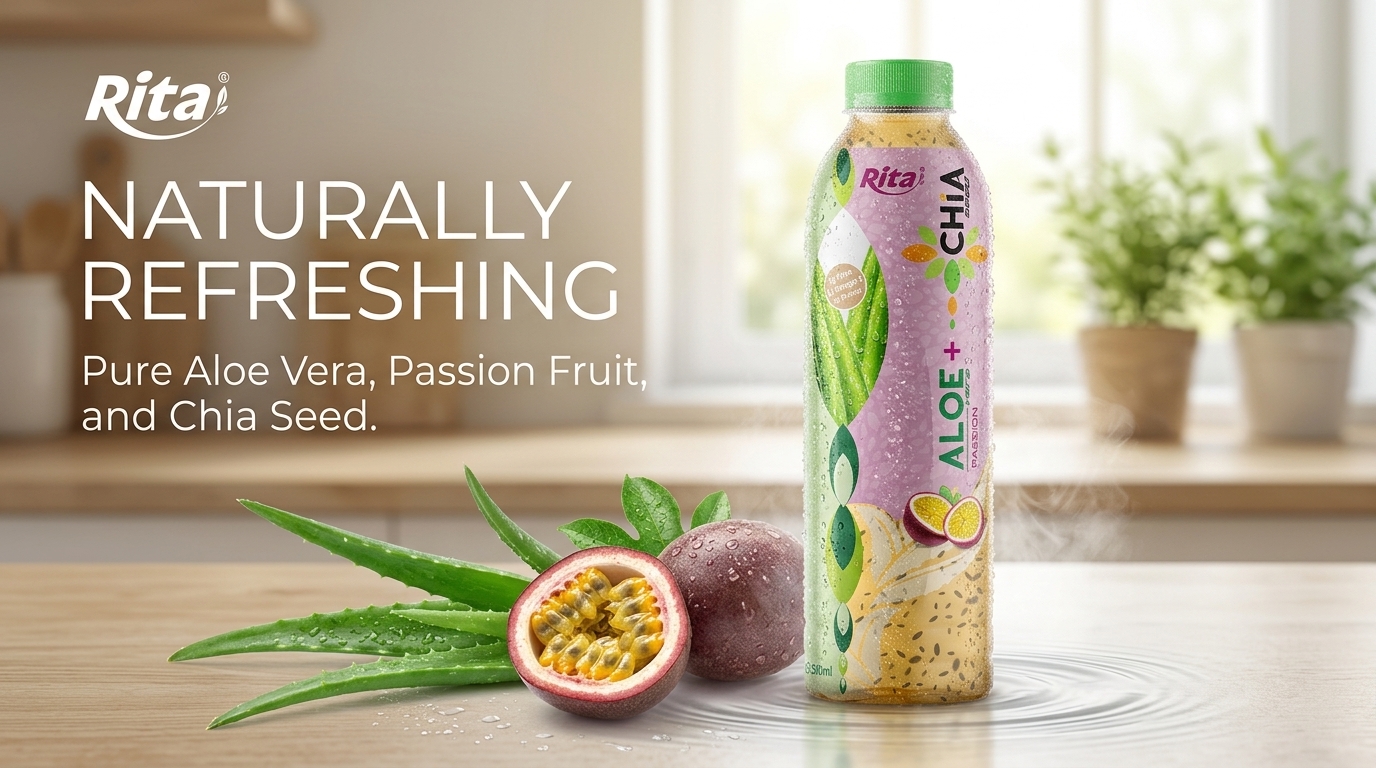
The global beverage industry is undergoing a significant transformation, driven by evolving consumer preferences and a demand for novel textures and flavor experiences. Among the most dynamic segments is the rise of plant-based and seed-infused drinks, which have moved from niche health food stores to mainstream retail shelves. A prime example of this trend is the aloe vera drink with chia seed passion fruit flavor, a product category that is capturing the attention of importers, distributors, and F&B businesses worldwide. This article explores the market dynamics, supply chain considerations, and business opportunities surrounding this innovative beverage, using the passion fruit aloe vera drink as a case study for modern beverage sourcing.
Key Takeaways
- The global market for seed-infused and plant-based beverages is expanding rapidly, with aloe vera and chia seed combinations leading innovation.
- Supply chain efficiency, including MOQ, lead time, and packaging flexibility, is critical for importers targeting the aloe vera drink with chia seed passion fruit flavor segment.
- Vietnam has emerged as a key manufacturing hub for these beverages, offering competitive pricing and large-scale production capacity.
- OEM and ODM partnerships allow businesses to customize the aloe vera chia seed beverage to meet local taste preferences and regulatory standards.
- Packaging innovations, particularly PET bottles, are driving adoption in both retail and Horeca channels.
Why Aloe Vera and Chia Seed Drinks Are Gaining Global Traction
Consumer behavior in the beverage sector is increasingly driven by a desire for functional ingredients that offer sensory appeal. The combination of aloe vera gel pieces and chia seeds creates a unique mouthfeel—a textural experience that sets these drinks apart from traditional juices or soft drinks. This textural innovation is a key selling point for distributors looking to differentiate their product portfolios.
Market Size and Growth Projections
According to industry reports, the global aloe vera beverage market is projected to grow at a compound annual growth rate (CAGR) of over 7% through 2030. The addition of chia seeds, which are rich in fiber and protein, further enhances consumer appeal. This growth is not limited to Asia; North America and Europe are seeing increased import volumes of these beverages, driven by multicultural consumer bases and the expansion of specialized retail chains.
Consumer Demographics and Preferences
The primary consumers of aloe vera and chia seed drinks are millennials and Gen Z, who actively seek out products with natural ingredients and transparent sourcing. For importers, understanding these demographics is crucial for positioning the aloe vera chia seed drink in the right retail channels—from premium grocery stores to convenience stores in urban centers.
Supply Chain and Sourcing: Key Considerations for Importers
Sourcing a successful beverage product requires careful evaluation of the entire supply chain, from raw material procurement to final delivery. The 16.9 Fl Oz (500 ml) PET bottle format has become a standard for this category, balancing portability with volume. Key factors for importers include minimum order quantities (MOQ), lead times, and packaging options.
Minimum Order Quantities and Lead Times
For the aloe vera drink with chia seed passion fruit flavor, the typical MOQ is around 200 cartons per order, which is manageable for both established distributors and new entrants testing the market. Lead times of 20–25 days after order placement are standard for large-scale manufacturers, allowing for efficient inventory planning. This predictability is essential for wholesalers managing seasonal demand fluctuations.
Packaging Flexibility and Shelf Life
PET bottles are the preferred packaging for this beverage due to their lightweight nature, shatter resistance, and recyclability. The shelf life of aloe vera drinks with chia seeds typically ranges from 12 to 24 months when stored in a cool, dry environment. This extended shelf life reduces the risk of spoilage during long-distance shipping, making it an attractive option for exporters targeting distant markets like Europe or North America.
Vietnam’s Role in the Global Beverage Supply Chain
Vietnam has established itself as a major production hub for tropical and plant-based beverages, thanks to its abundant raw materials, skilled workforce, and competitive manufacturing costs. Manufacturers like RITA, with over 20 modern production lines and a factory size of approximately 30,000 m², are capable of producing up to 1,200 containers per month. This scale allows them to meet the growing global demand for aloe vera beverages efficiently.
Certifications and Compliance
International certifications are a prerequisite for market entry in many regions. Vietnamese manufacturers typically hold ISO, HACCP, FDA, HALAL, and USDA Organic certifications, ensuring compliance with stringent food safety standards. For importers, working with a certified supplier reduces the risk of customs delays and regulatory rejections. The availability of free samples and free design services further lowers the barriers to entry for new business partnerships.
OEM and ODM Opportunities
For businesses looking to launch their own brand of aloe vera and chia seed drinks, OEM and ODM services are widely available. Manufacturers offer custom formulation adjustments—such as sweetness levels, viscosity, and flavor intensity—as well as packaging design support. This flexibility allows distributors to tailor the product to local tastes, whether that means reducing sugar content for the European market or adding extra pulp for the Asian market.
Retail and Distribution Strategies for Seed-Infused Beverages
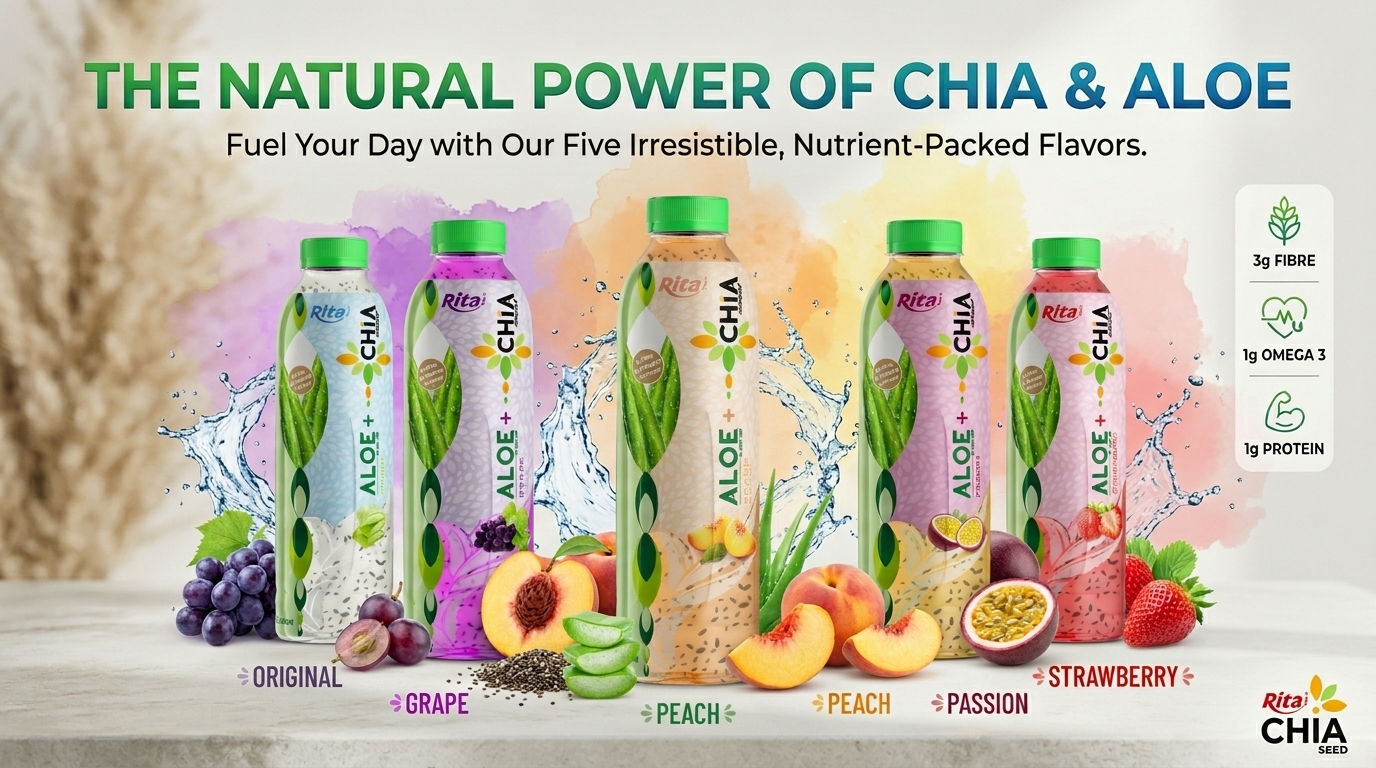
Successfully bringing a new beverage to market requires a strategic approach to retail and distribution. The aloe vera drink with chia seed passion fruit flavor is well-suited for multiple channels, including supermarkets, convenience stores, and online platforms.
Retail Shelf Placement and Visibility
In retail environments, these drinks often compete in the chilled juice or functional beverage section. Clear packaging that showcases the visible chia seeds and aloe vera pieces is a powerful marketing tool. Distributors should consider point-of-sale displays that highlight the product's unique texture and tropical flavor profile.
Horeca Applications (Hotel, Restaurant, Cafe)
The Horeca sector presents a significant growth opportunity. Aloe vera drinks with chia seeds can be used as a base for mocktails, smoothies, or served as a premium non-alcoholic beverage in hotels and resorts. For restaurant chains, offering a unique beverage option can differentiate the menu and attract health-conscious diners. Bulk packaging options, such as 1-liter PET bottles, are available for Horeca clients.
Export Opportunities and Market Entry Strategies
For exporters based in Vietnam, the Cat Lai Port in Ho Chi Minh City serves as a major gateway for shipments to global markets. With supply capabilities of up to 300 twenty-foot containers per month, manufacturers can support large-scale export volumes.
Target Markets for Expansion
Key export destinations include the United States, Canada, Australia, and the European Union. In these markets, the demand for tropical fruit beverages with added texture is rising, driven by multicultural populations and the growing popularity of Asian cuisine. Importers should focus on regions with established Asian grocery networks, such as California, Texas, and Ontario.
Customs and Regulatory Considerations
Each target market has its own labeling and ingredient requirements. For example, the US FDA requires that the product label list chia seeds as an ingredient and may require a warning about choking hazards for young children. Working with a manufacturer that provides comprehensive documentation—including ingredient lists, nutritional facts, and COA (Certificate of Analysis)—simplifies the import process.
Frequently Asked Questions
1. What is the shelf life of a typical aloe vera drink with chia seeds, and how should it be stored?
The shelf life is generally 12 to 24 months from the production date when stored in a cool, dry place away from direct sunlight. Refrigeration after opening is recommended to maintain freshness.
2. Can I customize the flavor or sweetness level for my private label order?
Yes, most manufacturers offer OEM and ODM services, allowing you to adjust the formulation, including sweetness, viscosity, and flavor intensity, to meet your market's preferences.
3. What is the typical minimum order quantity for this product?
The standard MOQ is 200 cartons per order, although some manufacturers may offer flexibility for trial orders. It is best to confirm with the supplier directly.
4. Are there any certifications required for importing this beverage into the US or EU?
Yes, common certifications include FDA registration for the US and organic certifications (USDA or EU Organic) if applicable. Many Vietnamese manufacturers hold these certifications, simplifying the import process.
5. What packaging options are available for Horeca clients?
In addition to the standard 500 ml PET bottle, larger formats such as 1-liter and 1.5-liter PET bottles are available for bulk use in restaurants, hotels, and cafes.